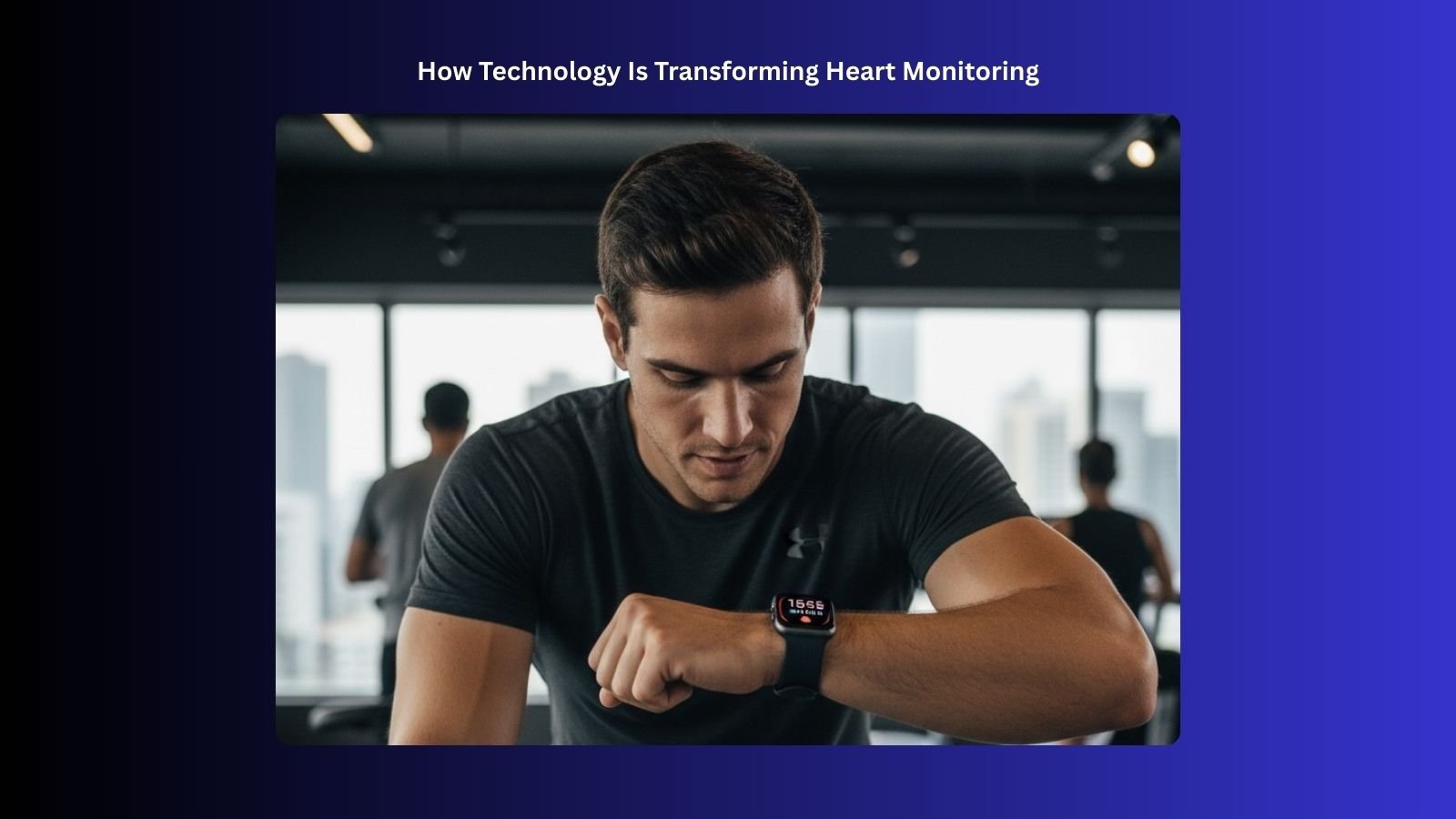

Technology is reshaping the way we understand and track heart health, making advanced monitoring more accessible, more accurate, and far more patient-friendly than ever before. What once required a clinic visit and bulky equipment can now happen on a...
Read More ›Ever wondered how to keep the right rhythm during CPR (cardiopulmonary resuscitation)? Music might be the secret. The right song can help you stay calm, focused, and on beat while giving chest compressions. Studies show that certain tunes match the p...
Read More ›CPR (cardiopulmonary resuscitation) can make the difference between life and death in an emergency, and knowing how to do it correctly is more important than ever. The American Heart Association, or AHA, sets the standard for how CPR should be perfor...
Read More ›Going to high-altitude areas like snowy mountains, green hills, or remote trails can be exciting, but it also comes with unique risks. Accidents or sudden health emergencies can happen far from help, and sometimes there is little to no phone signal. ...
Read More ›Hot water burns or scalds can happen in an instant, whether it’s from spilling a cup of coffee, touching hot tap water, or cooking in the kitchen. The study done by Journalists Resource has shown that around 486,000 people in the U.S. experience sc...
Read More ›Heart medications play a big role in helping people manage different heart conditions and live healthier lives. These medicines work in various ways, such as lowering blood pressure, improving blood flow, or keeping your heartbeat steady. Doctors oft...
Read More ›