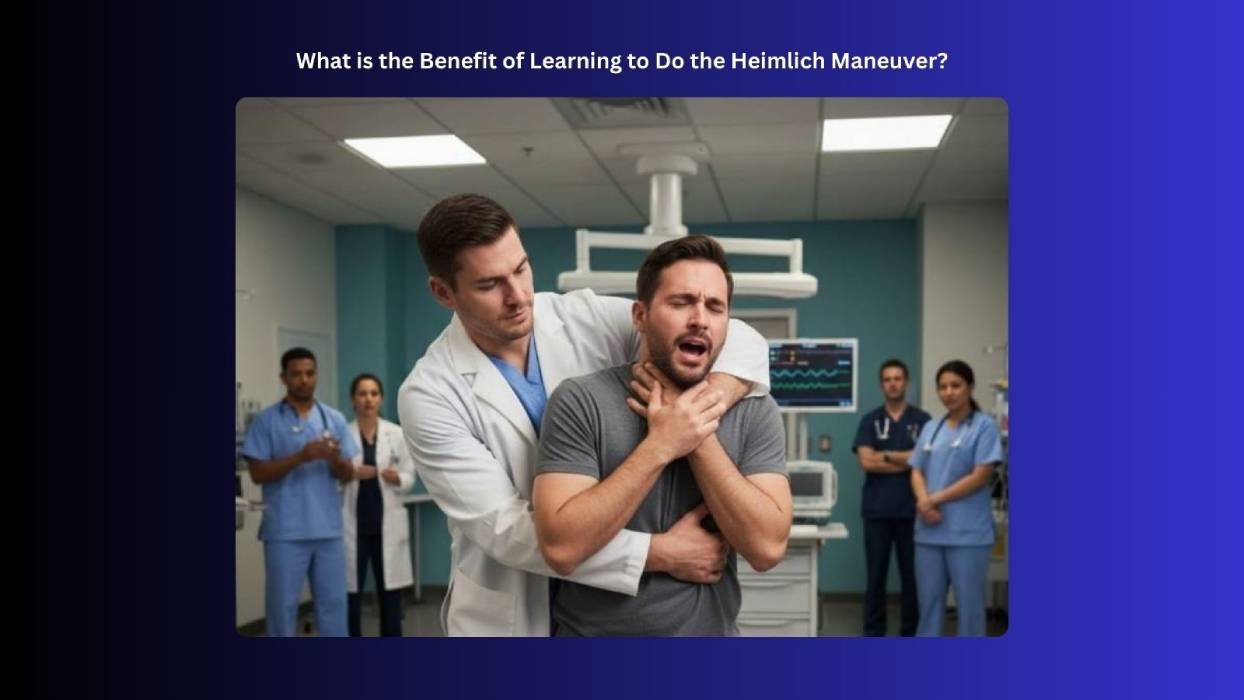

The benefit of learning the Heimlich maneuver is that it equips you with a simple, effective way to save a life during a choking emergency. Choking can happen suddenly while eating, and knowing how to respond gives you the confidence to act quickly. ...
Read More ›Helping someone in an emergency can be stressful, but moving them safely protects both them and you. Before you act, it’s important to understand your legal responsibilities in these situations. Using the right techniques can prevent a small injury...
Read More ›Wondering how much time you need to learn CPR? Whether you’re a healthcare professional, a parent, or just someone who wants to be prepared in an emergency, knowing how long a CPR or Cardiopulmonary Resuscitation class takes and how long your AHA p...
Read More ›Choking is a serious safety concern that can happen in an instant, often when least expected, like during a family meal or snack time. While it may seem minor at first, a blocked airway can quickly become life-threatening, which is why understanding ...
Read More ›Yes, even if you have an ACLS provider card, you still need BLS. ACLS builds on BLS skills but does not replace them. High-quality CPR, early defibrillation, and basic airway management are foundational lifesaving skills taught in BLS that every heal...
Read More ›Patient ventilation is the process of moving air in and out of the lungs to maintain adequate oxygen delivery and carbon dioxide removal. Proper ventilation is a critical component of patient care, especially in emergencies, during surgery, or whenev...
Read More ›