
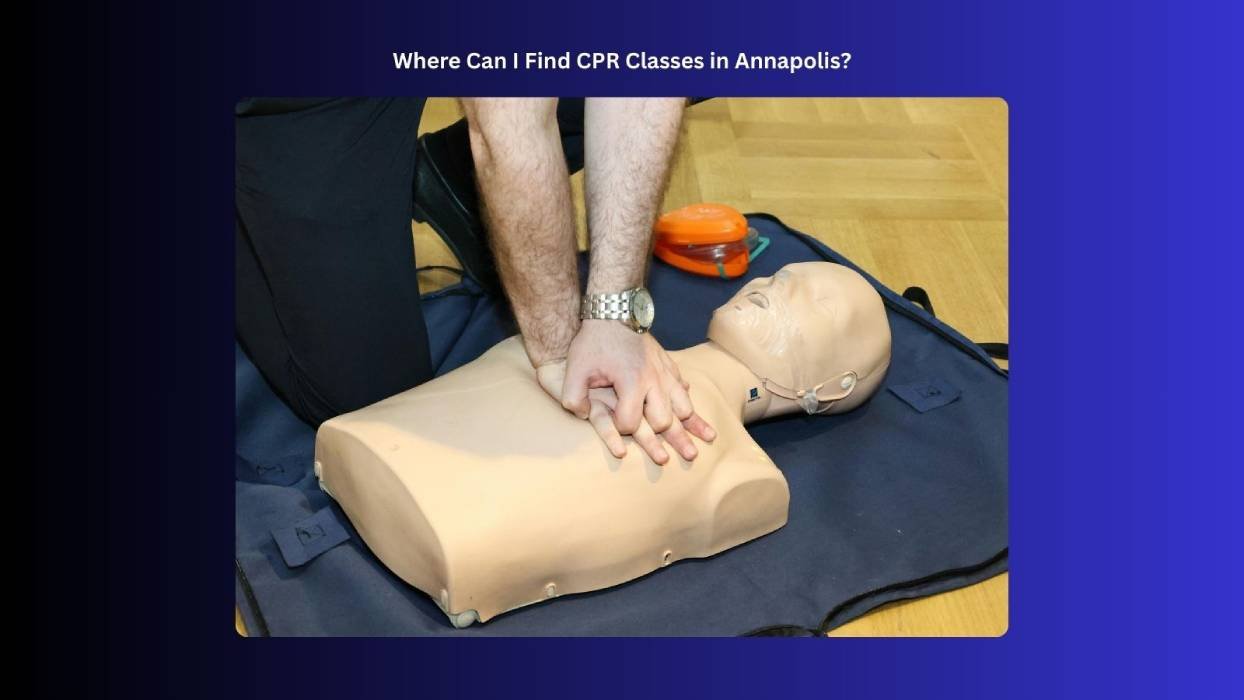
Looking for CPR classes in Annapolis? You have plenty of options to get trained and stay prepared for emergencies. Local programs offer flexible courses to fit different schedules and learning styles, from hands-on, in-person sessions to shorter, focused classes. Whether you need CPR training for work, school, or personal confidence, Annapolis courses can help you act quickly and confidently.
At Bayside CPR in Annapolis, we provide expert CPR and First Aid training, along with advanced courses like BLS, ACLS, and PALS. Our hands-on classes use realistic equipment and step-by-step guidance, so students leave ready to respond in real emergencies. Guided by our values of confidence, integrity, care, education, and community, we ensure every student gains skills that matter most when it comes to saving lives.
How to Find the Right CPR Class Provider in Annapolis?
Not all CPR providers deliver the same quality, convenience, or credibility. When looking to complete AHA CPR training in Annapolis, focus on key factors such as:
- Identify Your Needs: Choose the type of course, ACLS, BLS, PALS, CPR & First Aid.
- Check AHA Provider Card: Ensure the provider is recognized by the American Heart Association (AHA).
- Consider Class Format: Decide between in-person, blended/hybrid, or online with a hands-on skills session.
- Read Reviews & Get Recommendations: Learn about quality and overall class experience.
- Compare Costs and Logistics: Look at class size, schedule flexibility, and support offered.
- Ensure Up-To-Date Training: Confirm the provider follows the latest CPR guidelines.
This approach helps you select a reputable provider and gain the skills and confidence to respond effectively in an emergency.
Types of CPR Classes Available in Annapolis
Before enrolling in a CPR class in Annapolis, it is important to understand the different course options so you can select the right one for your goals. While CPR training may seem like a single course, there are multiple types developed for specific roles and situations.
1. Adult CPR Training
Adult CPR classes focus on recognizing the signs of cardiac arrest and responding quickly and effectively. Participants learn hands-only CPR, proper chest compression techniques, and how to safely use an AED. These classes are ideal for workplace safety, community members, and anyone who wants to be prepared to help an adult in an emergency.
2. Child and Infant CPR Classes
Child and infant CPR courses teach pediatric-specific techniques created for smaller bodies and developing airways. Training includes CPR for infants and children, choking relief, and breathing emergencies. These classes are especially beneficial for parents, babysitters, nannies, teachers, and daycare staff who care for young children. But you might be wondering, how is a child defined in terms of CPR/AED care?
3. BLS for Healthcare Providers
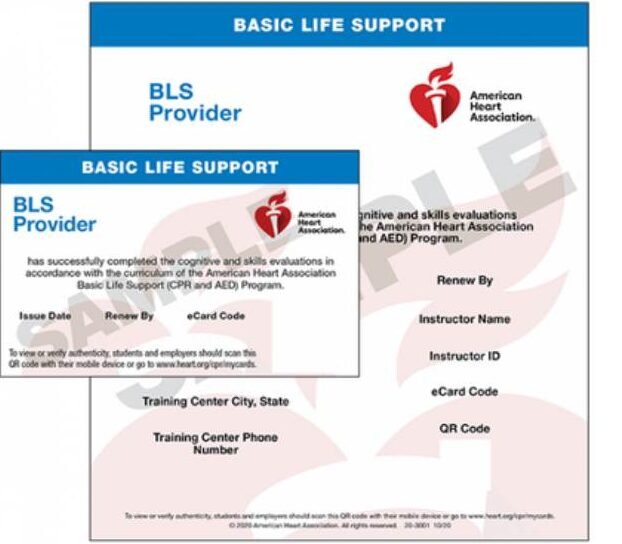
Basic Life Support (BLS) classes are built for healthcare professionals and first responders. This training covers team-based CPR, bag-mask ventilation, and high-quality CPR metrics such as compression depth, rate, and recoil. BLS courses follow an American Heart Association (AHA) compliant curriculum and are required for many clinical and medical roles.
4. Advanced Cardiovascular Life Support
ACLS courses are prepared for healthcare professionals such as doctors, nurses, and paramedics who respond to cardiac emergencies. Training goes beyond basic CPR, covering advanced airway management, drug administration, and recognizing and treating life-threatening cardiac rhythms. ACLS emphasizes team-based response and decision-making, making it essential for clinical settings where critical interventions are required.
5. Pediatric Advanced Life Support (PALS)
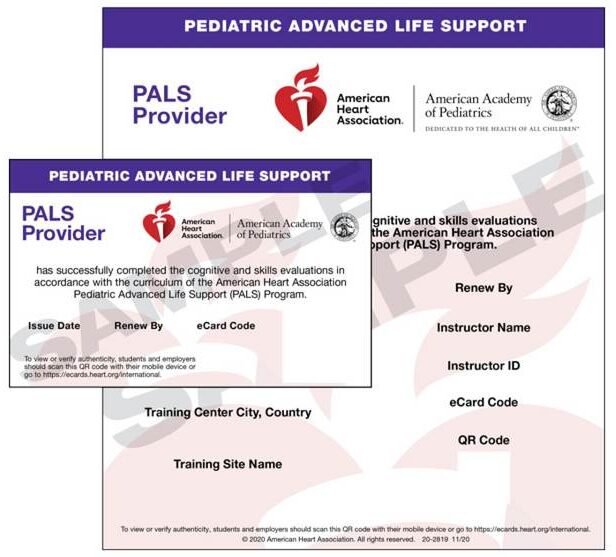
PALS is developed for healthcare providers who care for critically ill or injured infants and children. The course focuses on pediatric-specific emergencies, including respiratory failure, shock, and cardiac arrest. Participants learn advanced assessment, intervention techniques, and effective teamwork strategies to stabilize young patients in high-stress situations. PALS is vital for pediatricians, nurses, and emergency responders working with children.
6. CPR & First Aid Combination Courses
CPR and First Aid combination classes provide comprehensive emergency training beyond CPR alone. In addition to CPR and AED use, participants learn bleeding control, shock management, and how to respond to burns, fractures, and common medical emergencies, highlighting the crucial role of CPR and First Aid in emergencies. These courses are ideal for workplaces, schools, coaches, and individuals seeking well-rounded emergency preparedness.
In-Person vs. Blended CPR Courses
You’ll need to decide whether to take a traditional in-person CPR class or a blended course.
1. In-Person Training (Traditional)
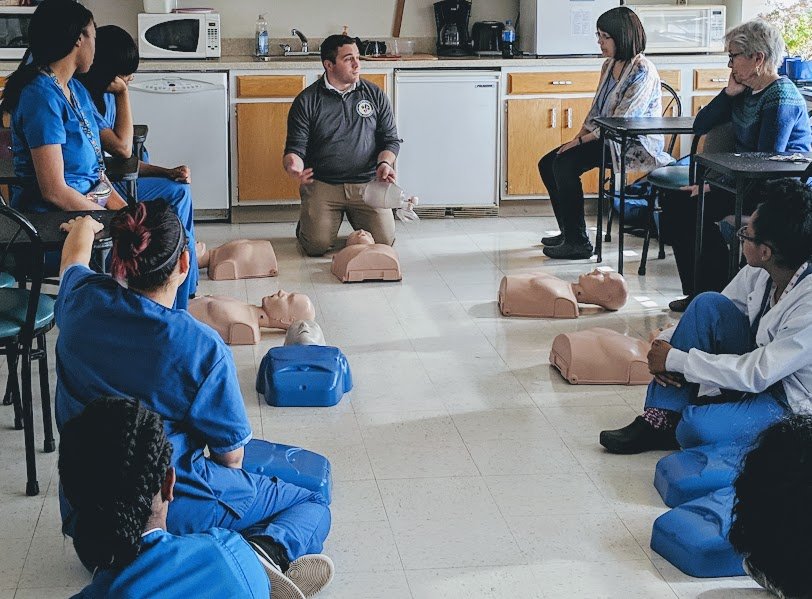
This option is perfect for learners who thrive on hands-on experience. You’ll get live guidance and immediate feedback from an instructor, completing the entire class, including your skills test, right on-site.
2. Blended Learning (Hybrid)
Blended CPR classes let you complete the coursework online at your own pace and then attend a quick skill session. This format is especially popular with busy professionals, parents, and students because it’s flexible and convenient, without compromising the quality of training.
CPR Classes for Different Audiences in Annapolis
Not all CPR classes are the same, and in Annapolis, you’ll find courses created to meet the needs of different audiences. Choosing the right class ensures you get the training relevant to your situation.
1. Healthcare Professionals
- Nurses, doctors, EMTs, and other medical staff often require Advanced CPR and ACLS (Advanced Cardiovascular Life Support) training.
- We offer hospital-grade courses at our Annapolis training centers that issue an official AHA provider card accepted nationwide.
2. Workplace and Corporate Groups
- Offices, childcare centers, and community organizations often schedule group CPR sessions.
- These classes focus on basic life support for adults, children, and infants, meeting OSHA and workplace safety requirements.
3. Parents and Caregivers
- Parents, babysitters, and guardians can take family- or infant-focused CPR classes.
- Local Annapolis instructors emphasize child safety and emergency response at home.
4. Students and Community Members
- Many Annapolis community centers and colleges offer public CPR workshops.
- These sessions are often short, affordable, and beginner-friendly, ideal for anyone who wants basic emergency skills.
Many of these careers require CPR and First Aid provider card, but anyone who wants to be prepared to save a life can benefit from taking a CPR class. When searching for a CPR class in Annapolis, make sure the course matches your role and training needs, whether it’s professional, family-focused, or community-oriented.
Curriculum Highlights of CPR Classes in Annapolis
When looking for CPR classes in Annapolis, it helps to know what topics and skills each course covers. Local training center design classes to give practical, hands-on training that prepares you for real emergencies.
1. Adult CPR Techniques
- Learn the correct chest compression depth and rate for adults.
- Practice rescue breathing and AED (Automated External Defibrillator) use.
2. Child and Infant CPR
- Training covers age-specific techniques, including gentle chest compressions for infants.
- Emphasizes choking response and safety procedures for children.
3. Use of AED Devices
- Hands-on practice with AEDs commonly found in Annapolis workplaces, schools, and public spaces.
- Students learn how to assess the situation, attach pads, and follow device prompts safely.
4. Emergency Response Skills
- Courses teach how to recognize cardiac arrest, call for help, and provide immediate care until emergency services arrive.
- Local classes often include scenarios reflecting real Annapolis settings, like homes, offices, and public areas.
5. Optional Advanced Topics
- Some Annapolis providers include BLS for healthcare providers, first aid, or CPR for multiple victims.
- These options are ideal for professionals or community volunteers seeking an official AHA provider card.
Tip: Before registering, check the curriculum details of each Annapolis CPR class, so you’re confident it matches your needs, whether for work, family, or community safety.
How Long Will It Take to Complete AHA CPR Training?
When looking for CPR classes in Annapolis, knowing how long CPR courses take and when they’re offered helps you plan effectively. Local providers offer flexible options to fit different schedules.
1. Typical Course Lengths
- Basic CPR courses usually take 2-4 hours, ideal for beginners or community members.
- Advanced courses for healthcare providers (like BLS or ACLS) can last 4-8 hours or be split across multiple days.
- Infant- or child-focused CPR courses generally fall in the 2-3 hour range.
2. Scheduling Options
- Weekday Classes: Often scheduled in the morning or evening for working professionals.
- Weekend Classes: Convenient for parents, students, or community members who cannot attend during the week.
- Private or Group Sessions: Many Annapolis training centers offer on-demand classes for workplaces, schools, or private groups.
3. Online or Blended Options
- Some providers allow online theory training combined with in-person hands-on practice, making scheduling more flexible.
Tip: Check the specific dates and times offered by Annapolis providers, and register early, as popular time slots can fill quickly.
AHA Course Completion Card Renewal Options
Once you’ve completed a CPR class in Annapolis, staying current with your card is just as important as completing your initial training. We make it easy to renew your AHA e-card before it expires, keeping your skills current and your card valid.
1. Standard Renewal Timeline
- AHA CPR provider cards are valid for two years.
- Renewal courses are shorter than the initial course, often 1–2 hours, focusing on skills refresh and updates.
2. Flexible Renewal Options
- In-Person Refreshers: Offered at many Annapolis training centers with hands-on practice.
- Blended Courses: Some providers allow online review of theory followed by a short in-person skills session.
- Group or Workplace Renewals: Businesses and organizations can schedule on-site renewal sessions for employees.
3. Why Renew Locally in Annapolis
- Local classes often provide up-to-date CPR guidelines, reflecting changes from the AHA.
- Renewing nearby saves travel time and allows you to practice in familiar facilities, whether for work, school, or community purposes.
Tip: Plan your renewal before your AHA e-card expires to avoid lapses, and check with Annapolis providers for the most convenient dates and formats. Check out how long an AHA CPR provider card lasts.
Why Should You Complete AHA CPR Training in Annapolis?
Taking a CPR class in Annapolis is essential for being prepared in emergencies. CPR can double or even triple a person’s chance of survival during sudden cardiac arrest by teaching you to recognize emergencies, perform effective chest compressions, and use an AED (Automated External Defibrillator) until help arrives.
In a waterfront community like Annapolis, known for boating, water activities, tourism, and large public events, the risk of cardiac and drowning-related emergencies is higher. CPR training is especially valuable for residents, workers, and visitors alike.
Many jobs, schools, and volunteer programs require a current AHA CPR or BLS course completion card, particularly in healthcare, childcare, education, fitness, and public safety roles. Beyond meeting requirements, CPR training provides peace of mind for families and caregivers, giving them the confidence to act quickly and effectively to protect those who matter most.
Take the Next Step Toward CPR Training in Annapolis
Completing AHA CPR Training in Annapolis is easier than you might think, and it’s a smart way to be prepared for emergencies. With options for adults, children, and healthcare providers, our classes offer hands-on practice and clear guidance. You can choose in-person, blended, or flexible schedules that fit your life, and we offer renewal courses also to help keep your skills current.
Whether you want to protect your family, meet job requirements, or serve your community, a CPR class in Annapolis gives you the confidence and practical skills that could save a life. Taking this step is simple, valuable, and empowering at Bayside CPR. We provide flexible, time-saving training with a short online course followed by a quick 30-minute hands-on session, allowing you to complete CPR training and leave with your official AHA course completion card the same day.