
For anyone who may face a medical emergency, understanding CPR can mean the difference between life and death. The District of Columbia follows nationally recognized resuscitation standards based on scientific evidence, primarily developed by the American Heart Association (AHA). The core techniques are consistent across the United States, local laws shape how training, AED placement, and legal protections apply in schools, workplaces, and public settings.
This guide explains current CPR practices, DC-specific requirements, training expectations, and how proper instruction strengthens community safety.
Organization That Establishes CPR Guidelines
CPR techniques used in Washington, DC, are based on AHA guidelines, which are updated regularly as new research emerges. These standards are used by:
- Hospitals and healthcare systems
- Emergency medical services (EMS)
- Schools and universities
- Businesses and government agencies
- Community training programs
Using a single evidence-based standard ensures CPR is performed consistently and effectively.
District of Columbia CPR Guidelines You Should Know
Although CPR procedures are generally similar throughout the U.S., DC has specific regulations and legal considerations that affect training and emergency response.
1. CPR Instruction in District of Columbia Schools
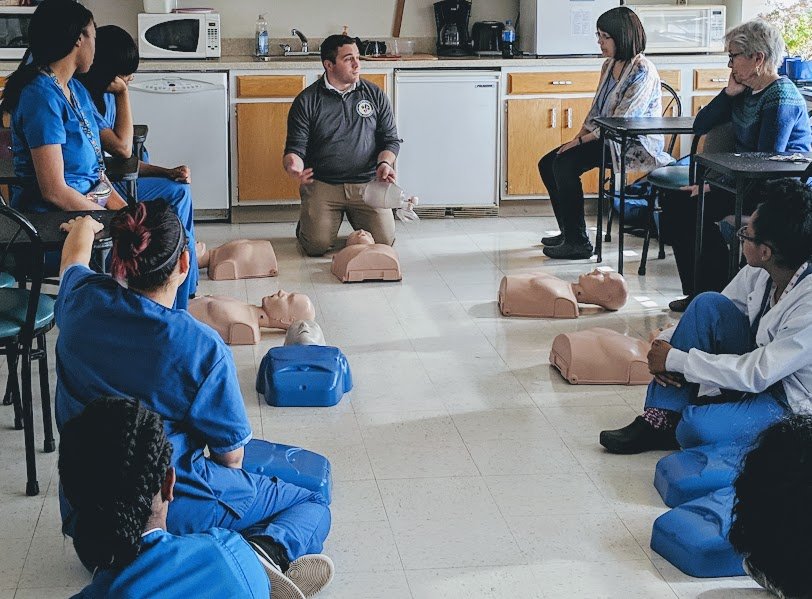
DC law mandates that high schools include CPR and AED training in their health education curriculum before students graduate. Students are taught to identify cardiac arrest, contact 911, perform chest compressions, and operate an automated external defibrillator. The goal is to boost bystander intervention and increase survival rates statewide.
2. Legal Protections for CPR Providers
District of Columbia’s Good Samaritan laws safeguard individuals who offer emergency care, including CPR and AED use, as long as they act in good faith and do not seek payment. These protections encourage quick action, but proper training remains essential to ensure care is safe and effective.
3. AED Availability and State Recommendations
The state emphasizes the importance of early defibrillation and encourages or requires AEDs in key locations:
- Schools: Many schools install AEDs to provide rapid help in cardiac emergencies.
- Fitness Centers: Facilities are recommended to have AEDs to respond quickly to sudden cardiac events.
- Large Workplaces: Employers often must equip workplaces with defibrillators to improve survival rates.
- Public Buildings: AED access is encouraged for anyone experiencing cardiac arrest.
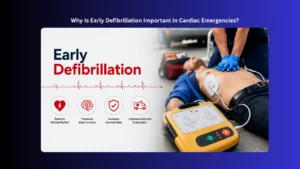
DC CPR guidelines highlight that combining high-quality chest compressions with timely defibrillator use gives the best chance of survival during sudden cardiac arrest.
Who Should Receive CPR Training in DC?
Anyone can enroll in a CPR class, but certain groups are especially encouraged and required to maintain a CPR provider card.
- Healthcare Professionals: Doctors, nurses, and clinical staff.
- Educators and School Staff: Teachers and administrators.
- Childcare Providers and Caregivers: Those responsible for vulnerable individuals.
- Public Safety Personnel: Police, firefighters, coaches, and security staff.
- Students and Community Members: Youth training builds a broader network of potential lifesavers.
The Connection Between BLS, ACLS, PALS, and CPR
Here’s a clear breakdown of the connection between BLS, ACLS, PALS, and CPR, since these terms are related but focus on different levels of care and patient populations:
1. Cardiopulmonary Resuscitation (CPR)
- Definition: CPR is the emergency procedure that combines chest compressions with artificial ventilation to maintain blood circulation and oxygenation in someone who has suffered cardiac arrest.
- Purpose: To sustain life until advanced medical help can restore a normal heart rhythm.
- Scope: Basic skills used by both laypeople and healthcare providers.
2. Basic Life Support (BLS)
- Definition: BLS is a level of medical care that includes CPR and other basic interventions for life-threatening emergencies such as cardiac arrest, airway obstruction, or respiratory failure.
- Components:
- High-quality CPR (compressions and ventilations)
- Use of an AED (Automated External Defibrillator)
- Relief from choking
- Audience: Healthcare providers and trained lay rescuers.
- Connection to CPR: CPR is a core skill taught within BLS training.
3. Advanced Cardiovascular Life Support (ACLS)
- Definition: ACLS is an advanced set of clinical interventions for the management of cardiac arrest, stroke, and other cardiovascular emergencies in adults.
- Components:
- Advanced airway management (intubation)
- ECG rhythm recognition and interpretation
- Administration of medications (epinephrine, amiodarone, etc.)
- Team-based resuscitation
- Audience: Healthcare professionals like doctors, nurses, and paramedics.
- Connection to BLS & CPR: ACLS builds on BLS skills. You must know CPR and BLS first before advancing to ACLS.
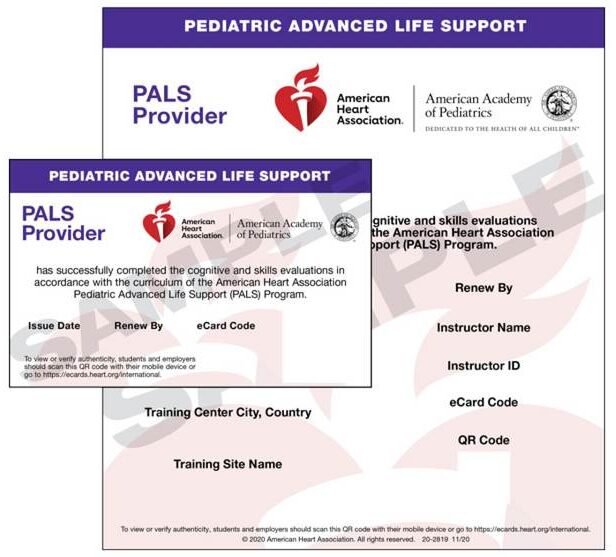
4. Pediatric Advanced Life Support (PALS)
- Definition: PALS is a specialized form of ACLS for infants and children.
- Components:
- Pediatric-specific CPR (different compression depth and rates)
- Airway management
- Cardiac rhythm recognition
- Emergency medications
- Audience: Healthcare providers who treat children.
- Connection: Like ACLS, PALS builds on BLS skills but adjusts interventions for pediatric patients.
Key Insight: CPR → BLS → ACLS/PALS. Think of it as a progression from basic life-saving skills to advanced, population-specific interventions.
Step-by-Step Guide to Performing Adult CPR
Act quickly, immediate CPR can significantly increase survival chances in cardiac emergencies.
Step 1: Ensure Scene Safety
Before approaching, make sure the area is safe from hazards such as traffic, fire, or other dangers.
Step 2: Check Responsiveness
Gently tap the person and shout. If there is no response, treat it as a potential cardiac emergency.
Step 3: Call 911
Dial 911 immediately or instruct someone nearby to call. Put the phone on speaker so you can start CPR while receiving guidance from the dispatcher.
Step 4: Check Breathing
- Look for normal breathing.
- If the person is not breathing or only gasping, start CPR immediately.
- Gasping is not normal breathing.
Step 5: Start Chest Compressions
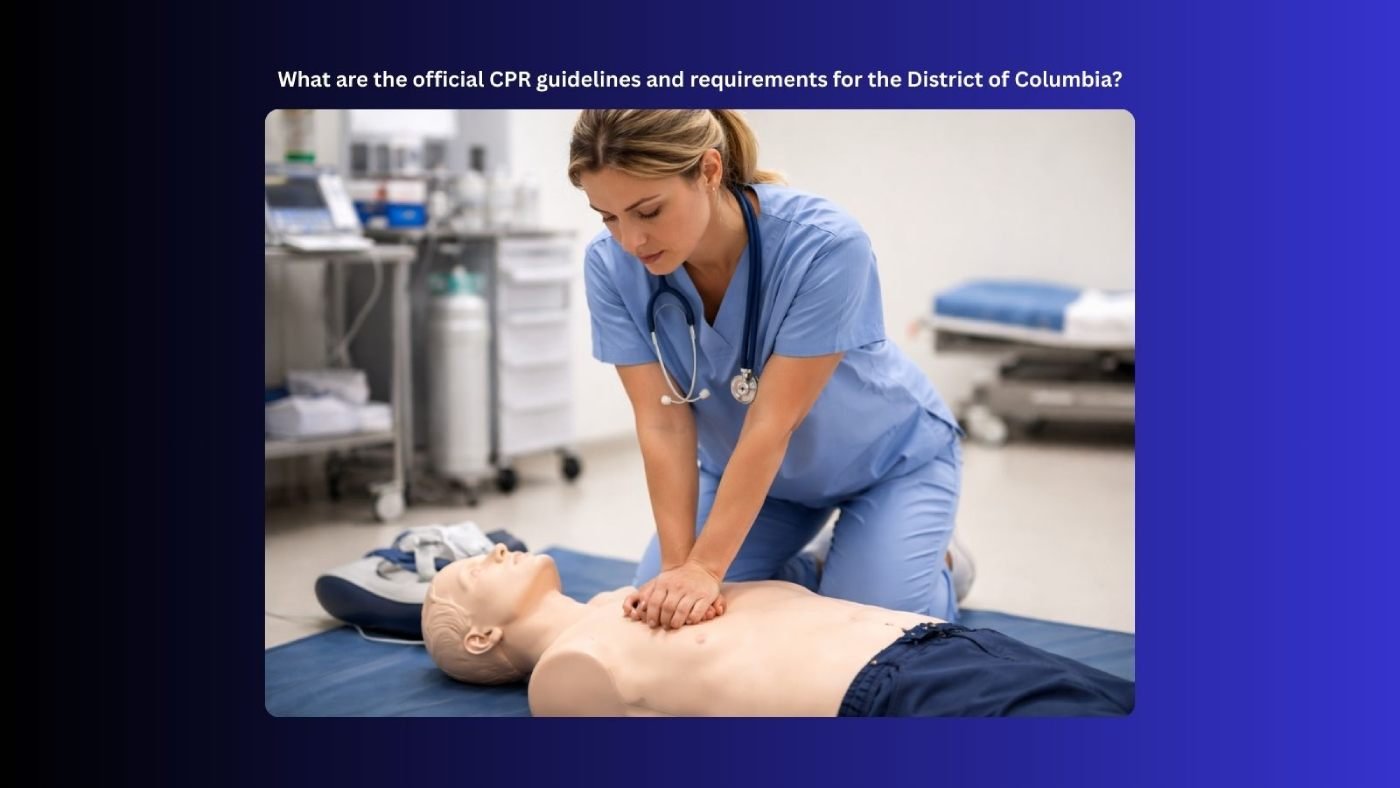
- Place the heel of one hand on the center of the chest, your other hand on top, fingers interlocked. Keep your arms straight and shoulders over your hands.
- Push hard and fast, about 2 inches (5 cm) deep
- Rate: 100-120 compressions per minute
- Allow full chest recoil after each push
- Minimize interruptions
- Hands-only CPR: If you are untrained or uncomfortable giving breaths, perform compressions only.
Step 6: Give Rescue Breaths (If Trained)
- After 30 compressions, give 2 slow breaths:
- Tilt the head back, lift the chin, pinch the nose, and seal your mouth over theirs.
- Continue cycles of 30 compressions and 2 breaths.
Step 7: Use an AED as Soon as It Is Available
Turn on the Automated External Defibrillator (AED) immediately and follow voice prompts. Early defibrillation greatly increases survival chances.
Step 8: Continue CPR Until Help Arrives
- Keep performing CPR until:
- Emergency personnel take over
- The person shows clear signs of life
- You are physically unable to continue
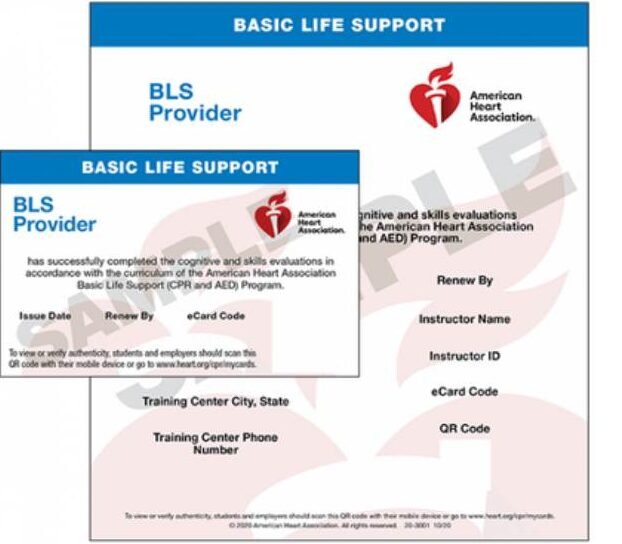
Why Renewing Your CPR Provider Card Matters
CPR techniques change as new research emerges, influencing things such as the depth and rate of chest compressions, how to use an AED, and team coordination during resuscitation.
Regularly renewing your CPR course completion card and practicing your skills helps you:
- Maintain proper and effective technique
- Stay up to date with the latest guidelines
- Build confidence to act in emergencies
Using outdated CPR methods can lower their effectiveness and increase the chance of causing harm.
How CPR Training Strengthens District of Columbia Communities
CPR training enhances public safety and health throughout the District of Columbia. With more people trained:
- Lives Are Saved: Performing CPR immediately can double or even triple the chances of survival during cardiac arrest. Bystanders with training can deliver crucial care before emergency responders arrive.
- Faster Emergency Response: Communities where CPR knowledge is widespread respond more quickly, reducing delays and improving outcomes while awaiting professional help.
- Confident Citizens: Training equips the people who live in the DC to act effectively under pressure.
- Improved Health Awareness: Understanding CPR and AED use helps create safer environments at schools, workplaces, public spaces, and homes.
- Legal Confidence: Familiarity with state Good Samaritan laws reassures residents that acting in good faith is protected, encouraging timely life-saving intervention.
The Importance of CPR Awareness in the District of Columbia
In summary, following current CPR guidelines can save lives. Understanding chest compressions, rescue breaths, and how to use an AED enables people to respond quickly and confidently in emergencies. Schools, workplaces, and public spaces that encourage CPR training contribute to safer communities. Regular practicing and keeping CPR provider card up to date ensure skills remain effective, while Good Samaritan laws give reassurance to those who assist.
At Bayside CPR in District of Columbia, we make learning these lifesaving techniques easy. Our programs are for everyone, healthcare workers, students, parents, and coaches alike. Begin with an online course at your convenience, and then complete a brief 30-minute hands-on session at our location. Additionally, our AHA-approved courses, including CPR, First Aid, BLS, ACLS, and PALS, fit your schedule and preferred learning style. After finishing both parts, you’ll receive your official course completion card, ready for use immediately.
By practicing regularly, staying updated, and knowing your legal protections, you can confidently step in to help others. Sign up today to gain the knowledge and confidence to save a life and strengthen your community’s safety.