
Wondering how much time you need to learn CPR? Whether you’re a healthcare professional, a parent, or just someone who wants to be prepared in an emergency, knowing how long a CPR or Cardiopulmonary Resuscitation class takes and how long your AHA provider card will be valid can help you plan your schedule and choose the right course. CPR classes aren’t one-size-fits-all. The duration can vary depending on the type of class you take, whether it’s in-person or online, and the level of the course you’re pursuing. By understanding what to expect, you can make sure you get the full benefit of your training without any surprises.
Factors That Affect CPR Class Length
The duration of a CPR class can vary widely depending on several key factors. Understanding these can help participants plan their time and expectations more effectively.
1. Class Type
The type of CPR course you enroll in significantly impacts how long the class will take. For example, a Basic Life Support (BLS) course for healthcare providers typically takes longer than a CPR for Family & Friends course because it covers more advanced skills and scenarios. Understanding the difference between CPR and BLS can help you choose the course that best fits your needs. Specialty courses like pediatric CPR or first aid, combined with CPR, also add to the total class time.
2. Course Format
CPR courses are offered in various formats: in-person, online, or blended (a combination of online and in-person). Online or self-paced modules may allow participants to complete the theoretical portion at their convenience, potentially shortening in-person session time. Fully in-person courses usually take longer since they include hands-on practice, skills testing, and instructor feedback.
3. Course Level
Various course levels require varying depths of training. Professional-level programs (such as ACLS or PALS) include complex algorithms, team dynamics, and advanced skills, which extend the length of the class. In contrast, basic CPR training focuses on core techniques like chest compressions, rescue breathing, and AED use, resulting in a shorter course.
4. Class Size and Instructor Style
The number of participants and the teaching approach can influence class length. Smaller classes often allow for more individualized attention, questions, and practice, which can extend the time. Conversely, larger classes may move more quickly but may reduce hands-on practice. Similarly, instructors who emphasize thorough explanations and multiple skill repetitions may run longer sessions than those with a faster-paced style.
By understanding these factors, you’ll have a better idea of how long your CPR class might take and can choose one that fits your schedule and learning style.
CPR Class Format: In-Person vs. Online
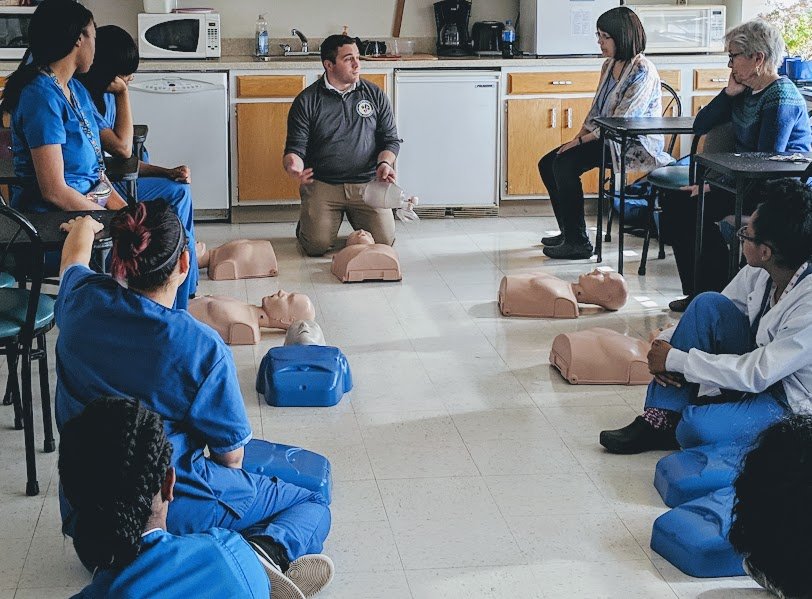
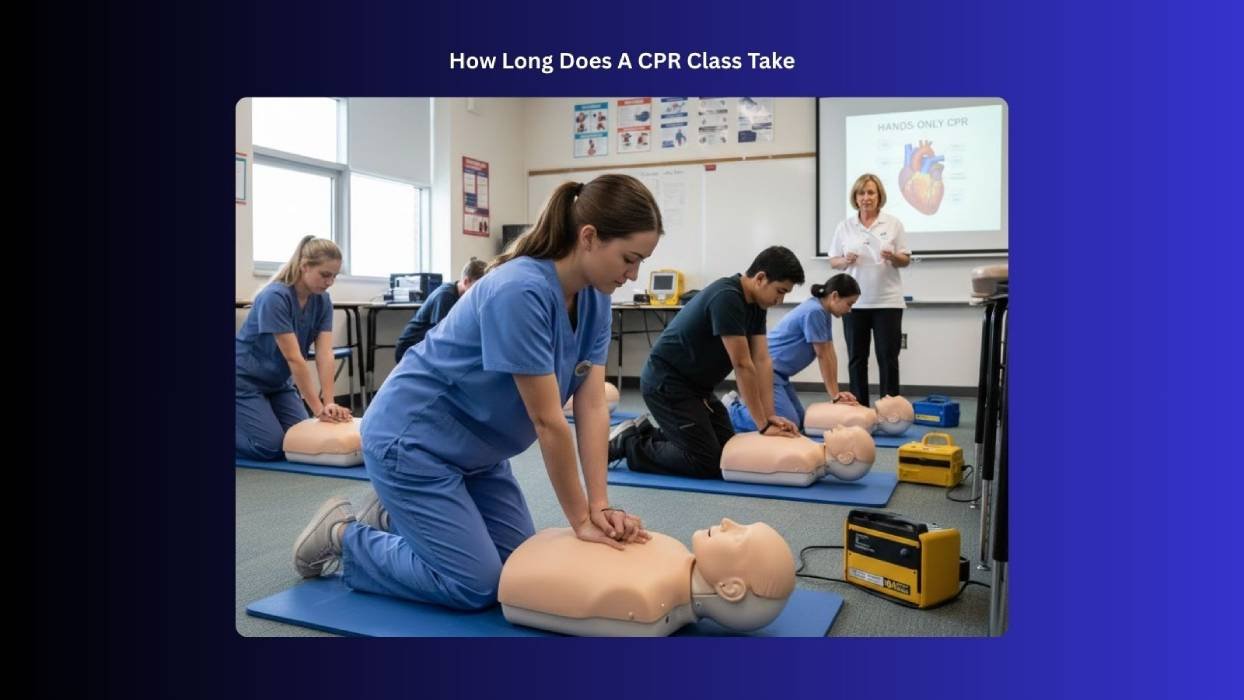
The format of a CPR class can significantly affect how long it takes to complete. In-person classes typically include hands-on practice with mannequins, instructor demonstrations, and real-time feedback. These sessions often last 2-6 hours, depending on the type of CPR being taught, and may require scheduling around the instructor’s availability.
On the other hand, online or self-paced courses allow students to complete the theoretical portion at their own speed. Some courses can be finished in as little as 1-2 hours if you’re focused, while others may span several days if you prefer to take breaks between modules. However, most online programs still require an in-person skills check to demonstrate proper technique, which can add additional time. Understanding the differences between online and in-person CPR class can help you decide which format best fits your schedule and learning style.
Ultimately, your choice of format, online for flexibility or in-person for hands-on experience, can change not only the duration but also the learning style and confidence you gain in performing CPR.
Which CPR Method Takes Longer: Instructor-Led or Self-Guided
Learning CPR can be quick or take a bit more time, depending on how you do it. Let’s look at two ways to learn and see which one might take longer.
1. Instructor-Led CPR Classes
These classes are typically conducted in person or live online with a instructor. They usually last 2–4 hours for adult CPR, including hands-on practice, demonstrations, and time for questions. Pediatric or infant CPR courses may take slightly longer. Instructor-led classes tend to take more time because you’re practicing techniques under supervision and ensuring proper form.
2. Self-Guided CPR Classes
Self-guided or online-only courses allow you to learn at your own pace. You can complete them in 1–3 hours, depending on how quickly you go through the material and quizzes. However, most online-only classes do not include hands-on practice, which is crucial for mastering CPR skills. Some hybrid courses pair online learning with a shorter in-person skills session, which can extend the total time slightly.
Summary:
- Longest: Instructor-led classes (more hands-on and structured)
- Shortest: Self-guided online classes (faster but less practical experience)
Ultimately, if your goal is practical competence, the slightly longer instructor-led class is usually worth the extra time.
Typical Duration by CPR Class Type
The length of a CPR class varies based on the level of training and the intended audience. Below is a general breakdown of how long each type of CPR or life support class typically lasts.
| CPR Class Type | Typical Duration |
| Basic Adult CPR | 2-4 hours |
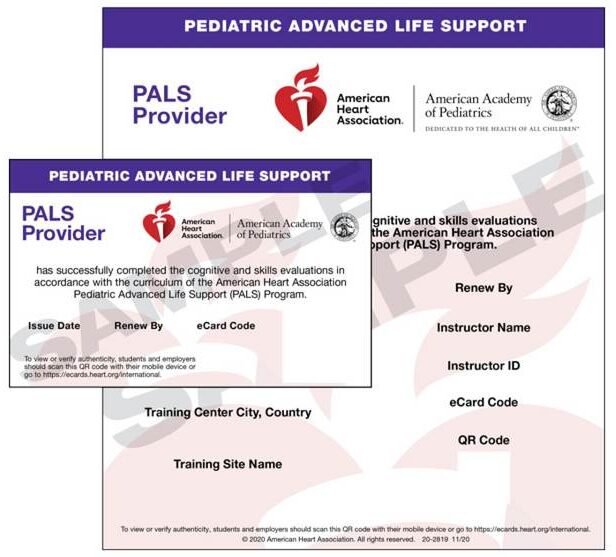
| PALS (Pediatric Advanced Life Support) | 14-16 hours |
| BLS (Basic Life Support) for Healthcare Providers | 4-6 hours |
| ACLS (Advanced Cardiovascular Life Support) | 8–12 hours (often over 1–2 days) |
| Blended or Online CPR Courses | Varies (shorter in-person time) |
- Basic Adult CPR classes are usually the quickest option, making them ideal for workplace safety training, caregivers, or anyone seeking essential lifesaving skills.
- PALS courses are the longest because of their advanced focus on pediatric emergencies and are suitable for pediatricians, emergency physicians, and advanced healthcare providers.
- BLS classes require more time than basic CPR because they include team-based resuscitation, AED use, and advanced airway management.
- ACLS training is more intensive and often spans one or two days, covering advanced cardiac emergencies, medications, and complex algorithms.
- Blended or online courses allow you to complete the theory portion at your own pace, which can significantly reduce the time spent in a classroom for hands-on skills testing.
Also, read: Difference Between ACLS and BLS
Class Requirements and Time Commitments
Our CPR program combines self-paced online learning with a hands-on, in-person skills session, providing both flexibility and adherence to AHA standards. Participants begin by completing the online module at their convenience, which typically takes 1-2 hours. During this phase, they must finish all coursework and successfully pass knowledge assessments.
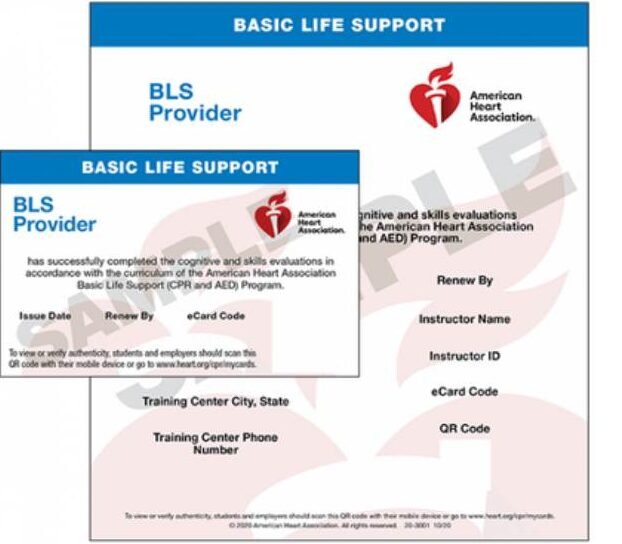
After the online portion, participants attend a hands-on skills session at the CPR Verification Station, lasting approximately 30 minutes per person. Here, they demonstrate CPR techniques on an AHA-approved manikin while meeting all attendance and participation requirements. Completion of both the digital coursework and practical evaluation is necessary to receive an official AHA CPR provider card.
The issued CPR card is valid for two years, after which renewal requires repeating both the online and in-person components. This blended format ensures learners gain essential hands-on skills while benefiting from the convenience of self-paced study.
Tips to Complete a CPR Class Efficiently
If you want to make the most of your CPR class without feeling rushed, a few strategies can save time and reduce stress:
- Review Materials in Advance: Many courses provide manuals or online modules. Familiarizing yourself with the basics can shorten the time you need for instruction.
- Practice Hands-On Skills Beforehand: If allowed, using a practice mannequin or watching demonstration videos can boost confidence during the in-person session.
- Arrive Prepared: Bring necessary paperwork, wear comfortable clothing for physical practice, and make sure you’re ready for skills testing.
- Stay Focused: Avoid distractions during online modules; completing the course in one focused session is usually faster than breaking it up over multiple days.
- Ask questions: Clarifying steps with instructors during the class prevents mistakes that could require retesting later.
Following these tips ensures you finish your CPR training efficiently while still mastering the skills needed to respond confidently in an emergency.
Want to Save a Life? Start with CPR Training
In summary, knowing how long a CPR class takes helps you plan your time and choose the course that fits your needs. Whether you go for a quick basic class or a longer advanced course, the most important part is learning the skills that could save a life. By understanding the format, level, and AHA CPR training requirements, you can approach the class with confidence and focus. With a little preparation and practice, completing your CPR training becomes a manageable step toward being ready for an emergency, giving you the knowledge and confidence to act when it matters most.
Don’t wait to be prepared, sign up for a CPR class today! Bayside CPR offers fast, convenient, lifesaving training developed to fit for your busy schedules. Complete a short online course followed by a 30-minute in-person skills session at any of our 60+ locations, and earn your AHA course completion card the same day. We also offer ACLS, BLS, PALS, CPR, and First Aid classes.