
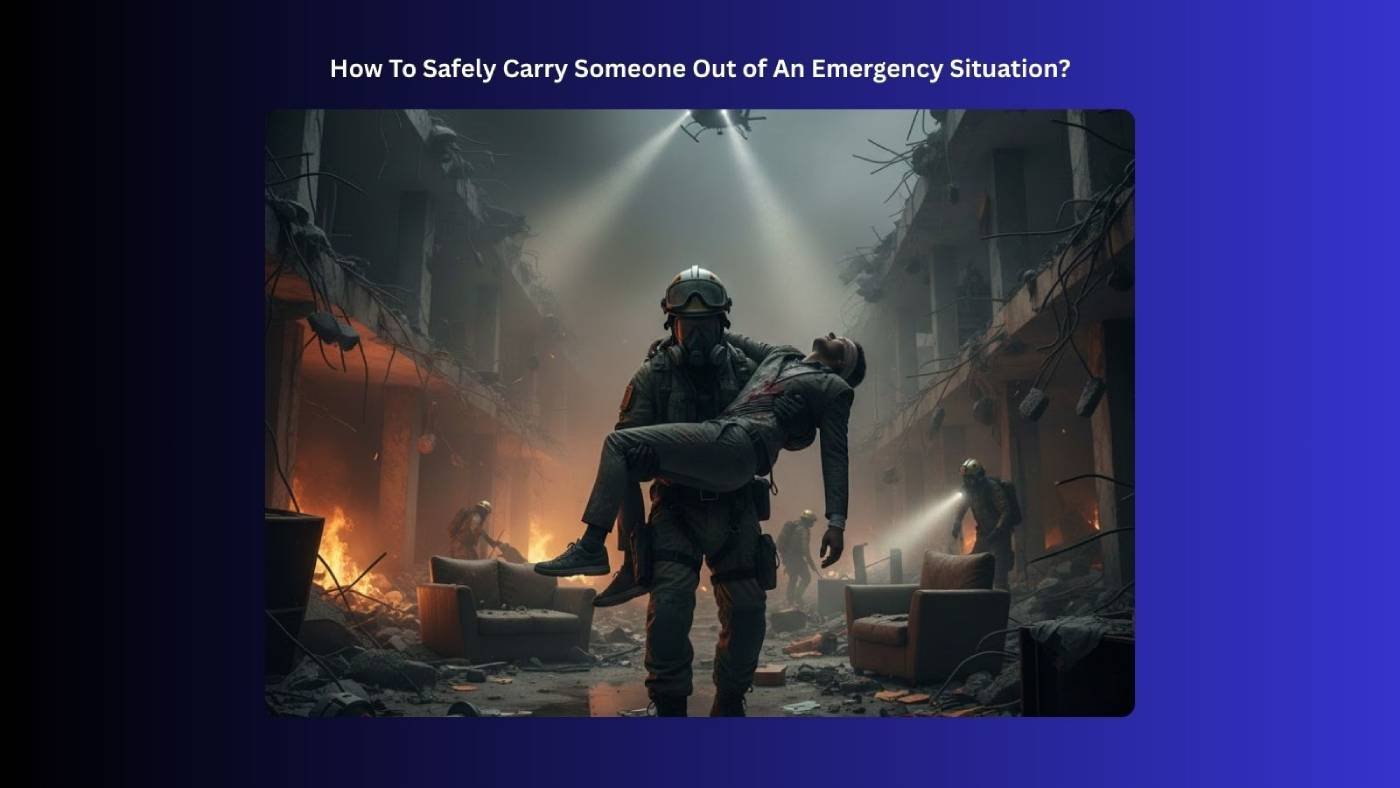
Helping someone in an emergency can be stressful, but moving them safely protects both them and you. Before you act, it’s important to understand your legal responsibilities in these situations. Using the right techniques can prevent a small injury from becoming serious and keep you safe, too.
When you move someone the right way, you can reduce their pain and prevent injuries from getting worse, especially if there’s a broken bone, head injury, or possible spinal injury. Safe techniques also help you stay calm, communicate clearly, and guide them safely to a secure spot. Moving the person carefully improves their chances until help arrives.
Moving someone the wrong way can make injuries worse, hurt their spine, or even make it hard for them to breathe. It can also put you at risk of slipping, dropping the person, or straining your back or muscles. In emergencies, poor technique increases the risk of harm to everyone involved and can delay proper medical treatment.
When It Is Safe to Move an Injured Person
Knowing when to move an injured person is crucial to prevent further harm. Not every situation requires immediate movement, and improper timing can worsen injuries.
1. Move Immediately If:
- There’s fire, smoke, or toxic fumes nearby.
- The area is at risk of explosion or collapse.
- If the person is in water or at risk of drowning, it’s important to understand the science of drowning, what happens to the body underwater so you can respond effectively.
- There’s an active threat, like traffic or a violent situation.
- Debris or unstable structures could fall on them.
In these situations, you need to move the person right away, even if it might cause some injury. Your priority is getting them out of immediate danger safely and knowing what steps you should follow for any injury or environmental emergency can help you act confidently and effectively.
2. Don’t Move Unless Necessary:
- Suspected spinal or neck injuries.
- Severe fractures or broken limbs.
- Head trauma with possible brain injury or bleeding.
- Unstable medical conditions (e.g., heart attack, stroke)
If the area is safe, it’s often better to leave them in place, provide first aid, and wait for professional help. Moving them unnecessarily can make things worse.
This balance between urgency and caution is key to effective emergency response.
Key Safety Precautions Before Carrying Someone
Before attempting to move or carry an injured person, taking the right precautions ensures both the victim’s and rescuer’s safety. Rushing in without preparation can make the situation worse.
1. Assessing Scene Safety
- Quickly look around for dangers like fire, live wires, traffic, or falling debris, and know exactly what to do if someone is on fire.
- Ensure that moving the person won’t put you or the victim at risk.
- Proceed only if the area is safe.
2. Checking Responsiveness and Injuries
- Gently tap the person and ask if they can hear you to assess consciousness.
- Look for visible injuries, bleeding, or signs of broken bones.
- Look for injuries that need careful handling, like a possible spinal injury or serious head trauma.
3. Protecting the Rescuer from Injury
- Use proper lifting techniques: bend your knees, keep your back straight, and avoid twisting.
- If possible, enlist help from others rather than moving the person alone.
- Wear protective gloves or clothing if hazards like sharp objects or blood are present.
By following these precautions, you reduce the risk of worsening the victim’s injuries while keeping yourself safe during an emergency move.
Factors to Consider Before Choosing a Carry Method
Selecting the right way to carry someone depends on multiple factors. Choosing incorrectly can put both the victim and rescuer at risk.
1. Victim’s Size, Weight, and Consciousness
- A larger or heavier person may require more than one rescuer or the use of dragging techniques rather than lifting.
- Conscious victims may be able to assist partially, making some carries easier.
- Unconscious victims require extra care to support the head, neck, and spine.
2. Type and Severity of Injury
- Suspected spinal injuries require minimal movement and alignment of the head and neck.
- Broken limbs or fractures may need stabilization before moving.
- Minor injuries allow for quicker movement using simpler techniques.
3. Distance and Environment
- Short distances in confined spaces may allow for seated or cradle carries.
- Long distances or uneven terrain may require dragging techniques or multiple rescuers.
- Environmental hazards like stairs, water, or debris influence which method is safest.
Careful consideration of these factors ensures the chosen carry method minimizes harm while moving the person safely.
One-Rescuer Carry Techniques
When only one rescuer is present, specific carry techniques can safely move a victim while minimizing further injury. These methods are chosen based on the victim’s size, consciousness, and the situation.
1. Clothes Drag
- Ideal for unconscious or heavy victims.
- Grab the victim by the collar or shoulders and drag them along the ground.
- Support the head and neck to prevent further injury.
2. Blanket Drag
- Place a thick blanket under the victim and roll them gently onto it.
- Pull the blanket to move the person to safety, keeping the body aligned.
- Reduces friction and is easier on both the rescuer and victim.
3. Pack-Strap Carry
- The victim sits on the rescuer’s back like a backpack.
- Works best for conscious victims who can hold onto the rescuer.
- This carry keeps your hands free while still supporting the person.
4. Cradle Carry
- The rescuer supports the victim across their arms, similar to holding a child.
- Best for smaller or lighter victims.
- Keep the victim’s head supported and move slowly to avoid sudden movement.
These techniques allow a single rescuer to move a person safely in emergencies while adapting to the victim’s size, condition, and environment.
Two-Rescuer Carry Techniques
When two rescuers are available, carrying an injured person becomes safer and more stable. These techniques distribute the victim’s weight and reduce strain, making it easier to navigate longer distances or challenging environments.
1. Two-Person Seat Carry
- Both rescuers face each other and interlock arms to form a “seat” for the victim.
- The victim sits on the improvised seat while both rescuers lift and walk together.
- Suitable for conscious or semi-conscious victims with minor injuries.
2. Fore-and-Aft Carry
- One rescuer supports the victim from the front, the other from behind.
- Used for unconscious or heavier victims to maintain better balance and support.
- Keeps the victim’s body relatively straight and reduces strain on individual rescuers.
3. Chair Carry (Moving on Stairs)
- The victim sits in a stable chair while each rescuer lifts opposite sides.
- Ideal for stairs or uneven surfaces where dragging is unsafe.
- Ensures stable movement, especially in buildings or confined spaces.
These two-rescuer methods allow for safer, more controlled transport, especially when dealing with heavier victims, longer distances, or difficult terrain.
Special Considerations for Suspected Spinal Injuries
When a spinal injury is suspected, improper movement can cause permanent damage or paralysis. Extra caution is essential to protect the victim.
- Minimize Movement: Only move if the area is unsafe (fire, collapse, traffic).
- Maintain Alignment: Keep head, neck, and spine in a neutral, straight line.
- Communicate: If the victim is conscious, instruct them to stay still.
Moving a spinal injury incorrectly can cause permanent damage, always prioritize alignment and support.
Common Mistakes to Avoid
Even experienced rescuers can make errors when moving someone in an emergency. Avoiding these mistakes helps prevent further injury to the victim and protects the rescuer.
- Lifting Incorrectly: Bend your knees, keep your back straight, and avoid twisting.
- Ignoring Serious Injuries: Check for fractures, head trauma, or spinal injuries before moving.
- Rushing or Poor Communication: Move carefully and coordinate with other rescuers.
After the Victim Is Moved to Safety
Once the injured person is in a safe location, your focus shifts from movement to assessment and care. Proper steps here can make a critical difference in their outcome.
- Reassess Condition: Check breathing, pulse, and consciousness.
- Provide First Aid: Control bleeding, immobilize fractures, and treat burns if necessary.
- Monitor Continuously: Keep the victim calm and warm, and provide updates to emergency responders.
Also, Read: What Are the Three C’s of Emergency Response
Safe Ways to Move Someone in an Emergency
In short, assisting someone in an emergency means staying calm and acting safely. The first step is to assess the situation, making sure the area is safe and quickly checking the person’s condition. Only move them if the environment is dangerous, and choose a method that fits their size, injuries, and your strength. Use careful lifting or dragging techniques, keep the head and spine supported, and communicate clearly. Avoid rushing or twisting, as mistakes can worsen injuries. Once the person is in a secure spot, check their breathing and injuries, provide first aid if needed, and stay with them until help arrives.
Get ready when it matters with Bayside CPR. Our flexible, convenient training fits your schedule, allowing you to complete AHA CPR training quickly. Complete a brief online course, then attend a 30-minute hands-on skills session at one of our 60+ locations to earn your course completion card the same day. We also offer other courses, including BLS, ACLS, PALS, CPR, and First Aid.