
Anyone who might respond to a medical emergency must be familiar with CPR guidelines. In New York (NY), the state follows nationally recognized standards and incorporates laws that affect schools, healthcare facilities, workplaces, and public safety. Learning how these rules apply and how they relate to CPR course completion card requirements in New York helps individuals and organizations act effectively in an emergency.
This guide presents New York’s current CPR guidelines, highlights state-specific requirements, explains CPR provider card expectations, and emphasizes how training strengthens community safety.
The Source of CPR Guidelines in New York (NY)
The American Heart Association (AHA) provides the evidence-based recommendations that New York uses for its CPR guidelines. New York regularly updates these guidelines to incorporate the latest findings in resuscitation science and clinical research.
Training organizations, employers, and healthcare facilities across New York follow AHA-aligned standards to ensure that people perform CPR accurately and consistently in both professional and community settings.
CPR Guidelines in New York: Key Points
Although CPR procedures remain mostly consistent nationwide, New York sets specific rules and legal standards that shape CPR training and emergency response.
1. CPR Education in Schools
- Middle and high schools are required to teach CPR and AED awareness as part of health education.
- The program focuses on recognizing emergencies, alerting authorities, and being prepared to act until professional help arrives.
2. Legal Protection for CPR Providers
- Good Samaritan laws protect individuals who provide emergency care in good faith.
- Understanding these protections encourages bystanders to respond confidently without fear of legal consequences.
3. AED Placement and Guidelines
New York emphasizes early defibrillation and encourages or requires AEDs in places such as:
- Schools keep AEDs ready so anyone can use them fast in an emergency.
- Gyms and fitness centers provide defibrillators to help people if their heart stops.
- Large workplaces place portable defibrillators around so employees can stay safe quickly.
- Government and public buildings make AEDs available for anyone who needs them.
State guidelines instruct responders to combine rapid AED use with high-quality chest compressions to maximize survival during sudden cardiac arrest.
Who Must Take CPR Training in New York
In New York, several groups take CPR training to promote public safety and respond effectively during medical emergencies. These individuals acquire critical lifesaving skills they may need at any moment.
- Healthcare Professionals: Doctors, nurses, and other medical staff use CPR skills to save patients during life-threatening situations. They maintain these skills through regular training and refresher courses.
- Caregivers and Childcare Providers: People who care for children or dependent adults perform CPR immediately if someone stops breathing or suffers cardiac arrest.
- Assisted Living and Elder Care Staff: Staff in senior living and long-term care facilities respond to medical emergencies using CPR to protect residents who face higher health risks.
- Educators and Students: Teachers and often students handle emergencies in schools by applying CPR when necessary.
- Public Safety and Certain Occupations: Police officers, firefighters, and other emergency responders provide lifesaving CPR before advanced medical teams arrive.
- Workplace First Responders: Employees trained as workplace emergency responders assist colleagues during sudden health crises, creating a safer work environment.
The Connection Between BLS, ACLS, PALS, and CPR
BLS, ACLS, PALS, and CPR are all interconnected in emergency cardiovascular care.
1. CPR (Cardiopulmonary Resuscitation)
CPR saves lives when someone’s heart stops beating or they stop breathing. It maintains blood flow and delivers oxygen to vital organs until advanced care arrives. CPR involves chest compressions, rescue breaths, and sometimes using an AED (Automated External Defibrillator). It forms the core skill that BLS, ACLS, and PALS teach.
2. BLS (Basic Life Support)
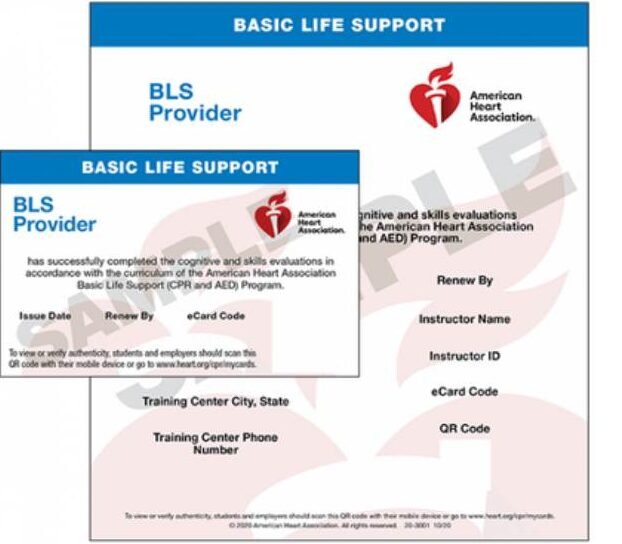
BLS trains healthcare providers and trained lay rescuers to perform basic emergency interventions. It teaches high-quality CPR for adults, children, and infants, AED use, and airway obstruction relief. BLS provides the foundation for effective CPR and early defibrillation, essential for nurses, doctors, paramedics, lifeguards, and some non-medical personnel.
3. ACLS (Advanced Cardiovascular Life Support)
ACLS builds on BLS skills for healthcare providers responding to cardiac emergencies in hospitals or pre-hospital settings. It trains providers to recognize and treat cardiac arrest rhythms, manage airways and ventilation, administer emergency medications, and lead team-based resuscitation efforts. Providers start with CPR and then follow ACLS protocols to deliver advanced interventions.
4. PALS (Pediatric Advanced Life Support)
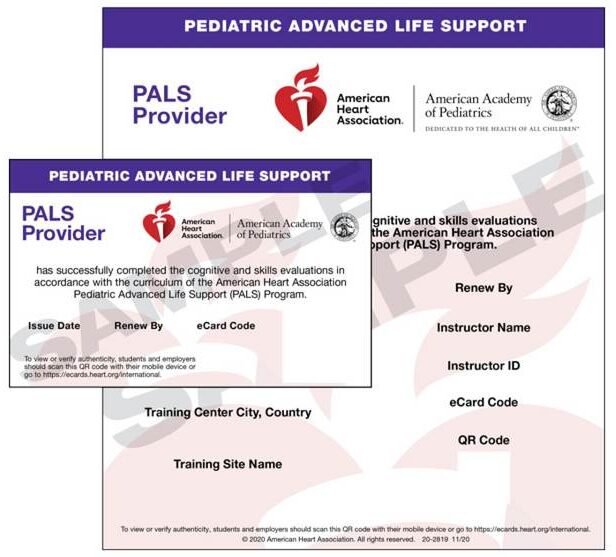
PALS adapts CPR and advanced resuscitation principles specifically for infants and children. It trains providers to perform child- and infant-specific CPR, recognize and treat pediatric cardiac arrest and respiratory emergencies, and follow pediatric-specific algorithms. PALS ensures providers address unique pediatric needs while building on the foundation of CPR.
Together, CPR forms the core lifesaving skill, BLS teaches the basics, ACLS adds advanced adult interventions, and PALS focuses on advanced care for children. Explore our CPR classes and find the one that’s right for you.
Steps to Perform CPR on an Adult
Act quickly during a cardiac emergency to improve a person’s chance of survival. If someone collapses and does not breathe normally, start CPR immediately.
Step 1: Ensure the Scene Is Safe
Before you rush in, check your surroundings. Is there traffic, fire, or anything else dangerous? Only approach if it’s safe.
Step 2: Check Responsiveness
Gently tap the person’s shoulder and speak loudly to see if they respond. If they do not react, treat the situation as a cardiac emergency.
Step 3: Call 911 for Emergency Medical Services (EMS)
Call 911 immediately, or ask someone nearby to make the call. If you are alone, put the phone on speaker and follow the dispatcher’s instructions while performing CPR.
Step 4: Check Breathing
Observe whether the person breathes normally. If they do not breathe or only gasp, start CPR immediately. Do not treat gasping as normal breathing.
Step 5: Begin Chest Compressions
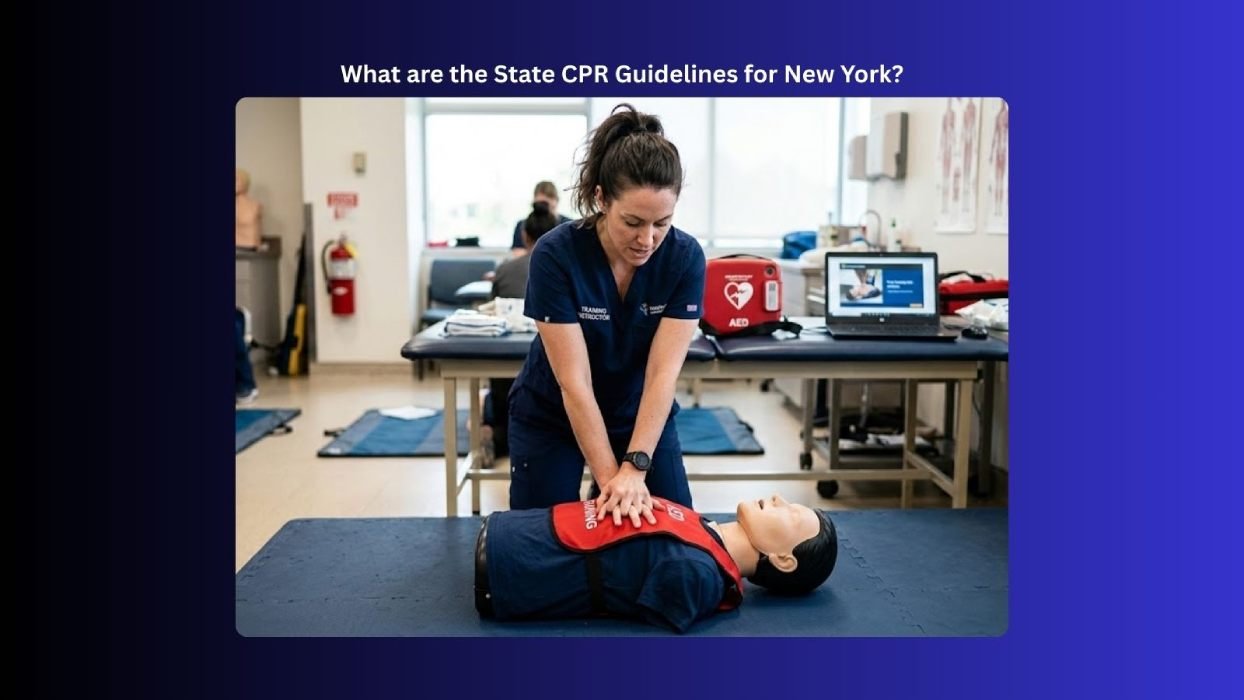
- Place the heel of one hand in the center of their chest, the other hand on top, fingers interlocked.
- Keep your arms straight and shoulders over your hands.
- Push down about 2 inches (5 cm) at a steady rhythm of 100-120 times per minute.
- Let the chest rise fully between compressions.
- Hands-only CPR: If you’re not trained in rescue breaths, just do chest compressions. It still helps a lot.
Step 6: Give Rescue Breaths (If Trained)
After 30 compressions:
- Tilt the head back, lift the chin, pinch the nose, and give two slow breaths.
- Watch the chest rise to make sure the breaths work.
- Repeat the cycle: 30 compressions, 2 breaths.
Step 7: Use an AED as Soon as It Is Available
Turn it on and follow the voice prompts. The quicker you use it, the better the chance of saving a life.
Step 8: Continue Until Help Arrives
Don’t stop until:
- Emergency responders take over,
- The person shows signs of life, or
- You’re physically unable to continue.
Remember: quick action and consistent compressions make a huge difference. You can save a life.
The Importance of Staying Updated with CPR Training
Medical professionals regularly revise CPR guidelines as new research and evidence emerge. New research may lead medical professionals to update recommendations on compression depth and rate, AED use, and team coordination during resuscitation. Keeping your CPR course completion card current and consistently practicing your skills helps you:
- Perform CPR accurately and effectively
- Follow the latest recommendations and guidelines
- Respond to emergencies with greater confidence
Using outdated CPR techniques can reduce the effectiveness of your response and may unintentionally put others at higher risk.
Key Impacts of CPR Training in New York
Learning CPR in New York can save lives and strengthen communities. More people are stepping up to help during emergencies every day.
- Saving Lives: Administering CPR immediately during a cardiac arrest can significantly increase a person’s chance of survival, potentially doubling or tripling it. Trained bystanders provide crucial help in the moments before emergency responders arrive.
- Health Awareness: Learning CPR and AED use promotes safer environments in schools, workplaces, public spaces, and homes by raising awareness of emergency preparedness.
- Legal Assurance: Understanding NY’s Good Samaritan laws reassures residents that they are legally protected when performing CPR in good faith, encouraging timely assistance.
- Faster Community Response: When many New York residents know CPR, bystanders can respond more quickly, reduce delays, and improve survival rates before professional help arrives.
- Boost Confidence: CPR training provides residents with hands-on skills and confidence to respond calmly and effectively in emergencies.
The Importance of CPR Guidelines in New York
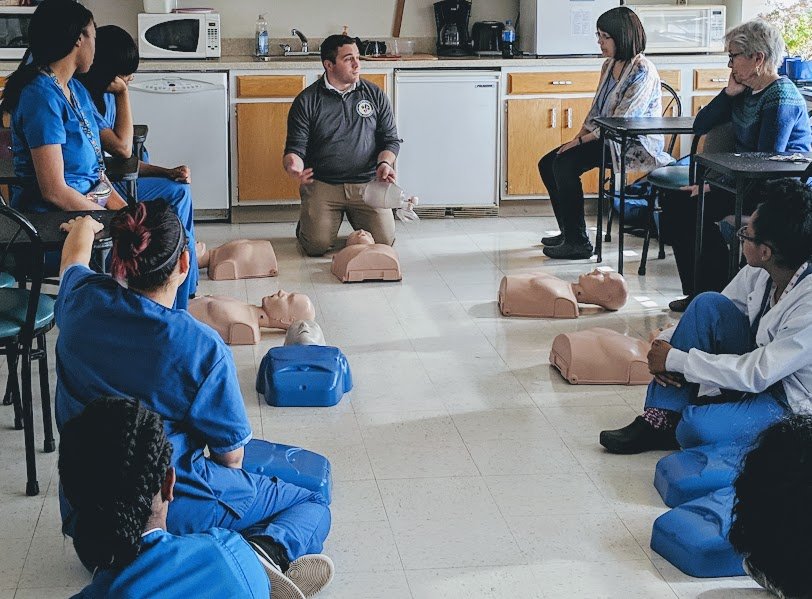
In short, knowing CPR in New York is more than a skill, it is a way to protect lives and support your community. Learning and practicing the state’s CPR guidelines ensures quick, confident responses when someone’s heart or breathing stops. Schools, workplaces, and public spaces are safer when people know how to perform chest compressions, use an AED, and follow proper emergency steps.
Keeping training up to date ensures your actions match the latest research. Every person who learns CPR becomes a vital link in saving lives, strengthening the safety and readiness of the entire community.
Bayside CPR in New York offers convenient, AHA-approved training programs in CPR, First Aid, BLS, ACLS, and PALS for healthcare professionals and community members. Students complete the online portion at their own pace, then attend a brief in-person skills session to demonstrate competency and earn an official course completion card. Enroll today to build the knowledge and confidence needed to save lives.