
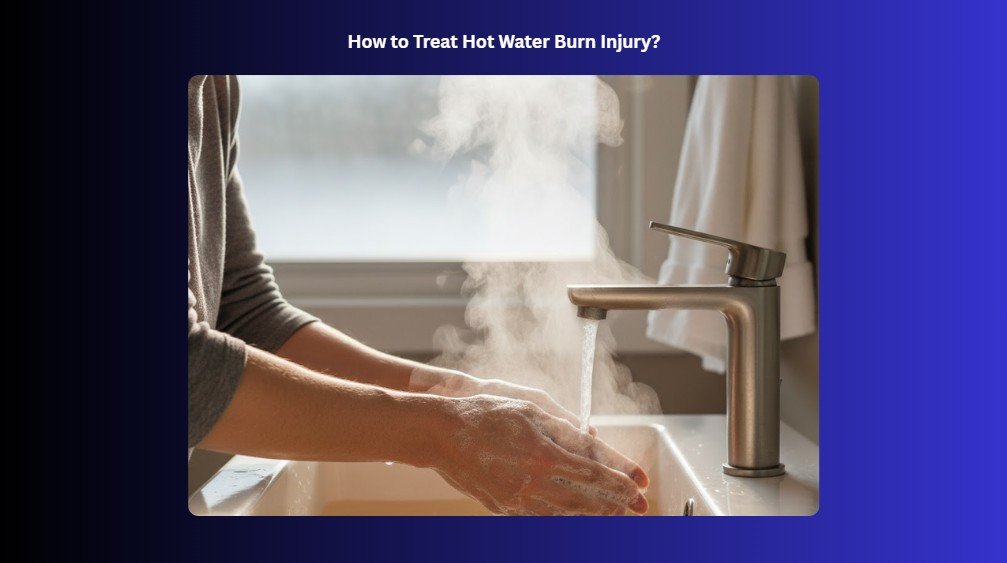
Hot water burns or scalds can happen in an instant, whether it’s from spilling a cup of coffee, touching hot tap water, or cooking in the kitchen. The study done by Journalists Resource has shown that around 486,000 people in the U.S. experience scald injuries each year. These accidental burns can be painful, and without proper first aid, the condition can worsen. So, you may wonder how to treat a hot water burn and what immediate actions can help reduce pain and risk.
By staying calm, responding quickly, and providing the right care, you can treat scalds safely. After the burn, running cool water over the affected area for about 20 minutes helps prevent additional injury to the epidermis and deeper skin layers. However, the right approach depends on the severity of the burn, as each level requires a specific type of care.
With the right approach, you can make a big difference in how quickly your skin heals and reduce the risk of further damage. In this blog, we’ll explain a step-by-step first-aid guide to scalding injuries, tips for treating minor scalds at home, and guidance on when to seek medical help.
Understanding Hot Water Burns (Scalds)
Hot water burn, also called a scald, is a type of thermal injury caused by contact with hot liquids or steam. Unlike burns from dry heat (such as flames or heated objects), scalds occur when hot fluids such as hot water, tea, coffee, and steam transfer heat quickly to the skin.
Furthermore, when the skin is exposed to temperatures of 44°C (111°F) or higher, heat transfer can damage the epidermis, leading to redness, pain, and inflammation. In more severe cases, the injury can extend to deeper layers, resulting in blistering and swelling depending on the temperature, duration of exposure, and skin thickness.
How are burn injuries categorized?
It is important to note that all hot water burns are not the same. Scalds are classified based on the depth and extent of the damage. This helps determine the most appropriate treatment approach and the right medical care.
Burn injuries are generally divided into three types:
First-degree (superficial) burns:
A first-degree burn is the mildest type of burn that affects only the epidermis, causing slight swelling and minimal discomfort. At this stage, the skin appears red and dry, but there are no blisters or deeper tissue damage. The pain is generally compared to a bee sting or a minor electric shock. Superficial burns do not leave any scars and usually heal on their own within 3 to 7 days.
Second-degree (partial-thickness) burns:
A second-degree burn affects both the epidermis and dermis, causing severe pain, redness, swelling, and blister formation. The skin often appears moist, shiny, or mottled, and the area is highly sensitive to touch and temperature changes due to nerve involvement. The pain is often described as throbbing or burning. Superficial burns usually heal within 2 to 3 weeks, while deeper burns may take several weeks and can sometimes result in scarring or changes in skin pigmentation.
Third-degree (full-thickness) burns:
Full-thickness burns damage all the layers of skin and can extend into deeper tissues such as fat, muscle, or bone. The affected skin often appears white, charred, brown, or leathery, and emergency medical attention is required immediately. As nerve endings are destroyed in the burn area, sensation is usually absent, and the skin becomes dry and hard with no blistering. In third-degree burns, the healing process does not occur naturally and can take several months, often requiring skin grafts and specialized surgical treatment.
Step-by-Step First Aid For Scalds
After a hot water burn, taking the right immediate actions can support faster healing and reduce complications. Following proper first aid steps ensures the injury is managed correctly from the start.
Here is your step-by-step first aid guide for scalds:
Stop the source of heat
Firstly, move the person away from hot liquids, steam, or any heat source to prevent further injury. If clothing is soaked with hot liquid, remove the person from the source before attempting any other steps.
Cool the burn immediately
Next, run the cool water in an affected area for at least 15–20 minutes. But even by mistake, do not use ice or very cold water, as guidelines published by the National Library of Medicine state that it can worsen tissue damage, reduce blood flow, and increase the risk of hypothermia. If running water is not available, use a clean cloth soaked in cool water or bottled water.
Remove tight items carefully
After cooling, take off rings, watches, belts, or tight clothing from the burned area as soon as possible. If items are not removed beforehand, swelling can happen quickly, making them difficult to take off later. However, do not force removal if clothing is stuck to the skin.
Protect the injured area
After removing the items, cover the burn loosely using a clean, non-stick dressing or cling film. This helps protect the skin from infection and reduces irritation. Avoid wrapping it tightly, as pressure can worsen pain and swelling.
Manage discomfort
Finally, following all the steps helps manage the pain safely and effectively. If any discomfort occurs, you can use over-the-counter pain relief medicine such as paracetamol or ibuprofen. Furthermore, keeping the burn elevated can also help lower pain and swelling. Remember, your simple care and attention can make a big difference in the healing process.
When to Seek Medical Help for Scalding Injuries
Scald burns can look minor at first, but sometimes they’re more serious than they seem. If you understand when medical help is needed, you can make the appropriate decisions for your treatment process.
- Children and Older Adults: Young children, older adults, and people with weak immunity need extra care. Even small burns can become serious for them.
- Large or Deep Burns: If the burn covers a big area or goes deep into the skin, get medical help right away. Serious burns need proper care to heal safely.
- Severe Pain or Swelling: If your burn hurts a lot or keeps swelling, don’t wait. A doctor can help reduce pain and prevent problems.
- Blistering or Open Wounds: Large blisters or open wounds can easily get infected. So, it is best to have a professional check and treat the burns.
- Burns on Sensitive Areas: Burns on the face, hands, feet, or joints need careful attention. A doctor can make sure they heal properly and safely.
- Signs of Infection: Watch for spreading redness, pus, or a bad smell. Fever can also mean the burn is infected, so get help fast.
- Inability to Move the Affected Area: If your burn makes it hard to move or feel the area, see a doctor. Early care can prevent long-term problems.
What causes Hot water burns?
In our daily lives, various accidental actions or a lack of safety measures can cause scalds. Some of the main causes of hot water burns are:
- Everyday kitchen mishaps: Burns can occur when hot containers such as kettles, pots, or cups are accidentally spilled during routine household activities.
- Unsafe water temperature settings: Excessively heated water from taps, baths, or showers can cause quick and serious burns.
- Exposure to hot vapor: Steam from cooking or boiling liquids can transfer heat to the skin and cause burns.
- Contact with heated liquids: Accidental spills of hot beverages such as tea or coffee, or hot water from kitchen appliances, can cause scald injuries.
- Lack of safety temperature controls: Without devices that regulate water temperature, water becomes very hot, and increases burn risk.
- Difficulty reacting quickly: Children and older adults may not be able to move away in time when exposed to hot liquids or steam, which increases their risk of burns.
Can Hot Water Burns Be Treated at Home?
While third-degree or more severe burns require immediate medical attention and cannot be safely treated at home, first and some minor second-degree burns can often be managed with proper home care. Additionally, the right approach and careful monitoring are important to ensure the injury does not worsen.
Steps to treat minor scalds at home:
Clean the affected area
Gently clean the burn area with cool running water and mild soap. Avoid using hot water or scrubbing the skin, as this may worsen irritation. After cleaning, pat the area dry with a clean cloth.
Soothe the skin
Apply a thin layer of a gentle moisturizer or aloe vera gel to keep the skin hydrated and reduce discomfort. Avoid using butter, oils, or strong creams, as they can trap heat and delay healing.
Change the dressing
Cover the area with a clean, non-stick dressing or light bandage to protect it from dirt and infection. Change the covering daily or whenever it becomes wet or dirty.
Avoid sun exposure
Keep the healing skin away from direct sunlight, as it can cause further damage and discoloration. When going outside, cover the area with clothing or apply sunscreen with SPF 30 or higher to protect the skin during recovery.
What are the risks of scalding injuries?
Scald burns are not just minor injuries; they can lead to serious health complications if not treated properly. While some burns heal with basic care, more severe scalds can affect deeper tissues and disrupt the body’s normal functions.
Key Complications of Scald Burns
- Ongoing pain or sensitivity: Even after recovery, the affected area remains sensitive or uncomfortable for some time.
- Fluid loss and possible shock: Burns can cause rapid fluid loss, leading to dehydration and a drop in blood pressure; in severe cases, this can reduce blood flow to vital organs and result in shock.
- Nerve Damage: Research done by the National Library of Medicine states that burn injuries can have long-lasting effects on the central nervous system, leading to changes in brain function, metabolism, and cognitive abilities.
- Risk of hypothermia: When large areas of skin are damaged, the body loses heat more easily and cannot maintain a stable temperature.
- Limited movement during healing: As the burn heals, scar tissue can tighten the skin, especially near joints, making movement more difficult.
- Ongoing pain or sensitivity: Even after recovery, the affected area remains sensitive or uncomfortable for some time.
How can you prevent yourself from Burn Injuries?
Burns and scalds often happen in everyday moments, especially at home, but a few simple habits can make a big difference. Staying attentive while cooking, keeping kids and pets at a safe distance from hot surfaces, and being careful when handling hot pots, liquids, or appliances can help prevent most accidents. Always remember to set your water heater to a safe temperature, and make a habit of checking the bath water before use. These small, everyday precautions help to keep you and your family safe.
Furthermore, being trained in emergency response can help you stay calm and take the right action if a burn, scald, or other medical emergency happens. With the Bayside CPR AHA Heartsaver First Aid & CPR AED course, you’ll learn essential skills such as burn care, CPR, AED use, and how to respond confidently in everyday emergencies. The course includes an online portion averaging 5 hours, followed by a quick in-person skills session averaging 30 minutes, making it a convenient and flexible way to get certified.
Be Ready to act with confidence when it matters most.