
Patient ventilation is the process of moving air in and out of the lungs to maintain adequate oxygen delivery and carbon dioxide removal. Proper ventilation is a critical component of patient care, especially in emergencies, during surgery, or whenever a patient’s breathing is compromised. Inadequate or incorrect ventilation can lead to hypoxia, cardiac arrest, or long-term complications.
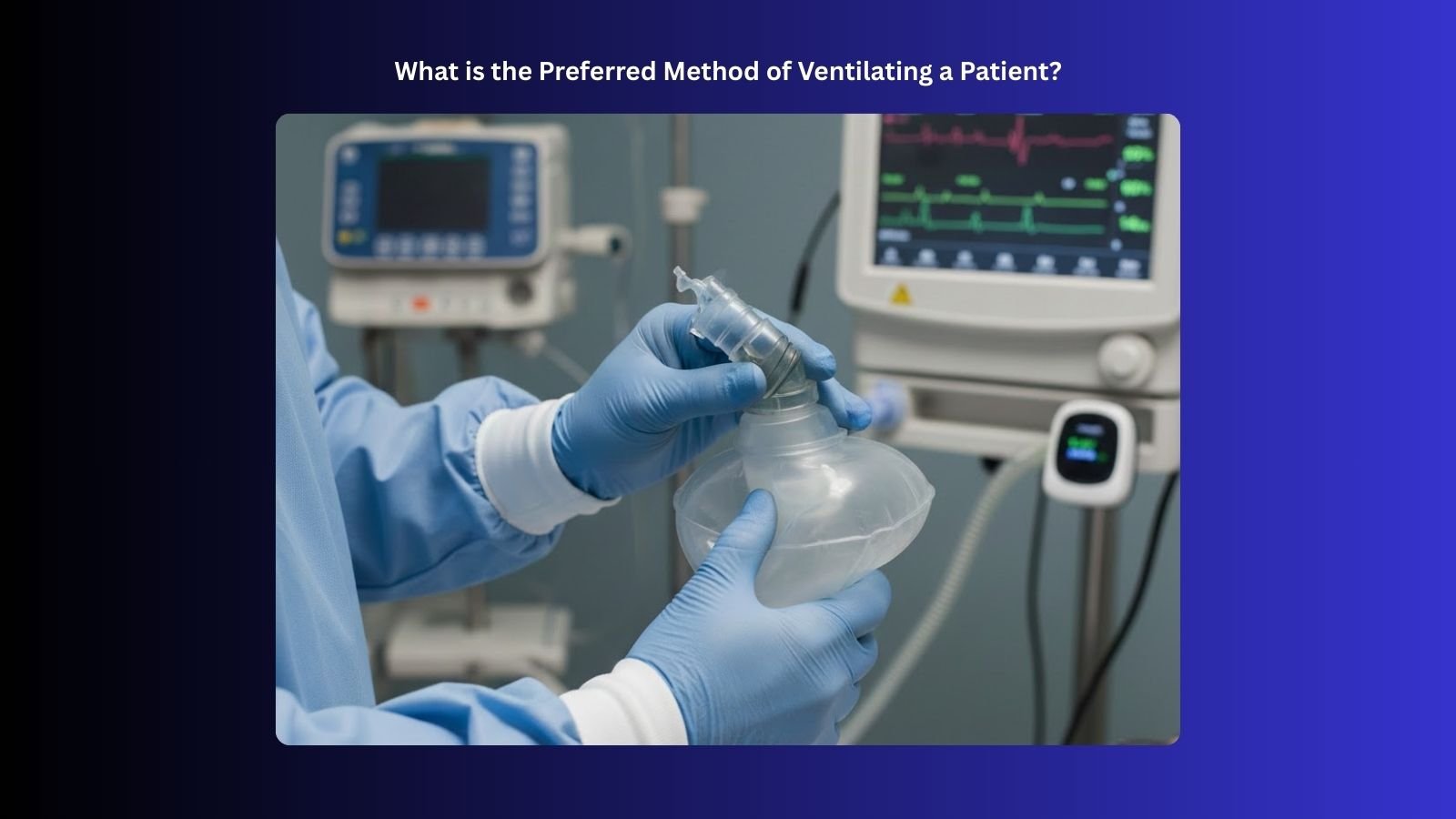
Among the various methods of providing ventilatory support, Bag-Valve-Mask (BVM) ventilation is generally considered the preferred method in emergencies due to its speed, effectiveness, and ease of use. This guide explains why BVM is preferred, the different ventilation methods, and practical steps to ensure safe and effective ventilation in any clinical or emergency setting.
Understanding Ventilation
Breathing is more than just air moving in and out of the lungs; it is about ensuring oxygen reaches the body and carbon dioxide is removed efficiently. Healthcare providers must understand ventilation principles to support patients safely.
1. Definition of Ventilation
Ventilation refers to the mechanical process of moving air into and out of the lungs. Effective ventilation ensures oxygen reaches the alveoli and carbon dioxide is expelled from the body. Without adequate ventilation, the body cannot maintain oxygen levels, potentially leading to organ damage or death.
2. Difference Between Ventilation and Oxygenation
It is important to distinguish between:
- Ventilation: The act of moving air into and out of the lungs.
- Oxygenation: The process of oxygen transferring from the lungs into the bloodstream.
A patient may be ventilating adequately but still have poor oxygenation if there is a problem with gas exchange, such as in severe pneumonia. Understanding this distinction is crucial when choosing the appropriate ventilation method.
3. Signs of Inadequate Ventilation
Healthcare providers should recognize the early signs of inadequate ventilation, including:
- Rapid or shallow breathing
- Labored or noisy breathing
- Cyanosis (bluish lips or fingertips)
- Confusion or altered mental status
- Decreased oxygen saturation
- Use of accessory muscles for breathing
Early recognition allows for timely intervention and selection of the most effective ventilation method.
Indications for Ventilating a Patient
Ventilation is required whenever a patient cannot maintain sufficient oxygenation or remove carbon dioxide effectively. Common scenarios include:
- Respiratory Failure: When lungs fail to supply oxygen or remove CO₂, ventilation supports breathing until the underlying issue is treated.
- Cardiac Arrest: During cardiac arrest, oxygen delivery to vital organs drops rapidly. Ventilation helps maintain oxygenation while life-saving interventions, like CPR, are performed.
- Trauma or Airway Obstruction: Injuries, swelling, or choking can block the airway. Ventilation maintains oxygen flow while the airway is cleared. You can learn more about what to do if you are alone and choking for quick, lifesaving steps.
- Other Critical Situations: Surgery, severe infections, or illnesses impairing respiration may require ventilatory support to prevent complications and improve recovery.
Methods of Ventilation
There are several methods of helping a patient breathe. Each has specific uses, but Bag-Valve-Mask (BVM) ventilation is the preferred method in emergencies because it provides rapid, effective oxygenation with minimal equipment and training.
1. Manual Ventilation
Manual ventilation uses devices or mouth-to-mouth techniques to deliver breaths.
- Bag-Valve-Mask (BVM) Ventilation: A self-inflating bag attached to a mask pushes air into the patient’s lungs. BVM is quick, reliable, and effective in most emergencies and it’s important to know what is the correct volume of air to deliver during BVM ventilations to avoid complications.
- Mouth-to-Mask Ventilation: An alternative when a BVM is unavailable.
Why BVM is Preferred
- Rapid and Non-Invasive: Provides immediate ventilation without intubation.
- Simplicity: Requires minimal training.
- Effectiveness: Can deliver adequate tidal volumes and oxygen when used correctly.
- Accessibility: Available in prehospital and hospital settings.
2. Mechanical Ventilation
Mechanical ventilators are used in hospital settings and critical care.
- Endotracheal Intubation: A tube is inserted into the airway for machine-controlled ventilation.
- Non-Invasive Ventilation (CPAP/BiPAP): Masks that help patients breathe without intubation.
While effective, these methods are less practical in sudden emergencies outside hospital settings.
3. Advanced Methods
Some situations require specialized airway devices:
- Supraglottic Airway Devices: Sit above the vocal cords to maintain an airway without full intubation.
- Specialized Pediatric or Neonatal Techniques: Tailored to smaller patients or trauma cases.
While important in certain scenarios, these methods are generally secondary to BVM for immediate emergency ventilation.
Step-by-Step Guide to Proper Ventilation
Using a BVM effectively can save lives. Here is a step-by-step approach:
1. Patient Positioning
- Lay the patient flat on a firm surface.
- Tilt the head slightly backward and lift the chin to open the airway.
- For suspected spinal injuries, use a jaw-thrust without head tilt.
2. Ensuring Airway Patency
- Check for obstructions (vomit, blood, foreign objects).
- Clear the airway if necessary.
- Use airway adjuncts like oropharyngeal or nasopharyngeal devices as needed.
3. Device Selection
- Choose the correct BVM size for the patient (adult, child, infant).
- Connect to supplemental oxygen if available.
- Ensure a snug mask fits over the patient’s nose and mouth.
4. Ventilation Rate and Volume
- Adults: 10–12 breaths per minute (1 every 5–6 seconds).
- Children/Infants: 20 breaths per minute (1 every 3 seconds).
- Give each breath over 1 second, just enough for a visible chest rise.
5. Monitoring Patient Response
- Watch for chest rise and fall.
- Listen for breath sounds and feel for exhaled air.
- Check oxygen saturation if a monitor is available.
- Adjust ventilation if the chest does not rise or oxygenation is inadequate.
Common Mistakes and How to Avoid Them
Even small errors with a BVM can reduce ventilation effectiveness:
- Over-Ventilation: Avoid giving too many breaths or squeezing too hard; follow recommended rates.
- Poor Seal or Airway Obstruction: Ensure proper head positioning and mask fit; use adjuncts if needed.
- Incorrect Rate or Volume: Give each breath over one second with visible chest rise only.
- Device-Specific Errors: Use the correct BVM size, connect oxygen properly, and squeeze the bag gently.
Monitoring and Troubleshooting
Continuous monitoring ensures ventilation is effective:
- Signs of Effective Ventilation: Chest rises visibly, breath sounds are heard, skin color improves, and oxygen saturation rises.
- Adjustments: Reposition head, clear obstruction, or adjust rate/volume as needed.
- Escalation: If oxygenation remains inadequate, consider advanced airway placement or additional help.
Ventilation in action: BVM
In short, ventilating a patient is a critical skill that can save lives in emergencies and other serious situations. Among the available methods, Bag-Valve-Mask ventilation stands out for its speed, reliability, and simplicity. By understanding proper patient positioning, airway management, and correct ventilation rates, healthcare providers can deliver oxygen effectively and prevent complications. Paying close attention to the patient’s response and avoiding common mistakes ensures that ventilation works as intended. With practice and careful monitoring, anyone trained in BVM use can provide confident, lifesaving support when it matters most.
Don’t put preparedness on hold, enroll in a CPR class today. Bayside CPR delivers quick, flexible lifesaving training that fits effortlessly into even the busiest schedules. Start by completing a brief online course, then attend a 30-minute hands-on skills session at one of our 60+ locations. Earn your AHA course completion card in ACLS, BLS, PALS, CPR, or First Aid, and receive your official card the same day, making it easier than ever to get trained and ready to respond.