
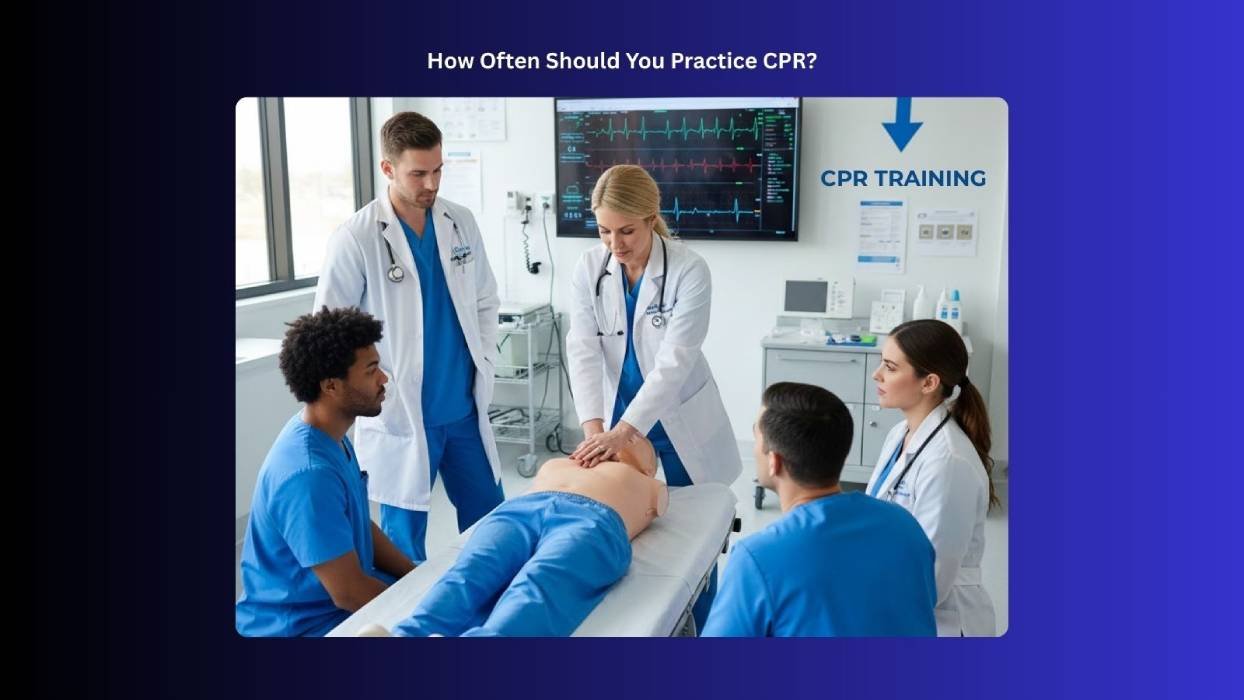
You should practice CPR (Cardiopulmonary Resuscitation) regularly to keep your skills sharp and your confidence high in an emergency. Even if you’re CPR trained, techniques for chest compressions, hand placement, and rescue breaths can fade over time, so it’s a good idea to refresh your skills at least once a year. If possible, try practicing every six months- short, hands-on sessions with a manikin or participating in a simulation drill work best. Watching refresher videos or using apps can help, but nothing beats physically going through the motions. Regular practice not only reinforces muscle memory but also helps you stay calm and effective in real-life situations. Keeping up with practice also ensures you stay current with any updates to CPR guidelines, so you’re always ready to save a life. In this guide, you will learn how often to refresh your skills, why consistent practice matters, and what experts recommend for both everyday learners and trained professionals.
Official Guidelines for CPR Practice and Renewal
If you want to stay confident and ready to act in an emergency, understanding the official guidelines is a great place to start. The American Heart Association, or AHA, is the main organization that sets recommendations for CPR training and renewal. They make it clear that learning CPR once is not enough to keep your skills sharp.
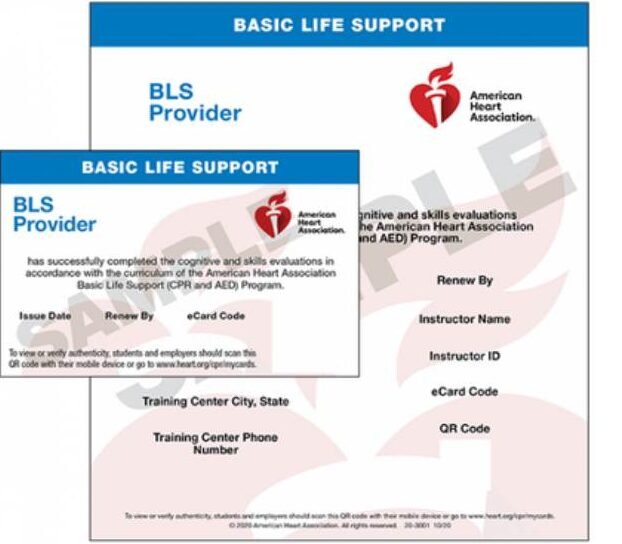
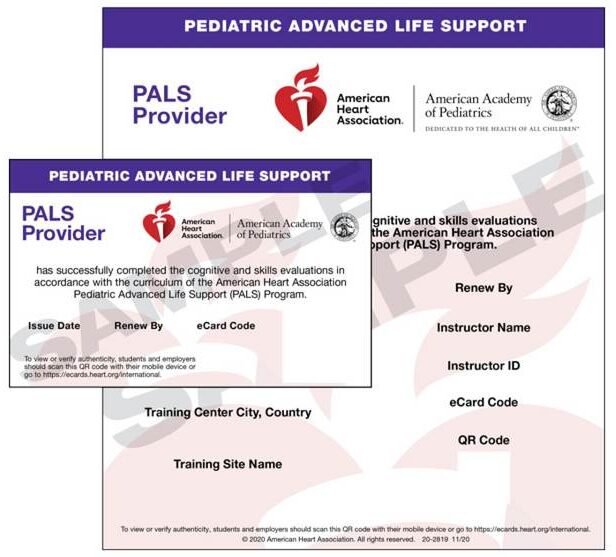
CPR provider card valid for two years. That includes Basic Life Support, or BLS for adults and children, Advanced Cardiovascular Life Support, or ACLS, for healthcare professionals, and Pediatric Advanced Life Support, or PALS for anyone working with infants and kids. Even though your card is valid for two years, research shows your actual skills can start to fade much sooner.
That’s why the AHA recommends short, regular practice sessions in between formal classes. Practicing a little every few months keeps your hands and mind ready. It helps you maintain the correct rhythm, hand placement, and compression depth so that if a real emergency happens, you can respond quickly and confidently.
By following these official guidelines, you’re not just keeping up with AHA training requirements. You’re making sure that when someone’s life depends on you, your CPR skills are sharp and reliable.
Why You Should Practice CPR More Often Than Required?
Even if your CPR course completion card is current, practicing more often than the minimum can make a huge difference. Emergencies rarely follow a schedule, and being ready means more than just holding a valid card.
- Builds Confidence: Practicing CPR often makes you feel more confident. In an emergency, you act quickly without panicking.
- Improves Skill Accuracy: Regular practice helps you perform chest compressions and breaths correctly. Your hands and memory remember the right pace and depth naturally.
- Reduces Mistakes in Real Situations: Frequent training lowers the chances of doing CPR incorrectly. You respond calmly and follow the steps accurately under pressure.
- Keeps Knowledge Fresh: CPR guidelines can change over time. Practicing keeps you up to date and ready to save a life anytime.
- Helps Others Trust You: People feel safer when they see someone confident in CPR. Your readiness can inspire others to help and stay calm, too.
How Often Should Laypersons Practice CPR?
Even if you’re not a healthcare professional, knowing CPR can make a huge difference in emergencies. For laypersons, parents, teachers, caregivers, or anyone wanting to be prepared, the frequency of practice matters as much as learning the technique correctly.
1. Ideal Refresh Frequency
Most experts recommend practicing CPR every 3–6 months. This doesn’t necessarily mean a full formal class each time; short, focused practice sessions on compression depth, rate, and hand placement can keep your skills sharp.
2. Hands-Only CPR Practice
Hands-only CPR is effective for adults and easier for laypersons to remember. Practicing chest compressions regularly, even on a simple manikin or a firm surface—helps reinforce proper rhythm and pressure.
3. Situations That Require More Frequent Practice
- Parents of Infants and Young Children: Infant CPR techniques differ from adults’, so regular refreshers are critical. This is why CPR training for parents is important to ensure they are confident and prepared in an emergency.
- Caregivers or School Staff: Being responsible for others’ safety requires consistent skills.
- Anyone with Previous Gaps in Practice: If it’s been longer than six months since your last session, a refresher is strongly advised.
4. Tips for Effective Practice
- Use a CPR manikin or even a firm pillow for compression practice.
- Follow a metronome or app to maintain the correct compression rate (100–120 per minute).
- Practice using an AED (Automated External Defibrillator) trainer if possible.
- Repeat drills in short sessions; frequent practice is more effective than rare, long sessions.
By maintaining regular practice, laypersons can gain confidence, perform CPR more effectively, and increase the chance of saving a life during a sudden cardiac emergency.
How Often Should Healthcare Providers Practice CPR?
Healthcare providers face unique responsibilities when it comes to CPR. Unlike laypersons, they are expected to perform under high-pressure conditions and often as part of a team. This makes regular, structured practice essential.
1. BLS Provider Expectations
For BLS-trained professionals, maintaining skills goes beyond simply having a valid card. Employers and regulatory bodies expect healthcare providers to remain confident and competent in chest compressions, ventilations, and AED use. Even small errors can impact patient outcomes, making frequent practice critical.
Want to Learn More? Discover the Key Differences Between CPR and BLS
2. Recommended Monthly or Quarterly Practice
Although formal card renewal occurs every two years, research and expert recommendations advise that healthcare providers practice CPR skills monthly, or at a minimum, quarterly. Frequent, shorter sessions help reinforce technique, build muscle memory, and maintain confidence for real emergencies.
3. High-Performance CPR Considerations
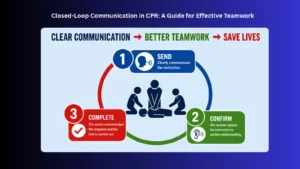
In hospitals or emergency settings, high-performance CPR emphasizes teamwork, communication, and minimizing interruptions in compressions. Practicing these advanced skills regularly ensures providers can deliver coordinated, efficient resuscitation under pressure.
4. Simulation Training Benefits
Simulation-based practice is invaluable for healthcare providers. Using realistic scenarios and manikins:
- Allows providers to rehearse rare but critical emergencies.
- Builds decision-making skills in stressful situations.
- Reinforces both individual and team-based CPR performance.
- Helps integrate new guideline updates into practice.
By combining frequent individual practice with team-based simulations, healthcare providers maintain readiness, improve patient outcomes, and confidently respond to cardiac emergencies at any time.
Best Ways to Practice CPR Between Card
Maintaining your CPR skills between cards can significantly improve your performance in an emergency. Practicing often helps you feel confident and ready to act when someone needs help.
1. Using a CPR Manikin or Home Practice Tool
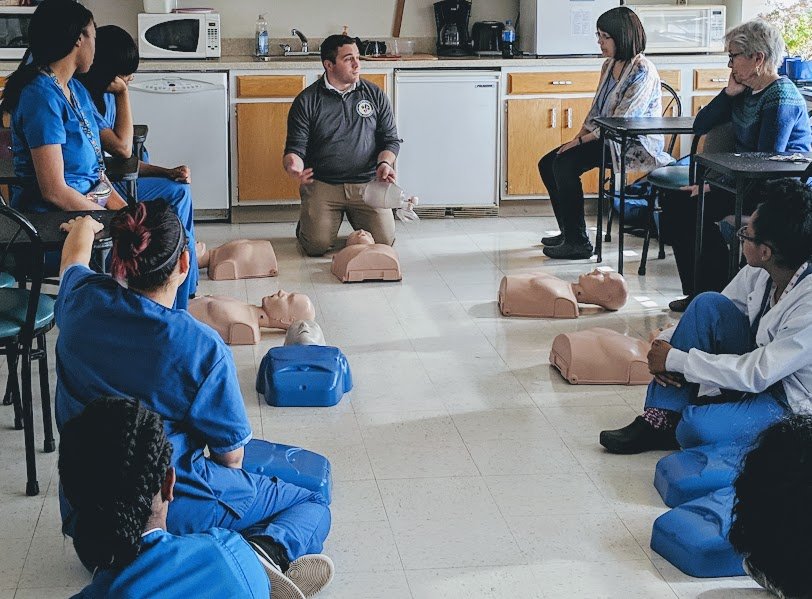
Practice chest compressions on a manikin or home tool to stay familiar with the motion. Adjust your hand placement, try different rhythms, and build confidence at your own pace. Regular practice helps you react faster in real emergencies.
2. Local CPR Classes or Refresher Workshops
Instructors guide you in local classes or refresher workshops, correcting your technique and pointing out improvements. You practice key skills under supervision, which boosts your confidence and prepares you to respond quickly.
3. Online Refreshers and Video Drills
Watch online videos and follow along with practice drills to keep your memory fresh. Pause, repeat, and perform each step just like the instructor. This approach helps you stay sharp even when life gets busy.
4. Workplace Drills
Participate in workplace drills to rehearse emergency responses with your team. Learn to move quickly, communicate clearly, and act decisively. These sessions make you feel more prepared for real situations.
5. Practicing AED Steps with a Trainer Device
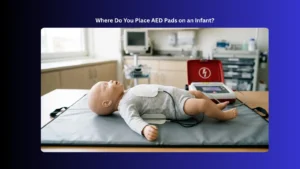
Handle an AED trainer to practice each step safely. Turn it on, place the pads, and follow the prompts with confidence. Repeating these actions makes the process feel natural in a real emergency.
Signs You Should Increase CPR Practice Frequency
Even if you are trained, your CPR skills can fade over time. Paying attention to certain signs helps you know when to practice more and stay ready.
1. Feeling Unsure About the Steps
You feel uncertain or second-guess yourself when you need extra practice. Going over the steps often helps you act confidently and stay calm in real emergencies.
2. Forgetting Compression Depth or Rate
You forget how deep or fast to press when your skills need a refresher. Repeating the motions builds muscle memory and makes your actions automatic.
3. Hesitation During Simulations
You hesitate or pause during practice drills when you need more repetition. Practicing under different scenarios trains you to respond quickly without overthinking.
4. Time Since Last Training
Your skills can fade if you wait too long between cards. Reviewing key techniques regularly keeps your knowledge sharp and ready for emergencies.
5. Not Staying Updated with the New CPR Guideline Changes
You risk missing important steps if you ignore updated CPR guidelines. Learning why AHA guideline updates matter in everyday CPR and practicing with the latest recommendations ensures you give care safely and effectively.
Stay Ready with Regular CPR Practice
In summary, regular CPR practice keeps your skills strong and your confidence high. Whether you’re a parent, teacher, or healthcare provider, spending a little time each month or every few months refreshing your techniques can make a huge difference in an emergency. Understanding the importance of regular CPR training and practicing chest compressions, rescue breaths, and AED use helps you act quickly and correctly when it matters most.
The more you repeat the steps, the more natural they become, helping you stay calm and ready to save a life at any time. When emergencies arise, preparation matters. Bayside CPR makes getting CPR training quick and easy. Complete a brief online course, then join a 30-minute hands-on skills session at one of our 60+ locations to earn your AHA course completion card the same day, ready to step in when it matters most. We also offer other advanced classes, including ACLS, BLS, and PALS.