
For healthcare professionals, a current Basic Life Support (BLS) provider card is the non-negotiable starting line for employment. It’s the official credential confirming you can perform high-quality CPR, use an AED, and clear airways in patients of all ages.
But viewing BLS as just a box to check underestimates its value. This single card does more than get you hired; it ensures you stay employed, opens doors to advancement, and marks you as a prepared professional in a competitive field.
This article explains exactly what a BLS card is, which healthcare professions require it, the key benefits of holding one, and how to keep your credential current.
What Exactly is a BLS Provider Card?
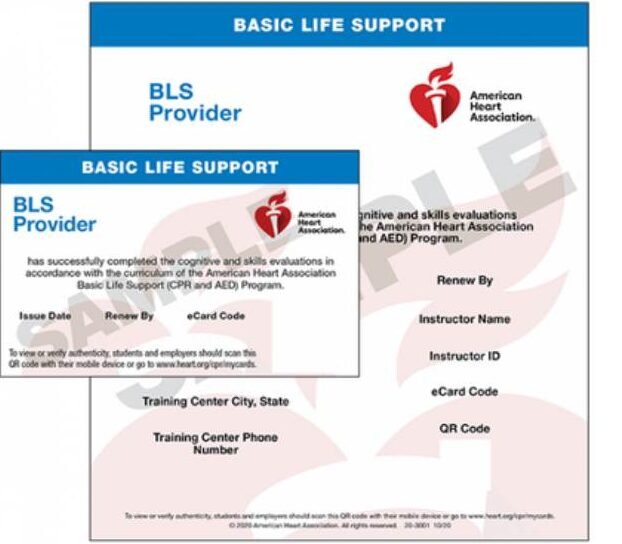
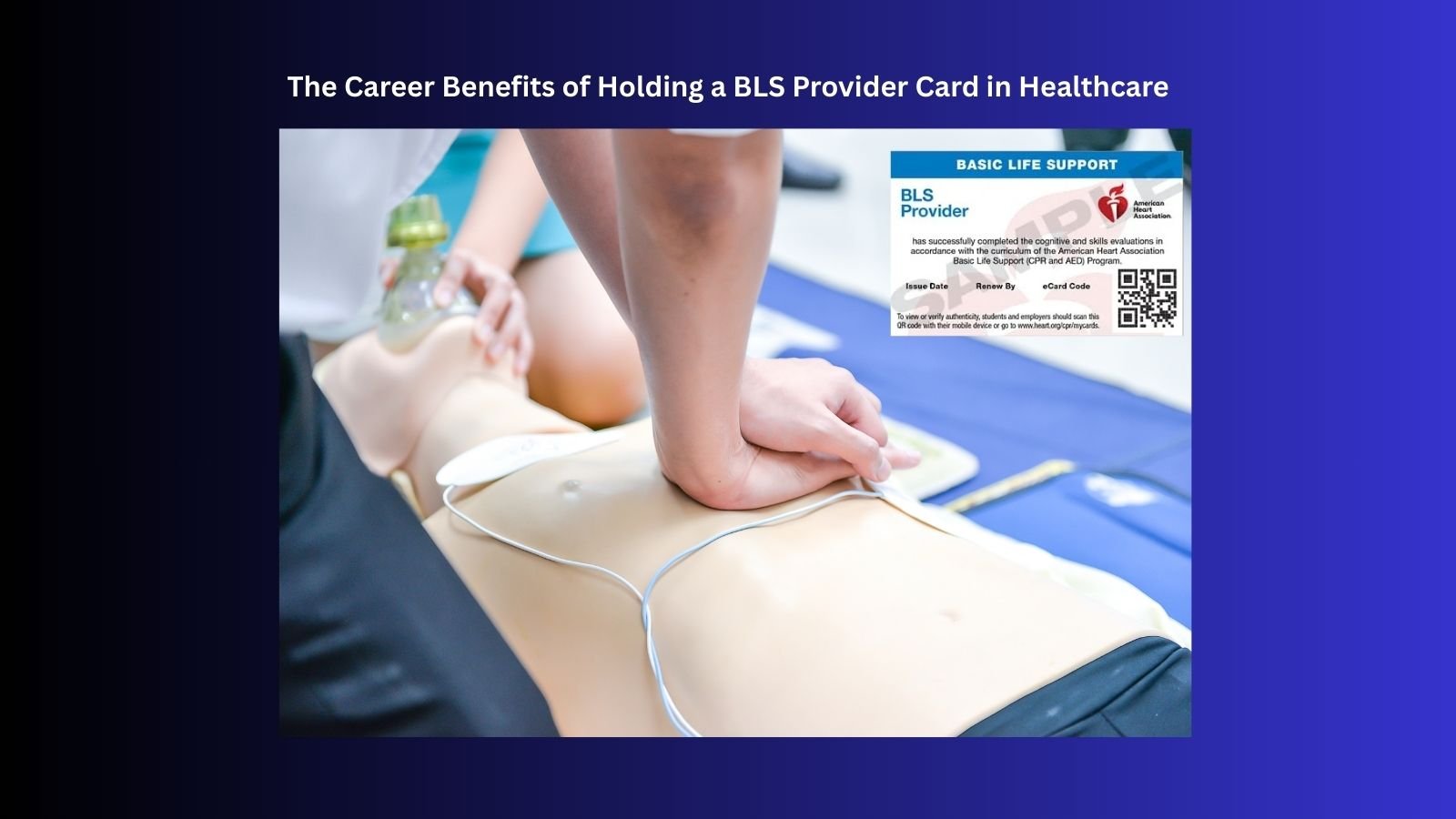
Before diving into the career advantages, it is important to understand what the card represents. BLS stands for Basic Life Support. While the general public often uses “CPR” to describe life-saving techniques, a BLS course completion card is the advanced, standardized credential required for healthcare providers.
Holding a BLS provider card signals to employers that you do not just know how to push on a chest; you understand the systematic, team-based approach required to resuscitate a patient in a clinical setting.
Which Healthcare Roles Require a BLS Provider Card?
If you are wondering exactly which careers require this credential, here are the main areas where the BLS acts as the gateway to employment:
- Nurses(RN/LPN): Required for all hospital-based roles, from med-surg to the ICU. Without BLS, you cannot start orientation.
- Allied Health Professionals: Respiratory therapists, radiology techs, phlebotomists, and physical therapy assistants must hold current credentials before touching a patient.
- Dental Professionals: Dental hygienists and assistants need BLS to handle medical emergencies that can happen in the chair, like a patient fainting or having an allergic reaction.
- Emergency Medical Services (EMTs and Paramedics): BLS is the foundation of pre-hospital care. These professionals use these skills on every call.
- Medical Assistants: Often working in private practices, these professionals are the first line of defense in an office emergency. Maintaining a BLS course completion card protects their license and their patients.
- Future Healthcare Students: If you are applying to nursing school, paramedic programs, or respiratory therapy programs, completing AHA CPR training is a requirement for admission. Clinical sites require proof before students are allowed to treat patients. Getting your provider card early shows admissions committees that you are serious and prepared.
What Are the Immediate Benefits of a BLS Provider Card for Healthcare Professionals?
The most immediate benefit of completing AHA CPR training for healthcare jobs is simple: you cannot get hired without it. This isn’t just a suggestion from employers; it’s a firm rule. Hospitals and clinics are legally required to ensure their staff can respond to emergencies. Because of this, an active BLS provider card is treated just like your government-issued ID or your social security card during the hiring process, it’s non-negotiable paperwork. Human resources departments will literally stop your application if you try to submit it without a current BLS provider number and expiration date. But getting hired is just the beginning. Some other benefits are:
Job Security:
Once you are hired, keeping your BLS current protects your position. If your card expires, the hospital’s compliance department will notice, and you could be pulled from the schedule until you fix it. This means lost shifts and lost pay.
Life-Saving Skills:
Beyond the paperwork, BLS gives you the actual ability to save a life. Statistics from the CDC and AHA show that immediate, high-quality CPR can double or triple a victim’s chance of survival. In a hospital setting, the first person to respond is often not a doctor but a nurse, tech, or medical assistant. A BLS-trained staff member ensures that the patient receives blood flow to the brain immediately, buying crucial time for the advanced cardiac life support team to arrive. Knowing that your hands can make the difference between life and death adds a deep sense of purpose to your daily work.
Teamwork and Communication:
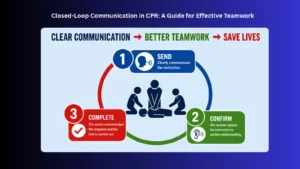
BLS training is not just about individual skills; it teaches you how to function within a team. During a code blue, chaos can erupt quickly. BLS protocols train you to work in a multi-rescuer team, smoothly switching roles with others to limit pauses in chest compressions. You learn clear communication commands like “Switch roles” or “Stop compressions.” This ability to stay calm and communicate clearly during a crisis is a skill that managers notice and value highly when considering staff for leadership roles.
Confidence on the Floor:
New healthcare workers often fear “freezing” during a real emergency. BLS training replaces panic with a clear plan. The repeated practice of the steps(check responsiveness, call for help, check pulse, start compressions) builds muscle memory. This confidence allows newer staff to step up and help effectively during a code blue rather than stepping back.
Gateway to More Money:
Holding a BLS provider card keeps you eligible for cross-training. If you want to move from a general floor to a higher-paying department like the ICU or ER, you will need advanced credentials. You cannot get those without a current BLS provider card first.
How and When Should You Renew Your BLS Provider Card?
Getting your initial credential is only half the battle. The benefits of BLS training are tied to your card being current. AHA BLS provider cards are valid for two years. Healthcare facilities track these expirations closely. If your card lapses, you are technically not meeting hospital policy. To keep being able to work without a break, it is recommended to renew your credentials at least 30-60 days before expiration.
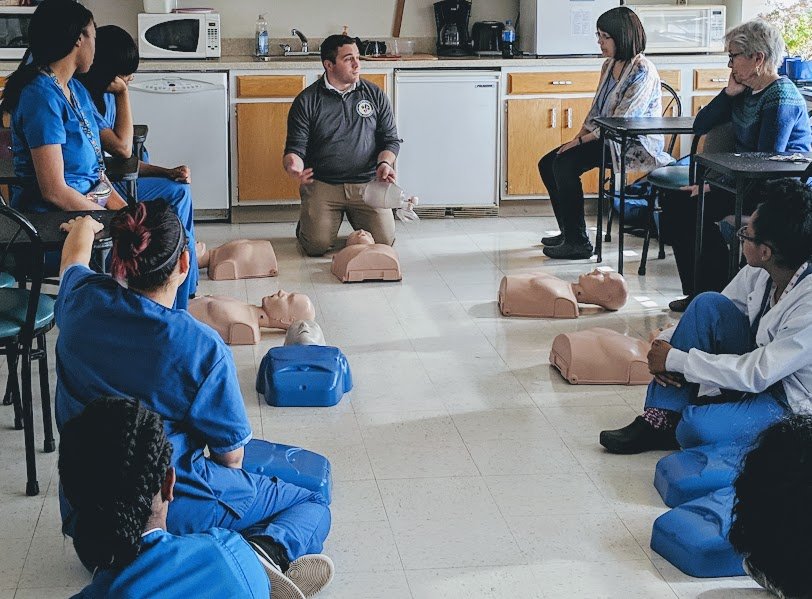
Many professionals choose blended learning (often called Heart Code BLS). This allows them to complete the cognitive portion online(reviewing videos and answering questions at their own pace). Then, they attend a brief in-person skills session with an instructor to complete the hands-on skills evaluation and show they can perform the techniques correctly. This flexibility ensures that busy work and school schedules do not get in the way of staying compliant.
Note: If your BLS card is damaged or lost you can also replace your card through your AHA card provider.
Why Renewing Your Card is Necessary for Healthcare Professionals
Renewing on time is not just about paperwork; it is about protecting your ability to earn a living. Here is why it matters:
- Prevents Removal from Schedules: Many hospitals automatically suspend staff with expired credentials. You cannot work until you show proof of renewal.
- Avoids Hiring Delays: If you apply for a new job or a travel contract with an expired card, the credentialing process stops. This can cost you the job offer or delay your start date by weeks.
- Keeps Skills Sharp: Medical guidelines change. The AHA updates its recommendations based on new science. Renewing ensures you know the latest techniques for compression depth, rate, and how to handle opioid-associated emergencies.
- Maintains Legal Protection: Working in a patient-facing role without an active BLS provider card puts the professional and the facility at legal risk. Staying current keeps you safely within your scope of practice.
| Aspect of BLS | Why It Matters for Your Career |
| Initial Training | Required for entry into nursing/EMT programs and all direct patient care roles. |
| Renewal (Every 2 Years) | Prevents suspension from work; proves skills are current with latest AHA guidelines. |
| Expired Card | Leads to immediate loss of work hours, delayed hiring, and inability to work. |
Ready to Start or Advance Your Healthcare Career?
The path to a successful healthcare career is paved with credentials, but the Basic Life Support (BLS) provider card is the foundation. It unlocks the door to clinical education, satisfies employer requirements, and ensures you remain ready to work. The career benefits of a BLS card extend from the moment you submit your first job application to the day you lead a code team in the ICU. It is proof that you have the basic skills to save a life and work effectively within a team of professionals.
Do not let an expired card or a missing credential stop your momentum. If you are entering the field or due for renewal, secure your professional foundation today. Check out our BLS Courses to ensure your credentials remain active and your career stays on track.