
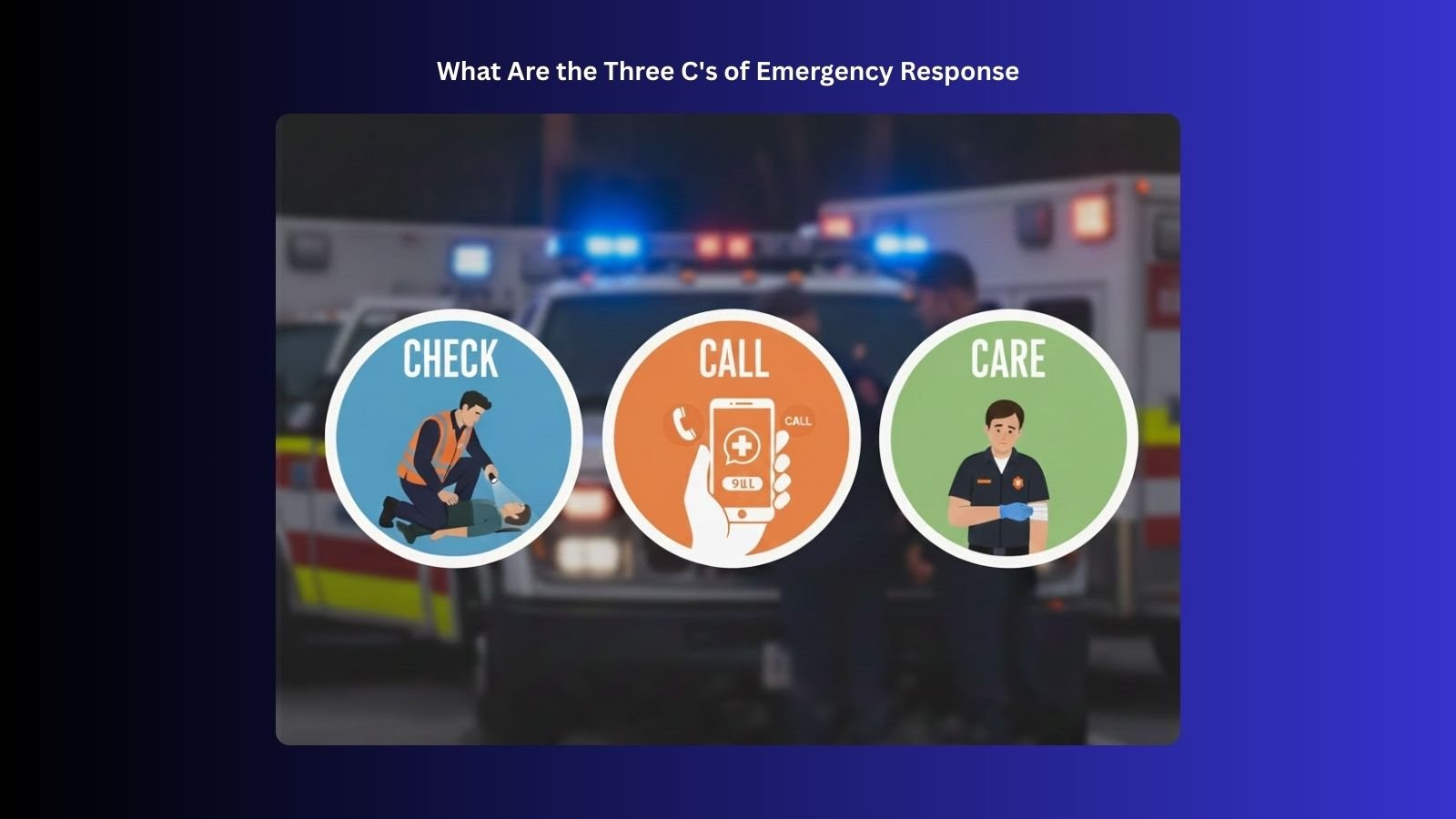
Emergencies can happen anywhere and at any time, from car crashes and cardiac arrest to choking, heavy bleeding, or electrical shocks. Knowing how to respond can save lives, prevent injuries, and keep you and others safe. That’s where the Three C’s of emergency response Check, Call, and Care come into play. This simple, memorable system guides you step-by-step, helping you stay calm, act quickly, and deliver effective first aid until professional help arrives. Whether you’re dealing with a minor injury or a life-threatening situation, understanding the Three C’s and the crucial role of CPR and first aid in emergencies can make all the difference.
Check: Evaluate the Situation
The first step, Check, focuses on evaluating the situation to ensure safety before doing anything else. Start by checking the scene for any hazards, such as fire, traffic, electrical wires, or unstable structures, to make sure it’s safe for you to approach. Once the area is secure, check the victim for responsiveness and normal breathing, and look for any obvious injuries or medical conditions that may need immediate attention. This step is crucial because it prevents additional injuries to you or others, and it helps you quickly decide what actions to take next. For example, in a car accident, you would first make sure no vehicles are approaching and that there are no fire risks before going to assist the injured person.
Call: Activate Emergency Assistance
Once you’ve confirmed the scene is safe, the next step is to call for help. Dial your local emergency number, such as 911 in the U.S., and give clear details about your location, how many people are injured, and what type of emergency you’re dealing with. If there are bystanders nearby, ask them to help; someone might know CPR, have a first aid kit, or be able to meet and guide emergency responders. Calling quickly is essential because it gets professional help on the way fast, and coordinated action in those first moments can save valuable time and lives. For example, if someone starts choking in a restaurant, you should call 911 right away while directing others to step in and assist. For guidance on providing immediate aid, you can also review how CPR differs in an unresponsive adult choking victim.
Care: Provide First Aid
The final step is Care, which means helping the person as best as you can until professional help arrives. This may include giving basic assistance like performing CPR, controlling bleeding, or helping someone who is in shock, always staying within what you know is safe to do. Use any available tools, such as first aid kits, AEDs, or even clean cloths, to provide comfort and support. Throughout your care, stay calm and reassuring by speaking gently and keeping an eye on the person’s breathing and level of responsiveness. This step matters because early care can prevent injuries from getting worse and can even save a life. For example, if someone has a burn, you can cool the area with water, cover it with a clean cloth, and watch them closely for signs of shock.
Special Considerations
While Check, Call, and Care form the core framework, there are some additional factors to keep in mind.
1. Legal and Safety Awareness
In most places, Good Samaritan laws protect people who provide reasonable assistance in emergencies. Still, it’s essential to avoid putting yourself at risk. Never enter a dangerous scene without first ensuring your safety.
2. Emotional Preparedness
Emergencies are stressful. Staying calm helps you think clearly and act effectively. Deep breathing, focusing on one step at a time, and keeping a clear head are as important as physical first aid skills. If children, the elderly, or others are involved, reassure them and guide them safely.
3. Situational Priorities
Sometimes, not all steps happen linearly. For example, if a scene is unsafe (like a fire or a downed power line), you may need to extend the Check phase before moving to Care. Flexibility and good judgment are essential, and in extreme situations, knowing what to do if someone is on fire can guide your immediate actions safely.
Teamwork in Emergency Response
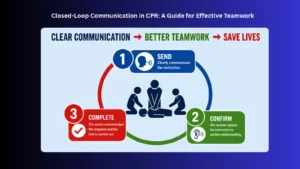
While the core Three C’s: Check, Call, and Care, guide individual actions, teamwork is crucial during emergencies. Effective collaboration ensures that everyone acts efficiently, stays safe, and provides the best possible care. Teamwork in emergency response can be understood through three complementary principles: Communication, Coordination, and Cooperation.
1. Communication
Clear communication ensures that every responder knows what’s happening, what their role is, and what actions need to be taken. Sharing accurate information quickly helps prevent mistakes, reduces confusion, and ensures everyone can act confidently under pressure.
2. Coordination
Coordination allows team members to divide responsibilities efficiently. Assigning tasks based on skills and availability ensures that multiple actions, like calling emergency services, performing CPR, and attending to other injuries, happen simultaneously and effectively.
3. Cooperation
Cooperation reflects the team’s willingness to work together toward a common goal. Trust, support, and a shared sense of purpose help responders stay calm and focused, even in high-stress situations, ultimately improving outcomes for the patient.
Tip: Think of teamwork as a force multiplier. When one person knows the Three C’s and the team works together, the response is faster, safer, and more effective.
Practice and Remember the Three C’s
The Three C’s are simple to understand but need practice to become automatic. The more you rehearse, the more confident you will feel during a real emergency.
- Mnemonic for Quick Recall: Keep Check, Call, Care at the forefront of your mind. In an emergency, this simple phrase helps you act quickly without forgetting essential steps.
- Drills and Repetition: Practice scenarios at home, school, or work. Role-playing emergencies like choking, cuts, or fainting helps make your response automatic. Even a few minutes a week can build lasting confidence.
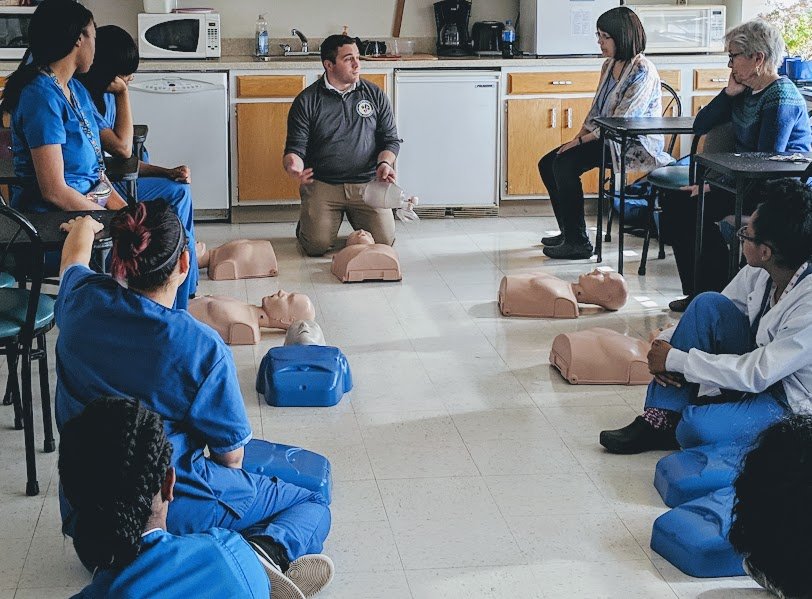
- Additional Resources: Consider enrolling in a recognized CPR and First Aid course through the AHA or local emergency services. These courses provide hands-on practice and teach you advanced skills for handling a variety of situations. Official resources are also available online for reference and guidance.
Remember the Three C’s: Act With Confidence
In short, knowing the Three C’s—Check, Call, and Care—gives you a simple roadmap to follow when emergencies strike. By staying aware of your surroundings, reaching out for help quickly, and providing thoughtful care, you can make a real difference in someone’s safety and well-being. Practicing these steps and working together with others builds confidence and ensures you stay calm. Emergencies are unpredictable, but understanding and remembering the Three C’s helps you respond effectively, protect yourself, and give someone the best chance until professional help arrives.
Be ready to act in an emergency. Bayside CPR offers easy, convenient lifesaving CPR training for busy schedules. Complete a short online course, followed by a 30-minute in-person skills session at one of our 60+ locations, to earn your course completion card the same day and be prepared to respond with confidence. We also offer other advanced courses, such as BLS, ACLS, and PALS.