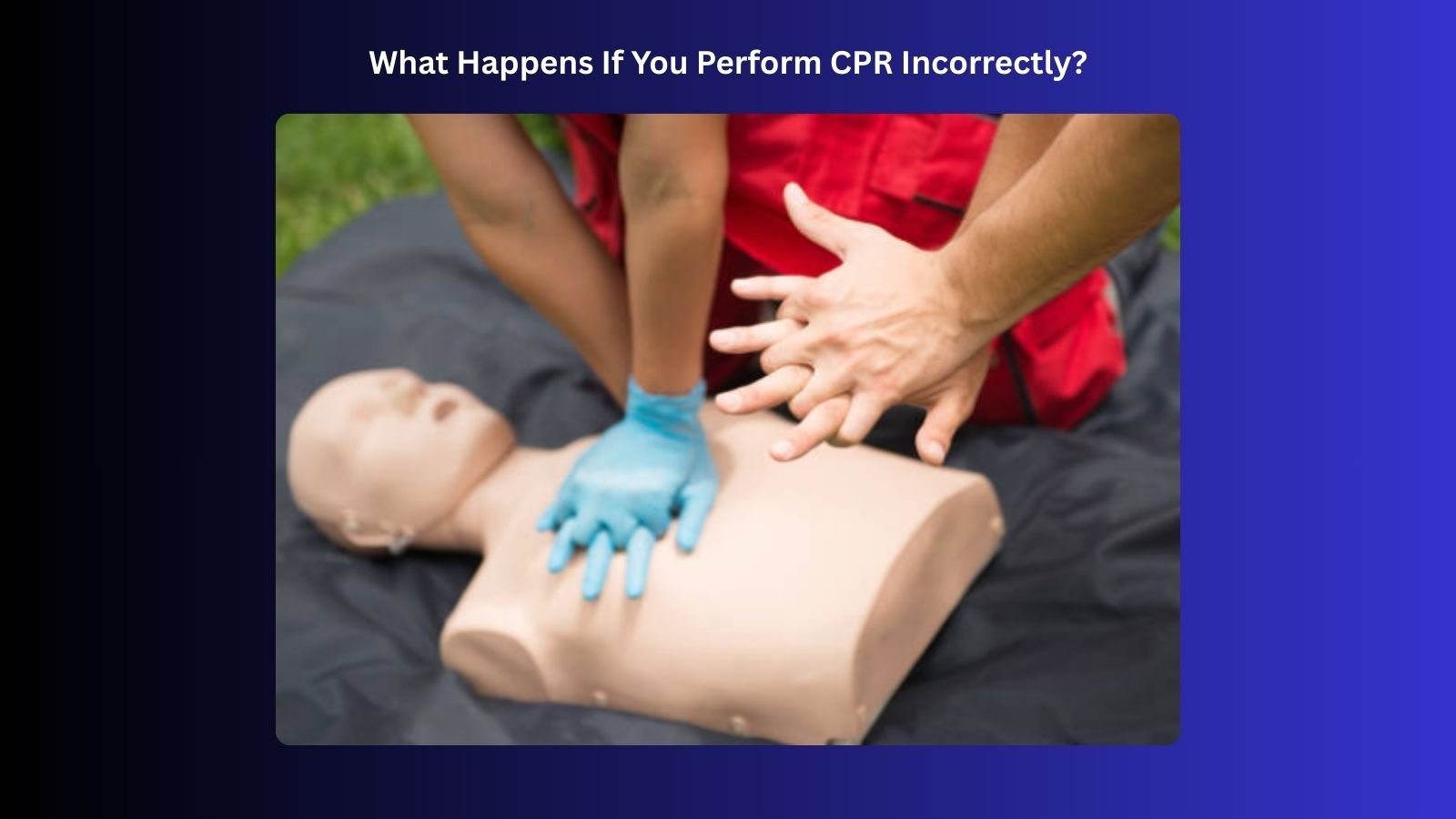

It’s a scary thought, but doing CPR the wrong way can sometimes cause more harm than good. If you press too hard or in the wrong spot, you might break ribs, damage internal organs, or miss the heart completely, making your efforts ineffective. Inco...
Read More ›CPR certification is an essential credential for healthcare professionals and others who may need to respond to medical emergencies. However, many people aren’t fully aware that CPR certification is not permanent as it expires and requires renewal....
Read More ›Yes, you can take CPR classes even if you don’t have a medical background. Cardiopulmonary resuscitation, or CPR, is a vital and urgent technique designed to help someone whose heart has stopped beating or who has stopped breathing effectively. Its...
Read More ›When we think of CPR (Cardiopulmonary Resuscitation), we often imagine emergency responders or hospital staff rushing to save lives. But CPR skills extend far beyond emergency rooms. Whether you’re a doctor, nurse, teacher, coach, or office man...
Read More ›CPR (cardiopulmonary resuscitation) is a critical intervention that can mean the difference between survival and death during an emergency. It involves delivering chest compressions and rescue breaths to a person who isn’t breathing or whose heart ...
Read More ›Choosing the right CPR certification is an important step, whether you’re a healthcare worker, a teacher, a parent, or someone who simply wants to be prepared in an emergency. At Bayside CPR, we often get asked which is better: online CPR certifica...
Read More ›