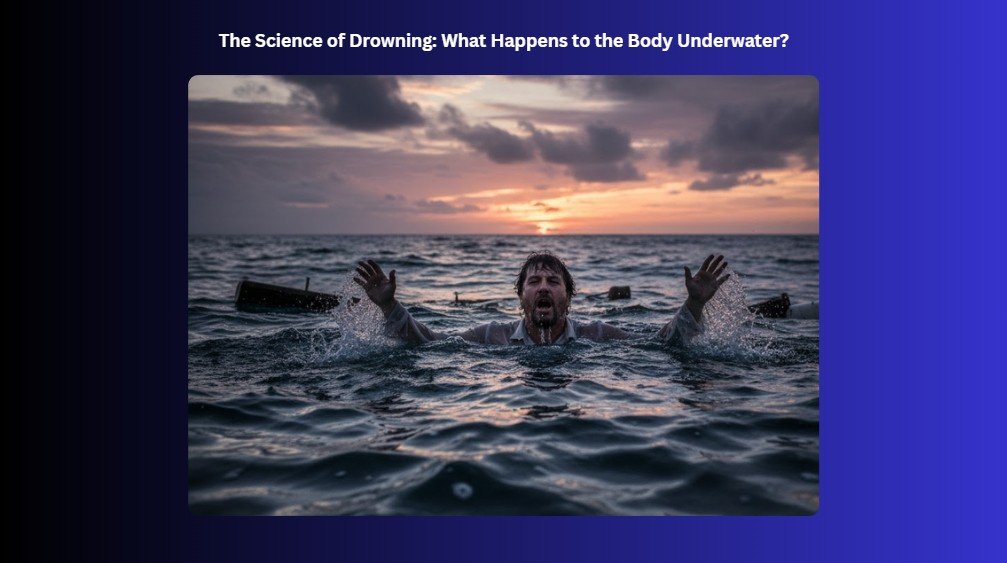

Drowning occurs when a person’s breathing is impaired after being submerged or immersed in liquid. According to the World Health Organization (WHO), drowning causes around 300,000 deaths worldwide each year, with children under 5 accounting for nea...
Read More ›Broken Heart Syndrome (takotsubo cardiomyopathy or stress cardiomyopathy) is a sudden heart condition that often happens after a person experiences extreme stress or intense emotions like grief, fear, or shock. It can feel very much like a heart atta...
Read More ›Sudden cardiac arrest, or SCA, happens when the heart suddenly stops beating, and blood stops flowing to the body and brain. During SCA, a person can collapse, lose consciousness, and stop breathing almost immediately. While it is rare in pregnant wo...
Read More ›When a person suddenly collapses and stops breathing, it’s a medical emergency called cardiac arrest. In such cases, using an AED (Automated External Defibrillator) can help restart the heart. But what happens if the person in cardiac arrest is pre...
Read More ›If you ever find yourself performing CPR and the person doesn’t survive, you might worry about being charged or blamed. People often worry about legal trouble after a rescue, whether they are a bystander or a trained professional. In reality, most ...
Read More ›When someone gets electrocuted, it can be scary and overwhelming, but responding quickly can make a huge difference. Electricity can stop the heart, affect breathing, or cause serious injuries in seconds. First, keep yourself safe by ensuring the pow...
Read More ›