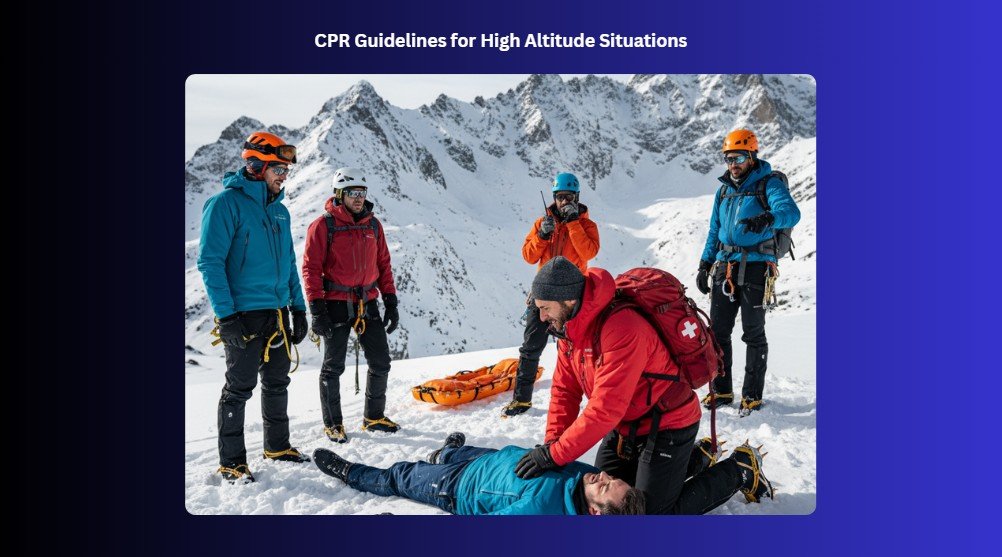

Going to high-altitude areas like snowy mountains, green hills, or remote trails can be exciting, but it also comes with unique risks. Accidents or sudden health emergencies can happen far from help, and sometimes there is little to no phone signal. ...
Read More ›Hot water burns or scalds can happen in an instant, whether it’s from spilling a cup of coffee, touching hot tap water, or cooking in the kitchen. The study done by Journalists Resource has shown that around 486,000 people in the U.S. experience sc...
Read More ›When a child is in shock, their body is not getting enough blood and oxygen to the organs, which can quickly become life-threatening. Pediatric patients, especially infants and young children, are particularly vulnerable due to their physiological ch...
Read More ›The Adult Chain of Survival is a series of steps that help guide rescuers, healthcare providers, and bystanders in giving the best possible care until the person’s heart and breathing are restored. These steps are designed to work together, forming...
Read More ›CPR (cardiopulmonary resuscitation) can mean the difference between life and death, and knowing how to do it correctly is more important than ever. For years, people learned CPR through in-person classes, mannequins, and printed guides. While these m...
Read More ›Heart medications play a big role in helping people manage different heart conditions and live healthier lives. These medicines work in various ways, such as lowering blood pressure, improving blood flow, or keeping your heartbeat steady. Doctors oft...
Read More ›