
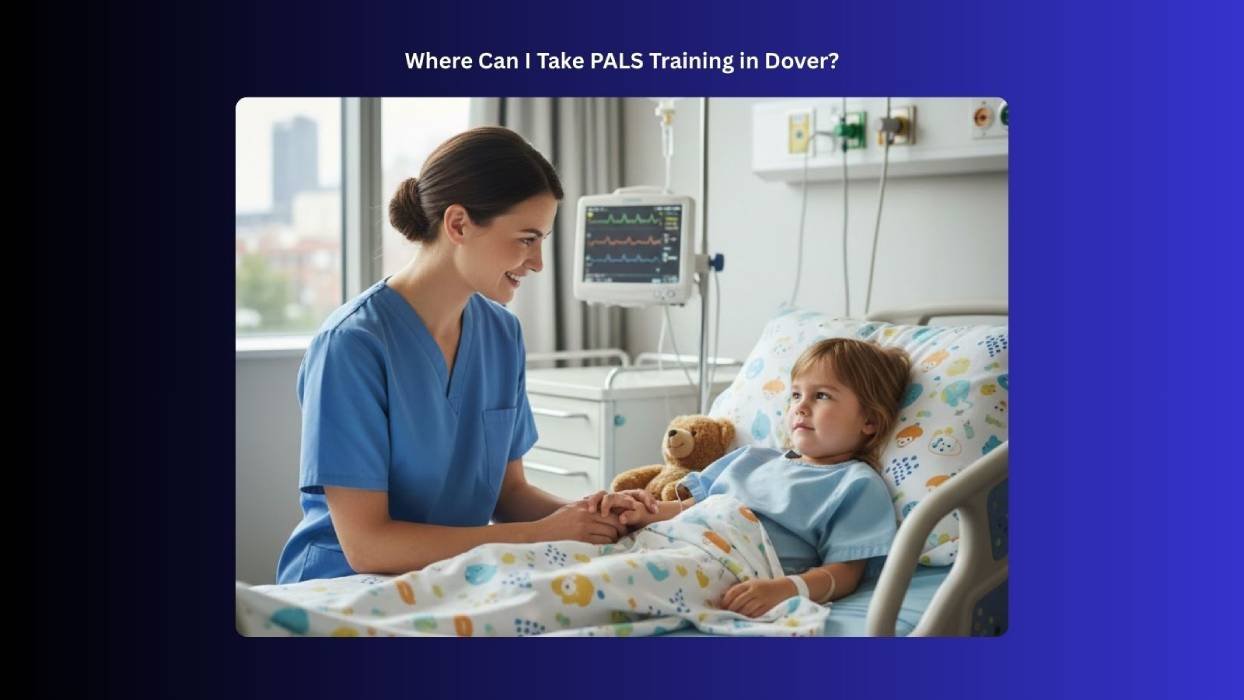
Pediatric Advanced Life Support (PALS) equips healthcare professionals with the skills to respond to life-threatening emergencies in infants and children. Following American Heart Association (AHA) guidelines, PALS emphasizes early recognition, resuscitation, airway management, cardiac rhythm interpretation, medication administration, and coordinated team response.
PALS is essential for nurses, physicians, paramedics, EMTs (Emergency Medical Technicians), and respiratory therapists. Children experience emergencies differently from adults, and PALS training ensures rapid, evidence-based decisions that improve survival and outcomes. Many healthcare facilities require course completion card for employment or career advancement in pediatric and emergency care.
At Bayside CPR in Dover, we offer PALS training at a convenient location with flexible weekday, weekend, and hybrid schedules. This makes completing the course more accessible, time-efficient, and cost-effective for healthcare professionals in the surrounding communities. This guide explains where to take PALS, course formats, what to expect during training, and how to choose an accredited provider, helping you confidently advance your pediatric emergency care skills.
PALS Course Overview
PALS training equips healthcare providers with the skills to effectively manage life-threatening emergencies in infants and children. Building on basic CPR (Cardiopulmonary Resuscitation) and BLS (Basic Life Support) training, PALS focuses on advanced pediatric care, including:
- Rapid assessment and stabilization of critically ill or injured children
- Recognition and management of pediatric respiratory and cardiovascular emergencies
- Advanced airway management and age-appropriate medication administration
- Team-based, coordinated pediatric resuscitation
PALS class is essential for healthcare professionals in Dover, including physicians, nurses, paramedics, and other clinicians who care for pediatric patients in acute settings. It ensures compliance with hospital and employer requirements while promoting guideline-based, high-quality care for children.
Who Needs a PALS provider card in Dover?
PALS provider card is required for healthcare professionals who provide care to infants and children in acute or emergency settings. This includes:
- Physicians: Pediatricians, emergency medicine doctors, and hospitalists caring for critically ill children.
- Nurses: Especially those in pediatric, emergency, and intensive care units.
- Paramedics and EMTs: First responders who manage pediatric emergencies in the field.
- Other Clinicians: Respiratory therapists, physician assistants, nurse practitioners, and any staff involved in pediatric resuscitation or acute care.
Completing PALS ensures that these professionals are prepared to respond effectively to life-threatening pediatric emergencies, maintain compliance with hospital requirements, and deliver guideline-based, high-quality care.
Requirements for PALS Training
To complete PALS, healthcare providers must meet several key requirements:
1. Prerequisite Training
- Current BLS course completion card for healthcare providers.
- Familiarity with basic pediatric assessment and CPR techniques, including understanding how a child is defined in terms of CPR/AED care, is essential.
2. PALS Course Completion
- Attendance at an ACLS-or AHA-approved PALS course, which includes:
- Didactic sessions covering pediatric assessment, respiratory and cardiac emergencies, and medications.
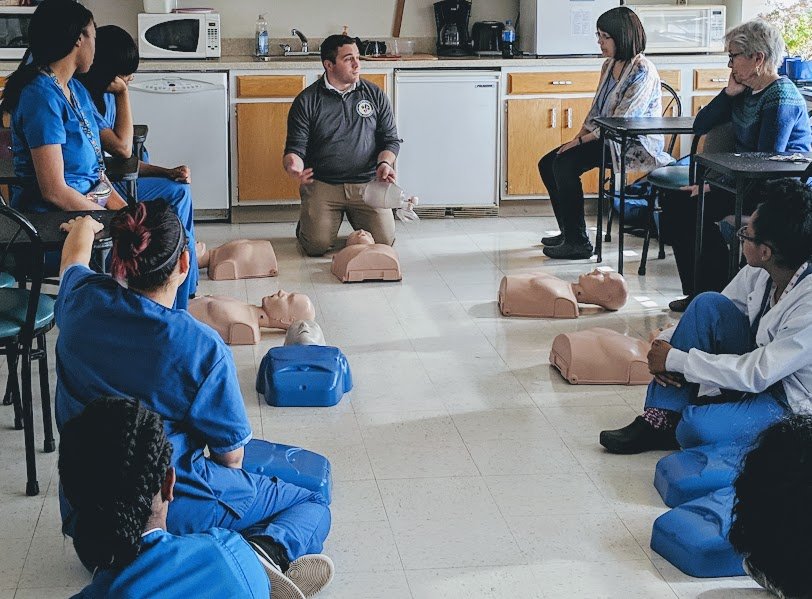
- Hands-on skills practice with simulations of pediatric emergencies.
- Team-based scenarios to practice coordinated resuscitation.
3. Knowledge and Skills Evaluation
- Skills test demonstrating proficiency in CPR, airway management, and emergency interventions.
4. AHA Provider Card Renewal
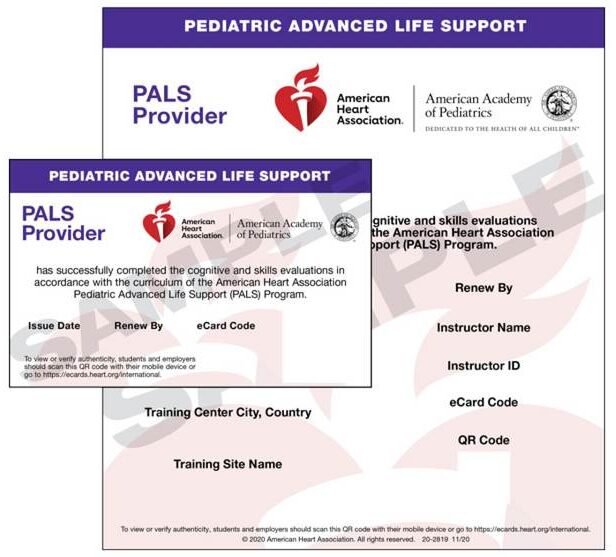
- PALS provider card is valid for two years. Renewal requires completing a refresher course and passing updated exams to ensure current knowledge and skills.
Meeting these requirements ensures that healthcare professionals are fully prepared to respond to life-threatening pediatric emergencies with confidence and competence.
PALS Course Formats in Dover
In Dover, you can choose a PALS course that fits your schedule and learning style. Each option helps you practice key skills and gain confidence in caring for children in emergencies.
1. PALS Online & Skills
This format combines online learning with in-person skill practice. Part 1, HeartCode PALS, is completed online at your own pace, covering essential pediatric life support concepts. Part 2 involves an in-person PALS Skills session, where participants practice hands-on techniques and team-based scenarios. Upon successful completion, learners receive an instant AHA PALS Provider eCard. The course allows unlimited attempts for assessments and typically takes around 30 minutes for the skills portion.
2. PALS Skills
This option is focused solely on hands-on, in-person training. Participants complete Part 2: PALS Skills, practicing pediatric resuscitation, airway management, and team-based interventions. Successful participants receive an instant AHA PALS Provider eCard, with unlimited attempts allowed for skill assessments. The in-person skills session generally takes about 30 minutes.
How to Complete PALS Training in Dover
Completing your PALS training at Bayside CPR in Dover is easier than you think. We guide you through every step so you feel confident and ready to care for pediatric emergencies.
1. Verify Your Eligibility
- Current AHA BLS Providere Card: PALS builds on foundational life support skills, so a valid BLS card is required.
- Employer Requirements: Check if your workplace has specific course mandates, such as in-person attendance or blended learning.
2. Choose an Approved PALS Provider
- AHA-Aligned Training Centers: Make sure your provider meets AHA standards.
- Course Formats: Options include in-person courses with hands-on practice or blended courses combining online learning with a skills session for flexibility.
3. Complete the PALS Course
- Classroom Instruction: Learn pediatric assessment, resuscitation algorithms, pharmacology, and emergency protocols.
- Simulations and Megacode Practice: Strengthen your skills through hands-on pediatric emergency scenarios, including PALS megacodes and scenario simulations.
4. Pass the PALS Exam and Skills Testing
- Skills Evaluation: Hands-on assessment of CPR, airway management, rhythm recognition, and team-based pediatric resuscitation.
5. Receive Your AHA PALS Course Completion Card
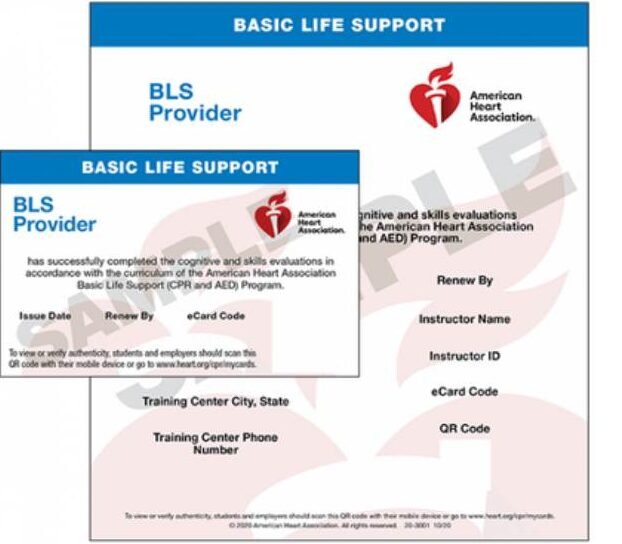
- Same-Day AHA e-card: Receive your PALS card immediately after passing.
- Digital vs. Physical Cards: Digital cards provide quick access, while physical cards can be mailed if requested. Both are recognized by employers and hospitals in Dover.
Following this step-by-step process ensures you leave the course fully prepared to handle pediatric emergencies confidently while meeting professional requirements in Dover.
PALS AHA Provider Card Duration & Renewal
1. Course Validity
- Your PALS AHA course completion card is valid for two years.
2. Renewal Requirements
- Complete a PALS renewal course before your current card expires
- Renewal courses typically include:
- Review of pediatric assessment and resuscitation algorithms
- Updated guidelines and protocols from the American Heart Association (AHA)
- Skills practice with simulations and megacode scenarios
- Skills testing to confirm competency
3. Recommended Timing
- Renew a few months before expiration to avoid lapses, which could affect employment or clinical privileges
4. Continuing Education Benefits
- Staying current with PALS not only meets professional requirements but also ensures you are confident and prepared for pediatric emergencies, and you can learn how many CEUs you get with PALS renewal to track your continuing education credits.
What to Expect on PALS Training Day
Attending a PALS course in Dover? Here’s what your day will typically involve:
1. Course Duration
Courses usually last one to two days, depending on whether you’re completing initial course or renewal:
- Initial courses: Comprehensive instruction with hands-on practice, including pediatric assessment, resuscitation skills, and team dynamics; longer sessions.
- Renewal courses: Shorter sessions focusing on skill refreshers, updated PALS algorithms, and pediatric emergency updates.
2. Skills Testing and Megacode Scenarios
Participants perform pediatric megacode scenarios, simulating real-life pediatric emergencies such as respiratory distress, shock, or cardiac arrest.
Skills evaluation includes:
- High-quality CPR for infants and children
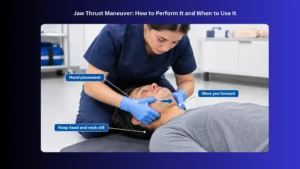
- Airway management and ventilation techniques
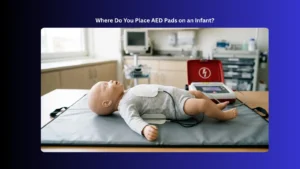
- Defibrillation and medication administration
- Effective team communication and leadership
- Feedback from the CPR Verification Station System to ensure proper application of PALS algorithms under pressure.
3. Exam Format and Passing Requirements
- Online Course : Tests knowledge of pediatric assessment, PALS protocols, emergency pharmacology, and rhythm recognition.
- Skills Assessment: Hands-on evaluation of essential PALS interventions during megacode simulations.
Passing both components is required to receive the PALS AHA Provider Card. By the end of the day, you’ll have demonstrated the ability to confidently manage pediatric emergencies. Your card will be valid in hospitals, clinics, and emergency care settings throughout Dover.
Complete AHA PALS Training in Dover
Completing PALS in Dover is simple and rewarding. Choose a course that fits your schedule, practice realistic pediatric emergency scenarios, complete skills evaluations, and receive your AHA PALS provider card. This training equips you to respond quickly and confidently in critical situations, helping children when they need it most. Keeping your card current ensures you remain prepared to make a real impact in pediatric care.
Prepare yourself for critical moments with Bayside CPR. Flexible schedules, online learning, and 30-minute hands-on skills sessions allow you to complete AHA CPR training in as little as one day. Walk away with your AHA course completion card and the confidence to act.