
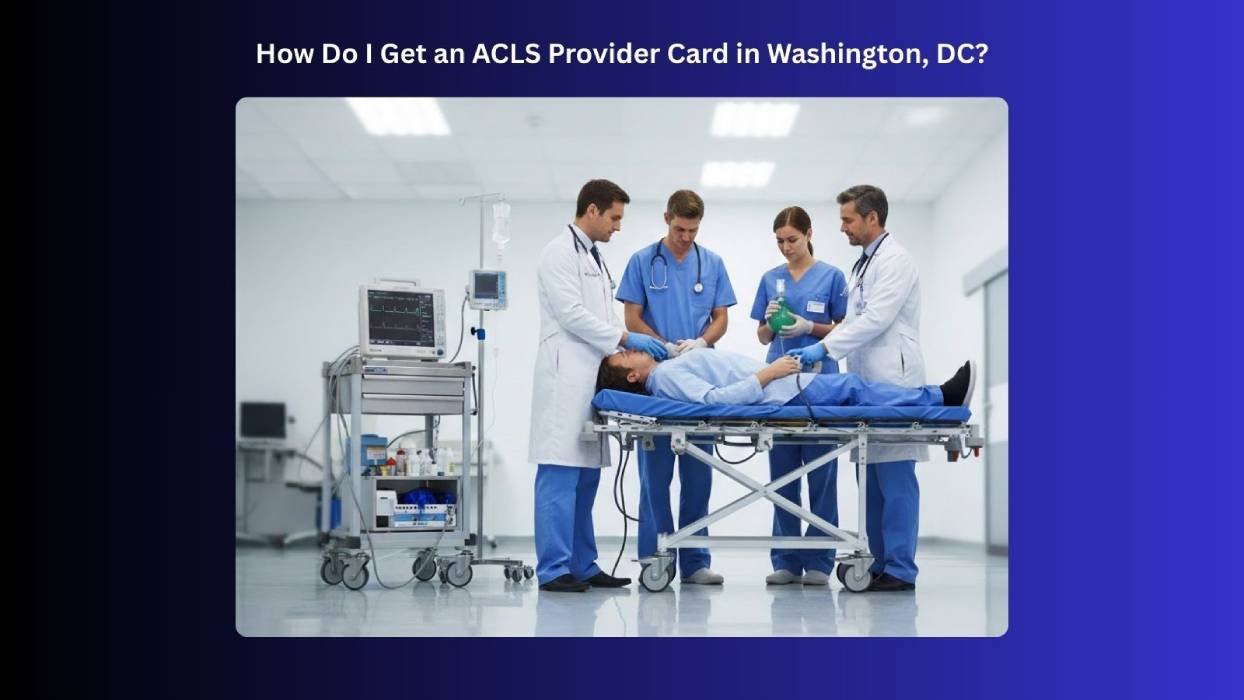
Advanced Cardiovascular Life Support (ACLS) is an evidence-based program for healthcare professionals who manage life-threatening cardiovascular emergencies. It builds on CPR and BLS skills, emphasizing cardiac rhythm recognition, airway management, pharmacology, and team-based resuscitation. At Bayside CPR in Washington, DC, we offer AHA ACLS classes to prepare providers for these critical situations. Maintaining current ACLS credentials meets employer requirements, credentialing standards, and patient safety expectations. It is commonly required for physicians, nurses, nurse practitioners, physician assistants, paramedics, EMTs, and ICU/CCU staff.
ACLS Course Overview
ACLS (Advanced Cardiovascular Life Support) course prepares healthcare providers to confidently manage life-threatening cardiac emergencies. Unlike basic CPR or BLS, ACLS emphasizes advanced skills, including:
- Rapid assessment and treatment of cardiac arrest, stroke, and acute coronary syndromes
- ECG rhythm recognition and arrhythmia management
- Advanced airway management and medication administration
- Coordinated, team-based resuscitation
ACLS training is essential for healthcare professionals in Washington, DC, such as physicians, nurses, paramedics, and other clinicians who respond to acute cardiovascular emergencies. It ensures compliance with hospital and employer requirements while supporting guideline-based patient care.
Who Needs ACLS Class in Washington, DC?
ACLS class is essential for healthcare professionals who manage acute cardiac emergencies in Washington, DC. It equips providers to respond efficiently and confidently to life-threatening situations.
1. Healthcare Roles Commonly Requiring ACLS
- Physicians: Especially in emergency medicine, cardiology, anesthesiology, and critical care.
- Registered Nurses (RNs): Particularly in ICUs, CCUs, emergency departments, and telemetry units.
- Paramedics and EMTs: Frontline providers handling pre-hospital cardiac emergencies.
- Nurse Practitioners (NPs) and Physician Assistants (PAs): Working in acute care or emergency settings.
- Other Critical Care Staff: Including respiratory therapists, perioperative nurses, and clinicians involved in advanced resuscitation.
2. Employer and Hospital Requirements in DC-Area Facilities
In the DC area, hospitals and healthcare facilities typically require a current AHA ACLS provider card for credentialing and employment. Major institutions, such as MedStar Washington Hospital Center, George Washington University Hospital, and Children’s National Hospital, expect staff to maintain an up-to-date ACLS card. In some cases, employers may also require completion of an ACLS course before beginning clinical rotations, particularly for new nurses, residents, and temporary staff.
3. When ACLS Is Mandatory vs. Recommended
- Mandatory: Clinicians managing cardiac arrests, arrhythmias, or acute cardiovascular emergencies, such as ICU nurses, ER staff, and paramedics.
- Recommended: Roles that occasionally assist in emergencies, like outpatient nurses, lab technicians, or hospital volunteers, may not require ACLS but benefit from card to enhance readiness.
This AHA ACLS training ensures DC healthcare providers are prepared to deliver guideline-based, life-saving care.
Requirements for ACLS Training
Before enrolling in an ACLS course, healthcare professionals must meet certain prerequisites to ensure they can fully engage with advanced cardiovascular life support techniques. These standards are consistent across AHA–aligned courses and Washington, DC, area training centers.
1. Current BLS Provider Card
A valid BLS card is required before taking ACLS, as ACLS builds directly on these foundational skills. BLS ensures mastery of:
- High-quality chest compressions
- Effective rescue breathing
- Use of an automated external defibrillator (AED)
- Most ACLS courses require proof of current BLS provider card.
2. Clinical Experience Expectations
Participants are generally expected to have some clinical experience, ensuring familiarity with patient assessment, vital signs, and basic emergency procedures. Typical requirements may include:
- Working in a hospital, clinic, or pre-hospital care setting
- Exposure to acute or critical care patients
- Experience in patient monitoring and emergency response scenarios
3. Basic ECG Rhythm Interpretation and Pharmacology Knowledge
Participants should have a foundational understanding of ECG rhythm interpretation and basic emergency pharmacology, including:
- Common medications such as epinephrine, amiodarone, and atropine
- Indications, dosages, and administration routes
- Medication interactions with resuscitation protocols
Meeting these prerequisites ensures healthcare professionals are prepared for hands-on simulations, rapid decision-making during cardiac emergencies, and successful ACLS card.
ACLS Course Formats in Washington, DC
Choose the ACLS course that fits your schedule and learning style. Each option offers structured instruction, hands-on practice, and rapid card.
1. ACLS Online & Skills
Complete Part 1 online at your own pace with HeartCode ACLS, then join the in-person Part 2 skills session to practice essential techniques. Sessions take just 30 minutes, allow unlimited attempts, and provide an instant AHA ACLS Provider eCard.
2. ACLS Skills Only
For those who have already completed the online course, this in-person skills session focuses on hands-on practice. The session takes 30 minutes, allows unlimited attempts, and includes instant AHA ACLS Provider eCard issuance.
How to Complete ACLS Training in Washington, DC
Completing your ACLS training at Bayside CPR in Washington DC is easier than you think. We guide you through every step so you feel confident and ready.
1. Verify Your Eligibility
- Current BLS Card: ACLS builds on foundational life support skills, so a valid card is required.
- Employer Requirements: Check if your workplace has specific course mandates, such as in-person attendance or blended learning.
2. Choose an Approved ACLS Provider
- AHA-Aligned Training Centers: Ensure your provider meets American Heart Association standards.
- Course Formats: Options include in-person courses with hands-on practice or blended courses combining online learning with a skills session for flexibility.
3. Complete the ACLS Course
- Classroom Instruction: Learn ACLS algorithms, pharmacology, and emergency protocols.
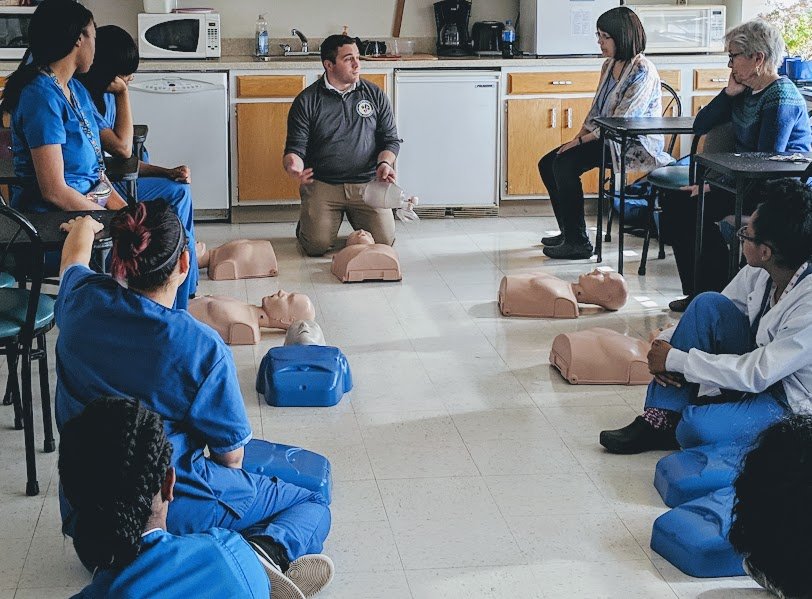
- Simulations and Megacode Practice: Engage in realistic cardiac emergency scenarios to build confidence and teamwork skills.
4. Pass the ACLS Exam and Skills Testing
- Written Exam: Tests knowledge of ACLS algorithms, drug administration, and emergency decision-making.
- Skills Evaluation: Hands-on assessment of CPR, airway management, rhythm recognition, and team-based resuscitation.
5. Receive Your ACLS Card
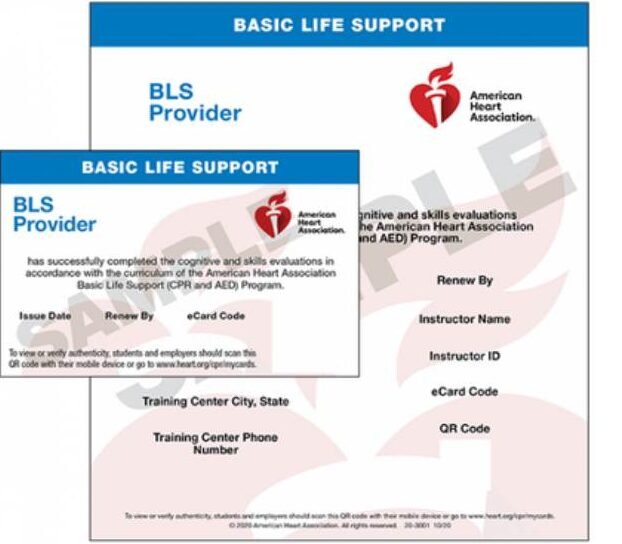
- Same-Day AHA e-card: Receive your ACLS card immediately after passing.
- Digital vs. Physical Cards: Digital cards provide quick access, while physical cards can be mailed if requested. Both are recognized by employers and hospitals in DC.
This step-by-step process ensures you leave the course fully prepared to handle cardiovascular emergencies confidently while meeting professional requirements in Washington, DC.
ACLS Card Duration & Renewal
AHA ACLS provider card is valid for two years. To remain compliant with DC hospital and employer requirements, renewal is recommended 3–6 months before expiration.
- Initial Course: For first-time ACLS learners. Covers all algorithms, skills, and emergency protocols. Requires passing both written and hands-on exams.
- Renewal Courses: Shorter, focused sessions for providers who already hold ACLS credentials. Updates skills, reviews critical algorithms, and ensures continued readiness for cardiac emergencies.
Staying current ensures you are prepared to respond to emergencies and meet professional standards in Washington, DC.
What to Expect on ACLS Training Day
Attending an ACLS course in Washington, DC? Here’s what your day will typically involve:
1. Course Duration
Courses last one to two days, depending on whether you’re completing initial course or renewal.
- Initial course: Comprehensive instruction with hands-on practice; longer sessions.
- Renewal courses: Shorter, focused on skill refreshers and updated guidelines.
2. Skills Testing and Megacode Scenarios
- Participants perform megacode scenarios, simulating real-life cardiac emergencies.
- Skills evaluation includes CPR quality, airway management, defibrillation, team coordination, and medication administration.
- The CPR Verification Station system provides feedback to ensure accurate application of ACLS algorithms under pressure.
3. Exam Format and Passing Requirements
- Written Exam: Tests knowledge of ACLS protocols, emergency pharmacology, and rhythm recognition. Check out our guide on how to prepare for the ACLS exam to be fully ready.
- Skills Assessment: Hands-on evaluation of essential ACLS interventions during megacode simulations.
Passing both exams is required for an AHA ACLS provider card.
By the end of the day, you’ll have demonstrated your ability to manage cardiovascular emergencies confidently. Successful participants receive their ACLS card, valid for hospitals, clinics, and emergency care settings in Washington, DC.
Additionally, read: ACLS cheat sheet, your guide to passing the exam.
Final Thoughts: Getting ACLS Training in Washington, DC
Obtaining your ACLS training in Washington, DC, sets you up to respond to cardiac emergencies with confidence and skill. By completing the course, you gain hands-on experience, learn to recognize heart rhythms, and practice teamwork during high-pressure scenarios. The process is straightforward, whether you choose in-person training, online learning, or a combination of both. Once you finish, you leave with a valid course completion card that meets hospital and employer standards while helping you provide safe, life-saving care. Staying current ensures you are ready for any situation and keeps your skills sharp for the patients who need you most.
At Bayside CPR, the process is easy, efficient, and empowering. Our flexible training combines a brief online course with a 30-minute in-person skills session, letting you complete your AHA course and walk out with your card the same day. ACLS e-card valid for two years, keeping your skills fresh and ensuring you meet hospital and employer standards, so you are always ready to act quickly and effectively.