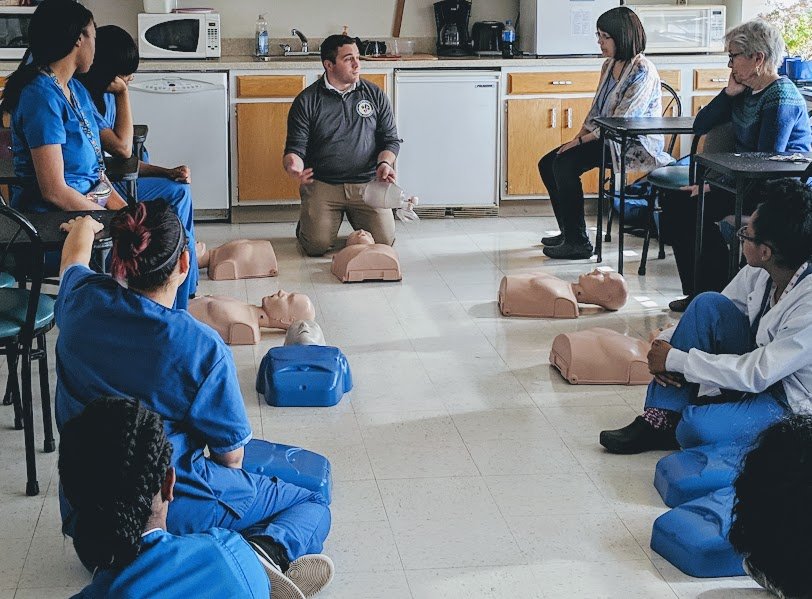

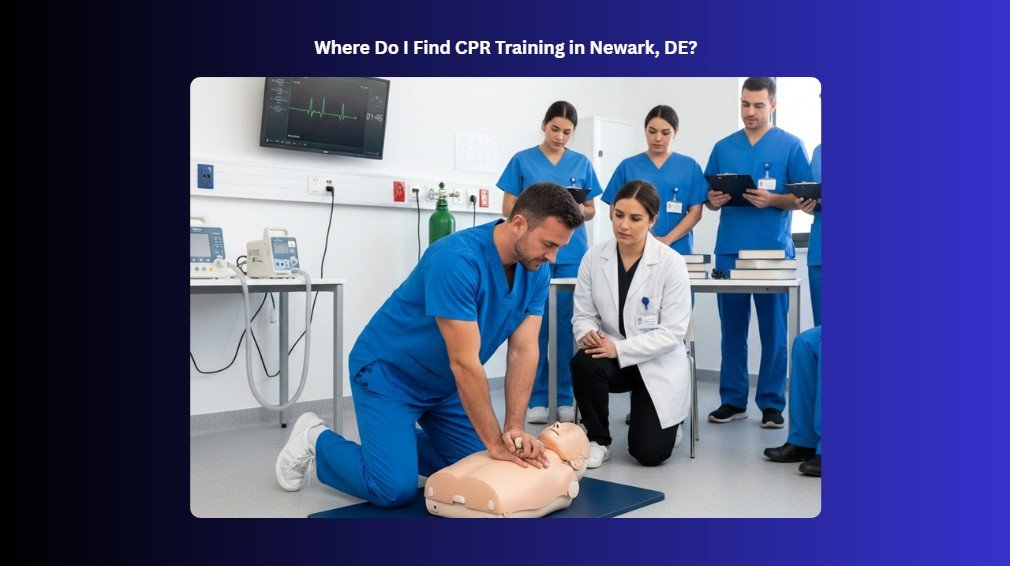
Looking for CPR training in Newark, DE? Bayside CPR is your go-to provider for expert CPR and First Aid courses. Whether you need training for work, school, or personal readiness, our hands-on classes give you the skills and confidence to act in real emergencies. We offer courses for all levels, including basic CPR for adults, children, and infants, as well as advanced programs like ACLS, BLS, and PALS. With realistic equipment and step-by-step guidance, every student leaves ready to save lives.
Why CPR Training Matters
CPR, or cardiopulmonary resuscitation, is a critical emergency procedure performed when someone’s heart stops beating or they stop breathing. By combining chest compressions with rescue breaths, CPR maintains blood flow and oxygen delivery to the brain and vital organs until professional medical help arrives. Being trained in CPR is not just beneficial, it can be the difference between life and death.
Benefits of CPR Training
1. Immediate Response Saves Lives
Nearly 70% of cardiac arrests occur at home, and studies show that when bystanders are trained in CPR, survival rates for cardiac arrest victims can double or even triple.
2. Confidence During Crises
Knowing how to perform CPR reduces panic. Training equips you with the skills to act quickly and effectively instead of hesitating in a critical moment.
3. Professional Compliance
Many workplaces in Newark require employees to be CPR certified, particularly in healthcare, childcare, fitness, and hospitality. Completing a course with a reputable provider ensures you meet these standards.
4. Community Safety
Trained individuals contribute to overall community preparedness. By learning CPR, you become part of a network of capable responders ready to help in emergencies.
Who Should Get CPR Training
CPR skills are valuable for everyone, but certain groups often require training or benefit from advanced programs:
- Healthcare Professionals: Doctors, nurses, EMTs, paramedics, and hospital staff need BLS training to meet professional requirements.
- School Employees and Coaches: Teachers, teaching assistants, coaches, and other school personnel, especially those supervising youth sports programs.
- Childcare Providers: Daycare staff, babysitters, nannies, and anyone caring for infants or children.
- Workplace Responders: Security personnel, fitness instructors, construction teams, and corporate emergency responders who require CPR for workplace safety compliance.
- Volunteers and Community Members: Scout leaders, camp counselors, and youth sports coaches who want to be prepared to respond to emergencies.
- Parents and Family Members: Anyone wanting to protect loved ones at home, school, or public spaces.
Even if you don’t fall into these categories, CPR training equips you with life-saving skills that can be applied in any situation. It’s also important to understand which roles require a CPR and First Aid AHA provider card. When choosing a CPR class in Newark, make sure it aligns with your professional, family, or community needs.
Types of CPR Classes in Newark
We provide a range of CPR courses created to meet different professional and personal needs. Every course combines expert instruction with hands-on practice using realistic equipment.
1. ACLS (Advanced Cardiovascular Life Support)
Prepares healthcare providers to handle cardiac emergencies using advanced airway management, medications, and identification of life-threatening cardiac rhythms. ACLS emphasizes teamwork and rapid decision-making.
2. BLS (Basic Life Support)
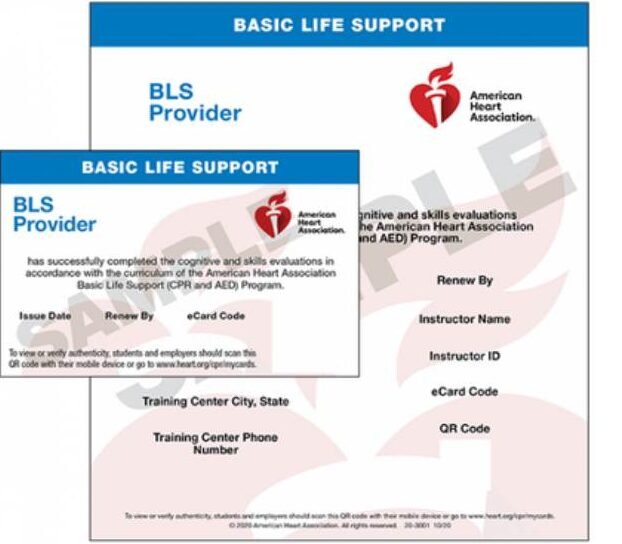
Developed for healthcare professionals and first responders, BLS covers team-based CPR, bag-mask ventilation, and high-quality chest compressions according to AHA guidelines.
3. PALS (Pediatric Advanced Life Support)
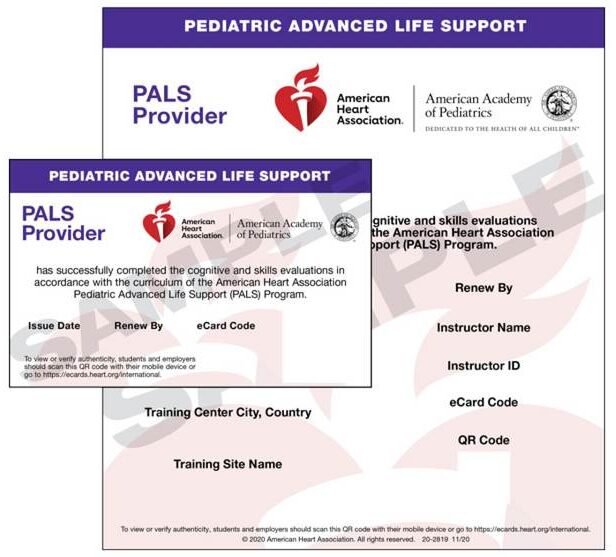
Focused on critically ill infants and children, PALS teaches advanced assessment, emergency interventions, and teamwork strategies for pediatric emergencies.
Course Formats
We offer flexible learning options to suit busy schedules.
1. In-Person Training
Traditional in-person classes provide hands-on instruction with live feedback. Participants complete the entire course and skills testing on-site in one session.
2. Blended Learning
Blended courses combine online instruction with a short in-person skills session. Students can study theory at their own pace and then practice practical techniques with an instructor. This format is ideal for professionals, parents, and students needing flexibility.
Also, check out: Online vs. In-Person CPR Training, which option suits you best?
Traditional Courses vs. Blended/Hybrid Format
Learn life-saving skills on your terms. Explore how traditional courses compare with the flexible blended format program to find the option that fits your schedule.
| Feature | Traditional Course | Blended Format (Self-Guided) |
| Duration | 3–6 hours | 2–3 hours online + 10–20 min skills session |
| Skill Retention | Skills fade between classes | Skills maintained with quarterly refreshers |
| Scheduling | Harder to fit into busy schedules | Very flexible, online + short station visits |
| Feedback | Minimal real-time feedback | Smart manikins provide instant feedback |
Key Topics Covered
Our courses cover practical skills and knowledge to ensure participants are ready to respond in real emergencies:
- Adult CPR Techniques: Proper depth and rate of compressions, rescue breathing, and AED use.
- Child and Infant CPR: Age-appropriate methods for chest compressions, airway management, and choking relief.
- AED Use: Hands-on experience with automated external defibrillators, including pad placement and step-by-step operation.
- Emergency Response Skills: Recognizing cardiac arrest, calling for help, and providing care until professional help arrives.
AHA Provider Card: Initial and Renewal
Keeping the provider card up to date is essential for maintaining effectiveness and ensuring compliance.
1. Standard Renewal
- AHA course completion cards are valid for two years. Renewal courses are shorter (1–2 hours) and focus on skill refresh and updates. Check out how long a CPR provider lasts.
- Renewal courses are shorter (1–2 hours) and focus on skill refresh and updates.
2. Flexible Renewal Options
- Blended Courses: Complete the AHA online course at your own pace, attend a brief hands-on skills session, and receive your official AHA course completion card the same day.
- Group/Workplace Sessions: On-site training for teams or organizations.
Staying current ensures your skills remain sharp and your credentials valid. We follow the latest AHA guidelines, helping participants stay confident and prepared.
Getting Started
Starting your CPR training at Bayside CPR is simple:
- Identify Your Needs: Choose the course that matches your professional, community, or personal goals.
- Register: Sign up online or contact our Newark office for scheduling.
- Attend Training: Complete the course with hands-on instruction and practice.
- Receive Your Card: Earn your AHA-standard CPR training card, on the same day.
Start Your CPR Training Journey in Newark
Acquiring CPR training in Newark, DE, is easier than you might think, and it can make a real difference in your life and the lives of others. Whether you want to feel confident helping at home, meet workplace requirements, or volunteer in your community, local programs provide hands-on learning and flexible schedules to fit your needs. By taking a class, you gain the skills to act quickly during emergencies, understand how to use lifesaving tools, and know when to step in to help. CPR training gives you peace of mind, builds confidence, and connects you to a community of people ready to respond.
At Bayside CPR, learning CPR is simple, practical, and empowering. Our flexible training combines a short online course with a quick 30-minute hands-on session, letting you complete your AHA course assessment and receive your AHA course completion card the same day.