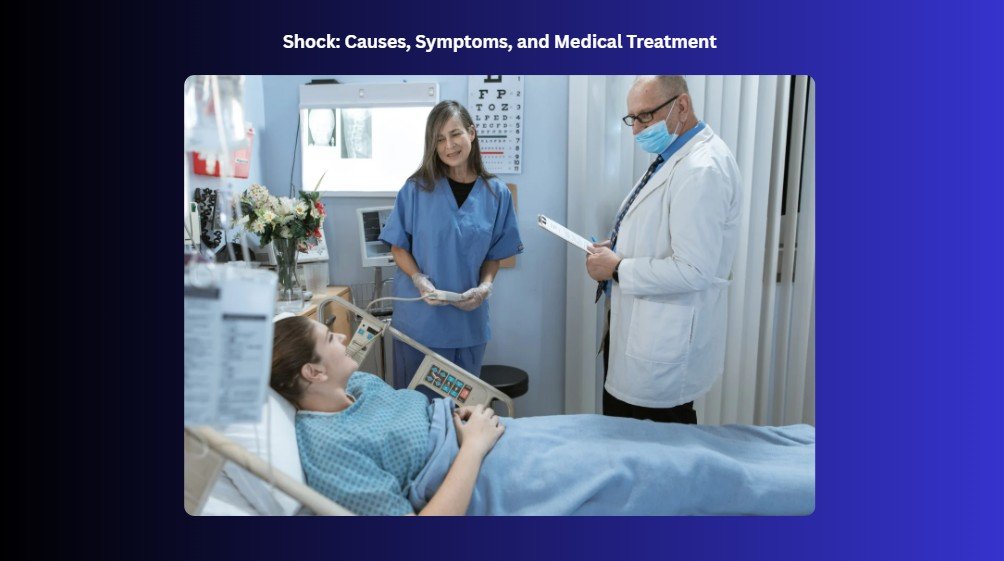

The word “shock” has two different meanings in Psychology: Shock is an emotional response to a traumatic event, like sudden grief or fear, that leaves someone feeling numb or overwhelmed. Physiology: Shock is when your body doesn’t ...
Read More ›If a doctor told you your loved one had experienced a heart attack rather than a cardiac arrest, would you feel relieved, or would your worry deepen? Do you really know the difference between the two? Both are serious, but they’re not the sam...
Read More ›CPR and First Aid certification is a common requirement for many careers where employees are responsible for the health, safety, or well-being of others. Employers often expect candidates to hold a valid certification before starting work or to compl...
Read More ›When it comes to learning lifesaving skills, both the AHA (American Heart Association) and the AHA (American Red Cross) stand out as trusted leaders. But have you ever wondered how their missions and contributions differ? CPR training, which stands f...
Read More ›CPR, or Cardiopulmonary Resuscitation, is a basic life-saving skill applied to anyone who collapses and the heart suddenly stops beating. This condition is called cardiac arrest. It involves pressing hard and fast on the chest to keep blood and...
Read More ›If you are preparing for your ACLS certification, the Megacode simulation is one of the most critical components you must complete to get certified. These critical care simulations are designed to test your ability to recognize life-threatening rhyth...
Read More ›