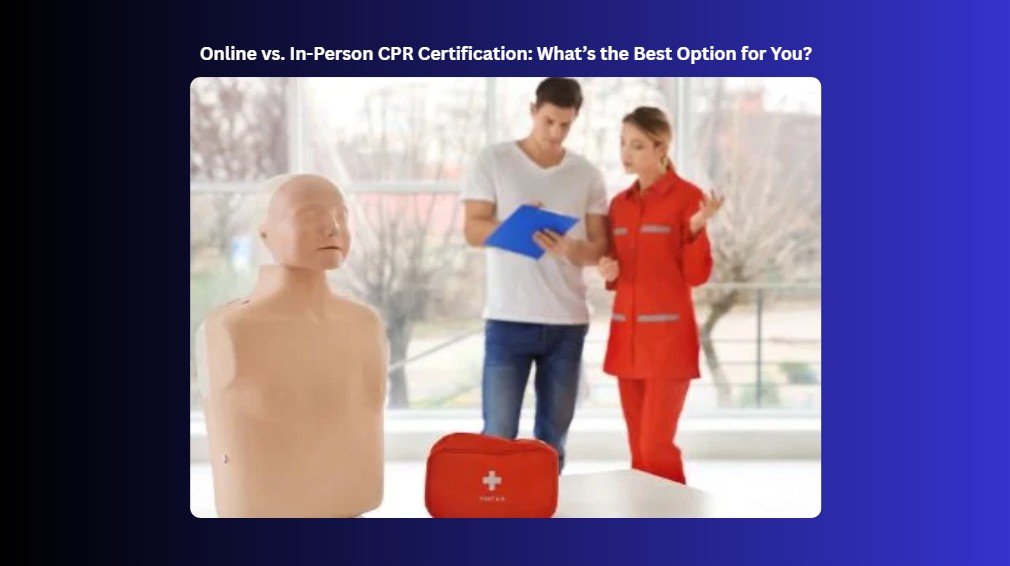

Choosing the right CPR certification is an important step, whether you’re a healthcare worker, a teacher, a parent, or someone who simply wants to be prepared in an emergency. At Bayside CPR, we often get asked which is better: online CPR certifica...
Read More ›When someone suddenly collapses, stops breathing, or their heart stops beating, the first few minutes are critical, and knowing how to respond can save a life. In these situations, two common terms arise: CPR (cardiopulmonary resuscitation) and BLS (...
Read More ›A bag-mask device, also called a bag valve mask (BVM), is an essential emergency tool used to assist patients who cannot breathe effectively on their own. It consists of a flexible, self-inflating bag attached to a face mask that fits securely over t...
Read More ›Electrocardiography (ECG or EKG) is a simple, non-invasive test that records the heart’s electrical activity using small electrodes placed on the skin. These signals produce waveforms like the P wave, QRS complex, T wave, and occasionally the U wav...
Read More ›When someone’s heart suddenly stops beating, every second counts. Pulseless Electrical Activity and Asystole are two serious conditions where the heart either shows electrical signals without a pulse or completely stops all activity. These two are ...
Read More ›Cardiac arrest prevents the heart from pumping blood effectively to the body. CPR and other resuscitation efforts help maintain blood flow while the team works to restore effective heart function. When circulation returns, the patient has reached a c...
Read More ›