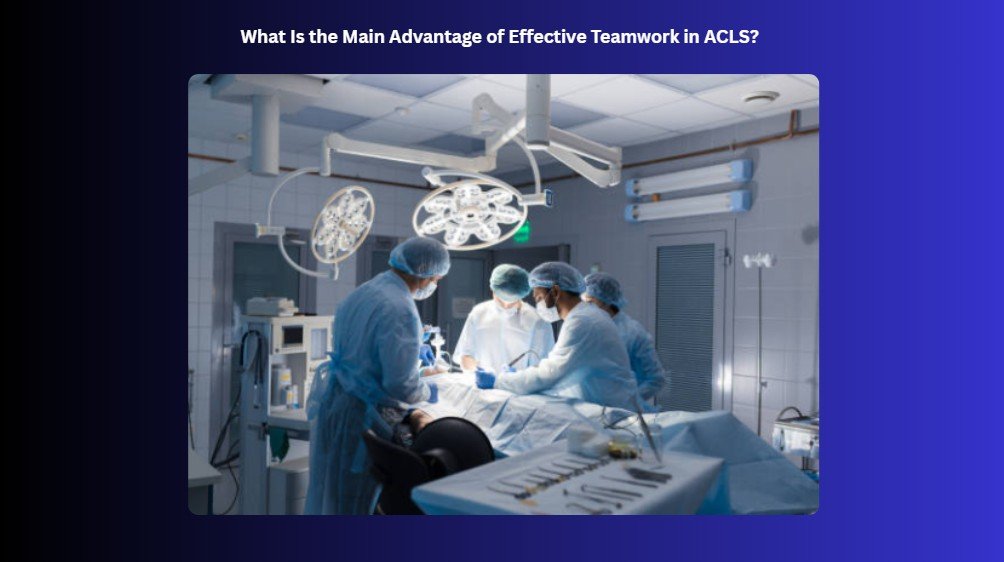

ACLS stands for Advanced Cardiovascular Life Support, a special training that helps healthcare providers respond quickly and confidently during serious heart emergencies. This class is designed for doctors, nurses, paramedics, and anyone who works in...
Read More ›When someone’s heart suddenly stops beating, every second counts. Pulseless Electrical Activity and Asystole are two serious conditions where the heart either shows electrical signals without a pulse or completely stops all activity. These two are ...
Read More ›A high-performance BLS team divides CPR responsibilities among providers so that chest compressions, ventilation, and cardiac monitoring are performed together in a coordinated response. The resuscitation triangle represents the three core positions ...
Read More ›If you are preparing for your ACLS certification, the Megacode simulation is one of the most critical components you must complete to get certified. These critical care simulations are designed to test your ability to recognize life-threatening rhyth...
Read More ›Understanding ECG | EKG (Electrocardiogram) rhythms is a crucial part of ACLS, it can be the difference between life and death of a cardiac arrest patient . Recognizing and analyzing these practices quickly helps health providers and doctors to respo...
Read More ›When it comes to emergency medical training, ACLS (Advanced Cardiovascular Life Support) and BLS (Basic Life Support) are two key certifications that offer you life-saving skills. They both focus on emergency care but still differ in terms of purpose...
Read More ›