
Many individuals assume that Basic Life Support certification courses automatically include both CPR and first aid training. However, this misunderstanding can leave both healthcare professionals and the general public without the emergency response training they may expect to receive.
The Basic Life Support (BLS) course teaches lifesaving skills that help people respond quickly in critical situations. So, a BLS program always covers CPR, while first aid is not included in the standard course structure.
In this guide, we will explain what Basic Life Support covers, why it does not include first aid, and how you can obtain both BLS and first aid training.
What Is BLS?
Basic Life Support (BLS) is a foundational level of medical care that focuses on recognizing life-threatening emergencies such as cardiac arrest, choking, or respiratory distress. This critical first-response approach is used to stabilize a person until advanced medical care is available.
What Is Covered in Basic Life Support Training?
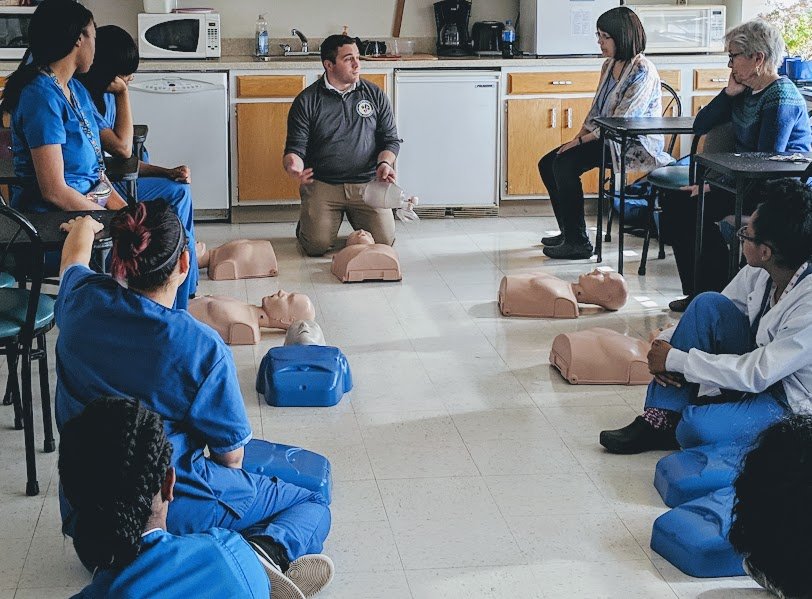
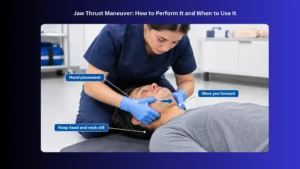
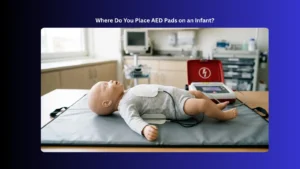
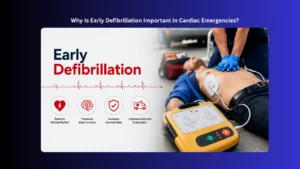
CPR is one of the most important parts of Basic Life Support, and every standard basic life-saving course teaches participants how to perform CPR effectively on adults, children, and infants. The course focuses on essential life-saving skills used to maintain blood circulation and oxygen flow when a person’s heart or breathing stops. Learners are taught to identify cardiac arrest, assess responsiveness, activate emergency medical services, perform high-quality chest compressions, provide rescue breaths, maintain an open airway, manage airway obstruction, and use an AED.
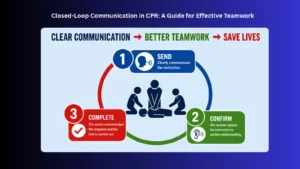
Furthermore, this life-saving credential focuses on applying critical care skills in real-life emergent situations through structured response techniques. The course also emphasizes maintaining proper compression depth and rate, minimizing interruptions during compressions, and improving overall patient survival outcomes. In addition, team dynamics are an important part of the program, helping participants develop effective communication, coordination, and role assignment skills during high-pressure emergencies.
Why Is First Aid Not Included in an AHA-Certified BLS Course?
BLS and first aid are separate courses and meet different training objectives. BLS certification is intended for healthcare professionals and clinical responders who need standardized resuscitation training that aligns with current emergency care guidelines. To ensure participants achieve competency in critical skills, the curriculum remains focused on a specific set of life-saving response procedures rather than covering a broad range of injury management topics.
Another reason first aid is not included in a standard BLS course is that first aid training addresses a wider variety of medical and injury-related situations that require different assessment and treatment approaches. Topics such as wound care, burns, fractures, and scald injuries require additional instruction and practice time. As a result, training providers offer first aid as a separate certification or as part of a combined course for individuals who need both emergency response and injury management skills.
Who Can Take a BLS Course?
While BLS is primarily for medical professionals and emergency response settings, the course is also accessible to non-healthcare individuals.
Individuals Eligible for a BLS Course:
- Doctors and physicians
- Nurses and nursing students
- Paramedics and EMTs
- Medical and healthcare students
- Dentists and dental staff
- Hospital and clinical support staff
- Teachers and school staff
- Coaches and sports trainers
- Childcare providers and babysitters
- Workplace safety officers and designated responders
- Individuals seeking advanced CPR and emergency response training
How Long Do BLS and First Aid Certifications Last?
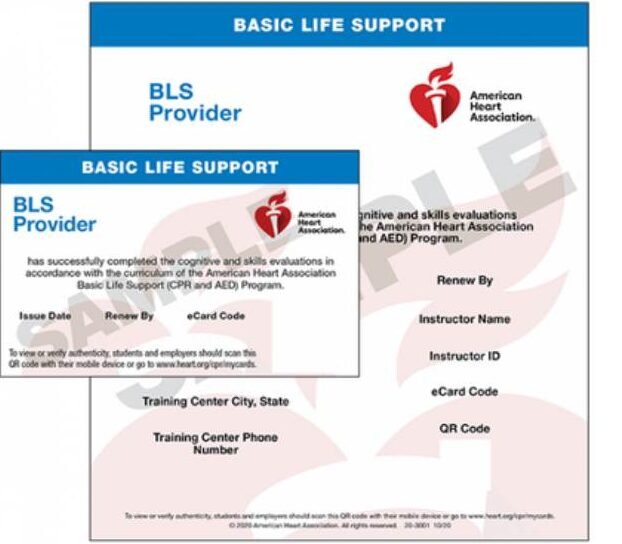
Your BLS and First Aid certifications remain valid for two years from the date of completion. This duration is set by the American Heart Association to ensure that skills and knowledge stay current with updated emergency care guidelines and best practices.
Furthermore, your credential must be renewed before the expiration date to maintain an active status. The BLS or first aid renewal process involves a refresher course that reviews essential concepts, reinforces hands-on skills, and updates participants on any changes in protocols, helping them stay confident and compliant with emergency response requirements.
How Can You Obtain Both AHA-Certified BLS and First Aid Training?
While the American Heart Association (AHA) does not offer a single combined certification that includes both BLS and first aid, individuals can obtain both credentials separately through AHA-authorized training centers. The AHA BLS course focuses on essential resuscitation skills, while first aid training is provided as a separate program that addresses injury care and general medical emergencies. By enrolling in both courses, learners can gain comprehensive emergency response skills that address both life-threatening and non-critical situations.
At Bayside CPR, we offer both courses in a structured sequence for efficient completion. Our blended learning approach combines online instruction with in-person skills practice for a flexible training experience. Participants can complete HeartCode BLS and Heartsaver First Aid online courses at their own pace, followed by a single combined in-person skills session for both courses. This ensures learners meet certification requirements while gaining a comprehensive set of emergency response skills applicable across clinical, workplace, and community settings.