
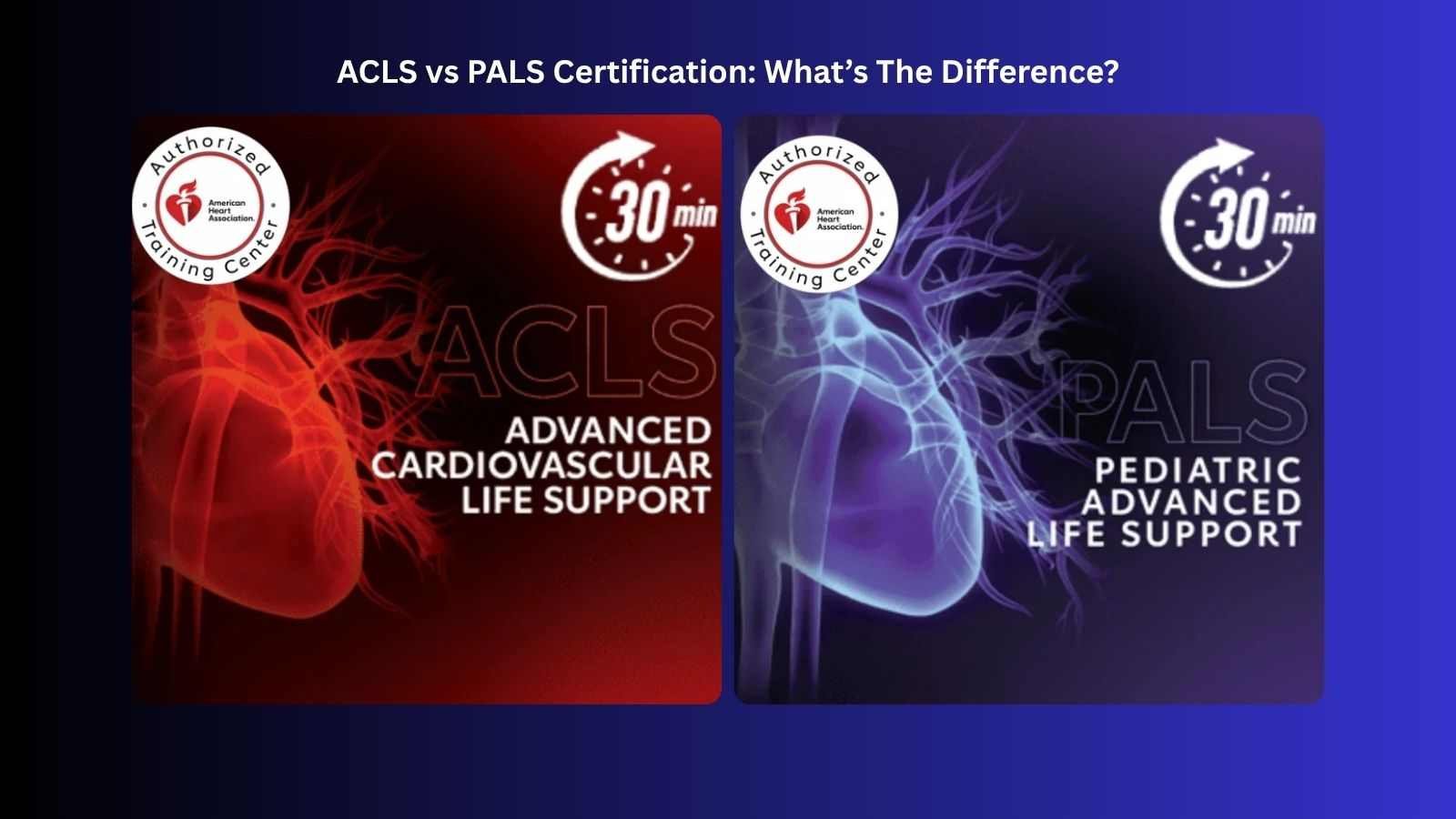
When a patient goes into cardiac arrest or stops breathing, the certification in your pocket determines how confidently you respond. Two certifications define emergency care training: ACLS (Advanced Cardiovascular Life Support) and PALS (Pediatric Advanced Life Support). Both use evidence-based protocols and hands-on simulation to prepare healthcare professionals for life-threatening situations, but they serve different patients and demand different skills.
ACLS focuses on adolescents and adults, training providers to manage cardiac emergencies like arrhythmias, cardiac arrest, and acute coronary syndromes. PALS is for infants and children from newborns through early adolescence, prioritizing respiratory distress, which is the leading cause of emergencies in young patients. Generally, PALS protocols apply to infants and children from birth up to their 18th birthday. It specifically covers neonatal resuscitation (under 28 days) and pediatric emergencies for infants, toddlers, school-age children, and adolescents. PALS is generally applied up to age 18, after which ACLS guidelines take over, though exact thresholds vary by institution.
This guide breaks down the key differences between ACLS and PALS across patient population, clinical focus, skills, and protocols, helping you choose the certification that fits your role, your workplace, and the patients you serve.
What is ACLS Certification?
ACLS certification prepares healthcare professionals to manage life-threatening cardiovascular emergencies. It extends basic life support (BLS) knowledge and applies proven protocols for treating adult patients in critical conditions.
1. Target Audience: Healthcare providers who deliver emergency care must obtain ACLS certification, including:
- Physicians
- Nurses
- Paramedics and emergency medical technicians (EMTs)
- Critical care and emergency room staff
2. Focus Areas: ACLS training teaches professionals to recognize and manage serious adult cardiac conditions:
- Adult cardiac emergencies: Identify and treat arrhythmias, cardiac arrest, and acute coronary syndromes.
- Stroke and cardiac arrest management: Rapidly assess, intervene early, and coordinate team response to improve survival.
3. Key Skills Learned: ACLS participants master critical, life-saving skills:
- ECG interpretation: Read heart rhythms to guide treatment decisions
- Airway management: Maintain proper ventilation using advanced techniques
- Emergency pharmacology: Administer correct medications and dosages during cardiac events
What is PALS Certification?
PALS certification trains healthcare professionals to identify and treat life-threatening emergencies in infants and children. It stresses rapid intervention and evidence-based pediatric care.
1. Target Audience: Healthcare providers who treat pediatric patients need PALS certification, including:
- Pediatricians
- Nurses in pediatric or neonatal units
- Emergency medical personnel (EMTs and paramedics)
- Respiratory therapists and critical care staff
2. Focus Areas: PALS training addresses the distinct challenges infants and children face during emergencies:
- Pediatric emergencies (infants and children): Assess and treat critically ill or injured young patients
- Respiratory distress and failure: Recognize and treat early, since respiratory problems cause most pediatric emergencies
3. Key Skills Learned: PALS participants master essential pediatric-specific skills:
- Pediatric assessment: Apply systematic approaches like the Pediatric Assessment Triangle (PAT)
- Resuscitation techniques for children: Perform high-quality CPR and advanced life support tailored to pediatric patients
- Pediatric medication dosing: Calculate and administer age- and weight-appropriate drug dosages
Key Differences Between ACLS and PALS
Although ACLS and PALS both teach life-saving techniques, they serve different patients and priorities.
| Aspect | ACLS | PALS |
| Patient Age Group | Serves adolescents and adults | Covers infants and children, including newborns through adolescence |
| Medical Focus | Addresses cardiac emergencies such as cardiac arrest, arrhythmias, and acute coronary syndromes | Targets pediatric emergencies, prioritizing respiratory distress and failure, which occur more frequently in children |
| Assessment Approach | Employs systematic cardiac evaluation, including rhythm recognition and advanced cardiac monitoring | Uses the Pediatric Assessment Triangle (PAT), a rapid visual assessment of appearance, breathing, and circulation |
| Algorithms and Protocols | Applies standardized adult cardiac algorithms, including advanced interventions like defibrillation and medication administration | Uses age-specific algorithms that account for children’s physiological differences, ensuring safe and appropriate treatment |
| Equipment and Medication | Requires adult-sized equipment and standardized medication dosages | Requires pediatric equipment (smaller airway devices) and weight-based medication dosing for accuracy and safety |
| Cost and Pricing | Courses cost ranging from $150 to $295 | Courses cost ranging from $150 to $295 |
Similarities Between ACLS and PALS
Although ACLS and PALS target different patients, they share core principles. Both improve outcomes in life-threatening emergencies through proven methods and In-depth training.
- Advanced Life Support Training: Both ACLS and PALS extend Basic Life Support (BLS) skills, enabling professionals to manage critical situations with greater precision and coordination.
- Evidence-Based Protocols: Each certification applies standardized, research-backed protocols to deliver consistent, effective care during emergencies.
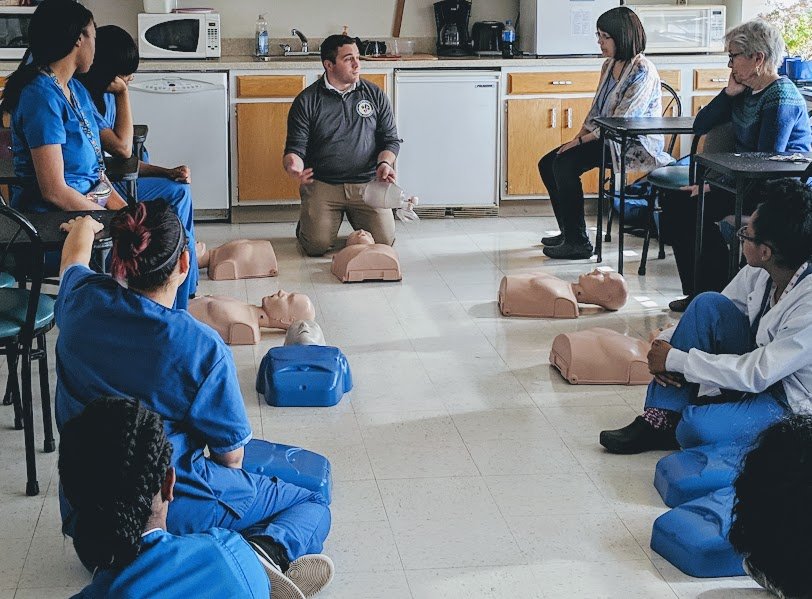
- Practical Skills Training: Both courses include hands-on practice through simulations and team resuscitation drills, preparing professionals for real emergencies.
- Mandatory Renewal: Healthcare professionals must renew ACLS and PALS certifications every two years to maintain current knowledge of the latest guidelines and best practices.
ACLS and PALS Certification Format
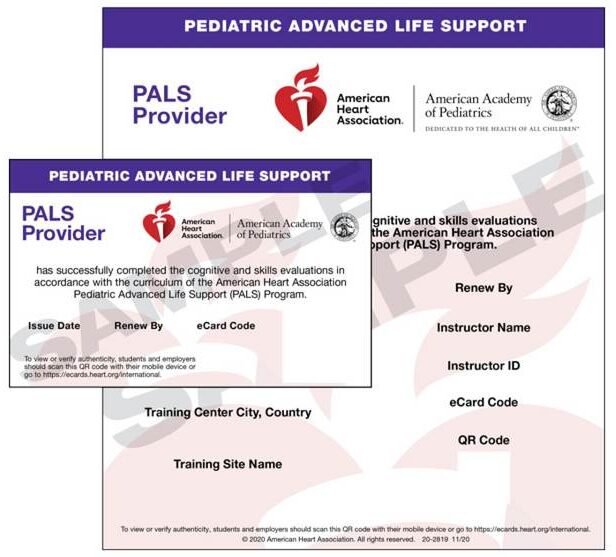
Both ACLS and PALS follow the same two-part certification format that the American Heart Association developed, combining online coursework with hands-on skills testing. You can choose a full blended program or a skills-only session, depending on whether you have already completed the online portion.
1. Online and Skills (Blended Learning)
This option is for professionals starting the certification process from the beginning:
Part 1: Online HeartCode Course Complete the online course at your own pace. ACLS coursework focuses on adult cardiac protocols, rhythm recognition, and emergency pharmacology. PALS coursework covers pediatric assessment, respiratory distress management, and weight-based medication dosing. ACLS takes approximately 2-3 hours, and PALS takes 3-4 hours to complete.
Part 2: In-Person Skills Session Demonstrate your skills using the American Heart Association (AHA) Voice-Assistant Manikin (VAM). You must provide proof of Part 1 completion before attending.
Certification: Receive your AHA Provider eCard instantly after you pass.
Additional Details:
- Unlimited attempts to pass
- The skills session takes approximately 30 minutes
2. Skills-Only Session
This option is for professionals who have already completed the online HeartCode portion and only need to complete the practical evaluation:
Part 2: In-Person Skills Session Demonstrate your skills using the AHA VAM. You must provide proof of Part 1 completion before attending.
Certification: Receive your AHA Provider eCard instantly after you pass.
Additional Details:
- Unlimited attempts to pass
- Takes approximately 30 minutes
Renewal Format
Both ACLS and PALS certifications require renewal every two years. The renewal process follows the same blended format, covering updated online coursework based on the latest AHA guidelines and an in-person skills session. Renewal typically takes less time than initial certification because providers refresh existing knowledge rather than learn protocols from scratch.
Who Should Get ACLS vs PALS and How to Choose?
Your role, work environment, and patient population shape which certification you need.
1. Roles That Require ACLS
Healthcare professionals who treat adult patients in critical or emergencies need ACLS, including:
- Physicians in emergency medicine, cardiology, and critical care
- Registered nurses in emergency rooms, ICUs, and cardiac units
- Paramedics and emergency medical technicians (EMTs)
- Anesthesiologists and other advanced care providers
2. Roles That Require PALS
Professionals who care for infants and children in emergency settings need PALS, such as:
- Pediatricians and pediatric specialists
- Nurses in pediatric or neonatal intensive care units (NICU/PICU)
- Emergency department staff handling pediatric cases
- Respiratory therapists working with children
3. Professionals Who Need Both
Some healthcare providers should get both certifications, especially those caring for patients of all ages:
- Emergency room physicians and nurses
- Family medicine practitioners
- Urgent care providers
- Paramedics in mixed-population settings
4. How to Make the Final Call
Once you know your role category, three factors help confirm your decision:
- Job Role and Specialty: Emergency physicians, ICU staff, and cardiology professionals need ACLS. Pediatricians and neonatal nurses need PALS.
- Workplace Requirements: Hospitals and healthcare organizations require specific certifications per position. Always check your employer’s requirements, as some roles need both.
- Patient Population: If you primarily treat adults, ACLS is the right choice. If you work with infants and children, you need PALS. In mixed settings like emergency departments or urgent care centers, both are necessary.
Getting both ACLS and PALS certifications prepares you to handle emergencies across all age groups, so you can respond confidently to any critical situation.
Benefits of Getting Certified in Both
Both ACLS and PALS certifications help healthcare professionals respond effectively in critical situations and advance their careers.
1. ACLS Benefits
- Improved Adult Emergency Response: ACLS training prepares providers to recognize and manage adult cardiac emergencies quickly, enabling faster intervention and better patient outcomes.
- Career Advancement: Many clinical roles require ACLS certification, opening doors to positions in emergency departments, intensive care units, and cardiac care centers.
2. PALS Benefits
- Specialized Pediatric Care Skills: PALS teaches professionals the specialized techniques needed for infants and children, enabling them to deliver age-appropriate emergency care with confidence.
- Increased Confidence in Child Emergencies: Focused training and hands-on practice help healthcare professionals build competence in assessing and managing pediatric emergencies, where rapid response saves lives.
Choosing the Right Life-Saving Training: ACLS and PALS
In summary, choosing between ACLS and PALS ultimately comes down to your clinical role and the patient population you serve. If you work primarily with adults in cardiac or emergency care, ACLS equips you with the advanced skills needed to respond confidently. If your practice involves infants and children, PALS prepares you to handle pediatric emergencies with precision and care. For healthcare professionals working across diverse settings, holding both certifications ensures you are fully prepared for any life-threatening situation that comes your way. No matter which path you choose, investing in the right training is one of the most impactful decisions you can make for your patients and your career.
Take the next step today and register for ACLS or PALS at Bayside CPR, where fast, convenient, and flexible training is always within reach. We also offer BLS certification courses for those who want to be prepared for both adult and pediatric emergencies. This course is suitable for nurses, doctors, paramedics, and other healthcare providers; however, teachers, coaches, lifeguards, and even parents often pursue this certification as well.