
Across Maryland healthcare settings, BLS CPR certification is a standard expectation for nursing professionals. So, staying certified helps you maintain eligibility, continue patient care without interruptions, and support career advancement.
The CPR renewal process in Maryland is straightforward and can often be completed within a few hours. However, many nurses face issues when they choose a course or training provider whose certification is not recognized by their employer or medical institution.
This guide helps Maryland nurses understand the full BLS CPR renewal process in detail, including course structures, renewal benefits, and choosing a trusted training provider.
How Long Does BLS Certification Remain Valid?
BLS CPR certification is valid for two years from the date of issue. Once your credentials expire, you are no longer considered compliant with employer and regulatory requirements, and you may be restricted from clinical duties until your certification is renewed.
As the two-year cycle passes quickly, especially during busy clinical rotations and shift-heavy schedules, most employers and licensing boards strongly recommend that nurses begin the renewal process well before their expiration date. Furthermore, early renewal helps ensure seamless certification status and avoids interruptions to your clinical duties.
How to Renew BLS CPR Certification?
Maryland nurses have several pathways to renew their BLS certification, each designed to accommodate different schedules, learning preferences, and practice settings. Various BLS classes in Maryland provide different recertification options.
The following are the options for BLS Renewal:
1) Blended Learning
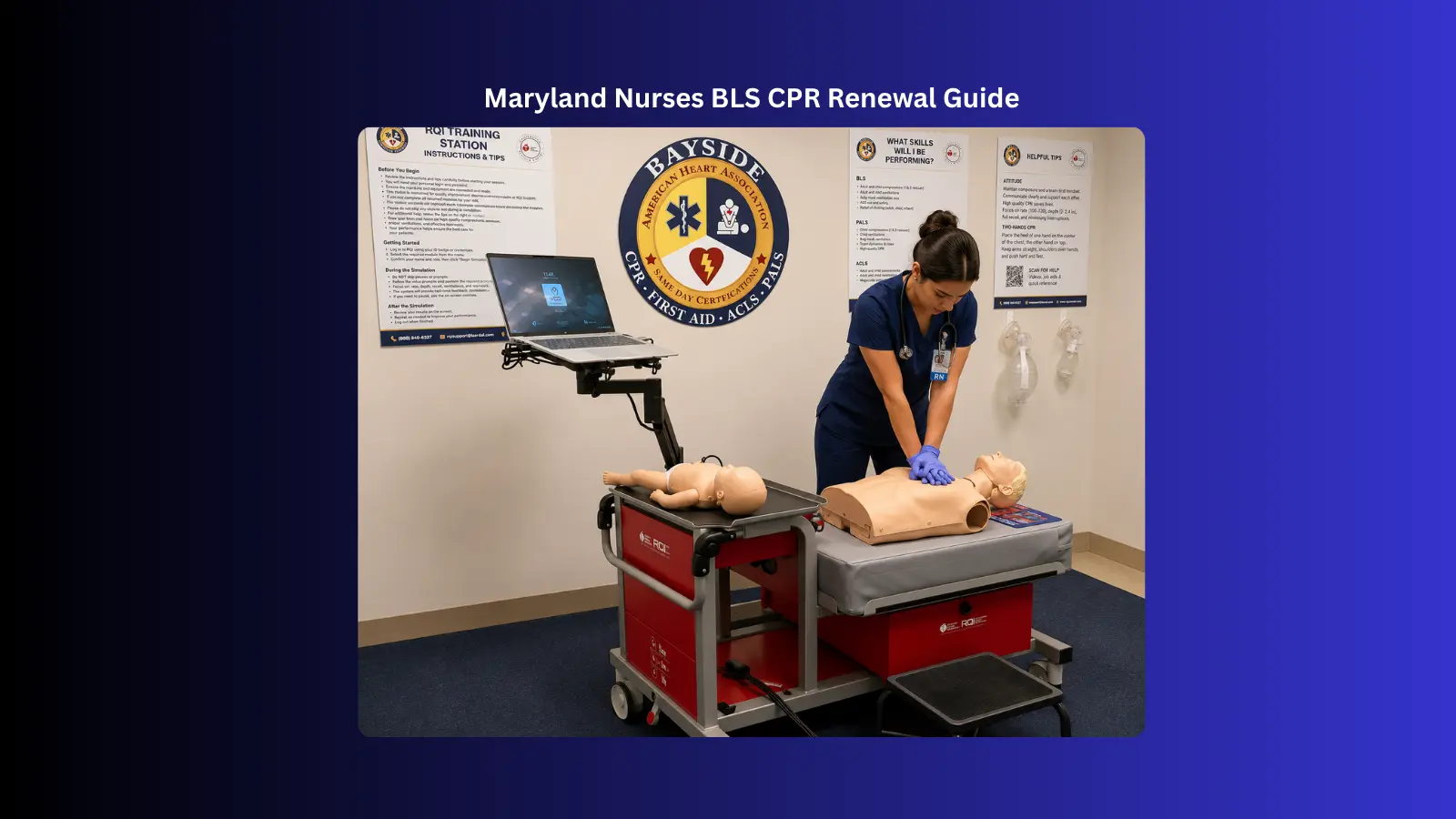
The blended learning format combines an online self-paced learning module with an in-person skills session. Nurses complete the cognitive portion of the course on their own time, then attend a brief skills check session to demonstrate hands-on competency. This flexible approach ensures you get certified without disrupting your professional commitments.
2) Instructor- Led Traditional classes
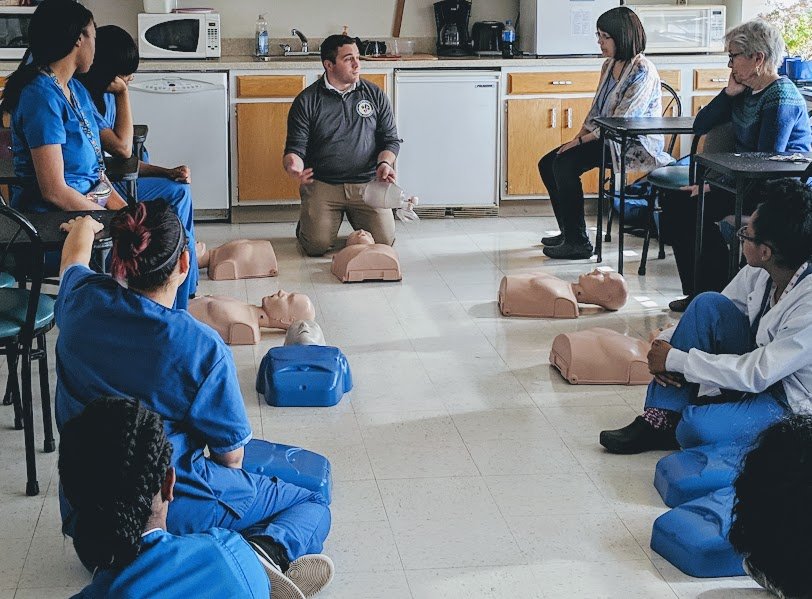
Traditional BLS renewal offers a structured approach for nurses who prefer a fully hands-on learning environment. The entire course is led by an instructor in a live classroom setting and typically takes about 3.5 hours to complete. At each step, nurses receive real-time feedback and direct guidance from the trainer.
What Is Covered in a BLS Renewal Course?
A BLS recertification is a focused refresher program designed for healthcare providers who already hold certification. Renewal courses reinforce essential life-saving skills while updating participants on current CPR and emergency response guidelines.
Key Components of a BLS CPR Renewal Course:
- High-Quality CPR: Proper chest compressions and rescue breathing techniques for adults, children, and infants
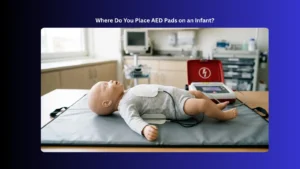
- AED Use: Safe and effective operation of an Automated External Defibrillator in emergencies, with guidance on critical moments such as what to do while the AED is analyzing.
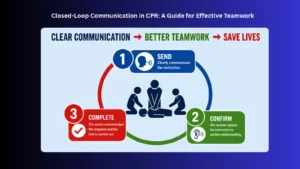
- Team Dynamics: Coordination and communication during multi-rescuer resuscitation scenarios
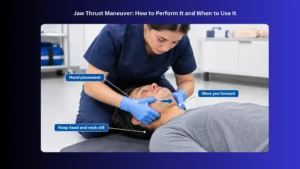
- Airway Management: Use of barrier devices and techniques to assist breathing and manage choking cases
- Special Emergencies: Recognition and response to situations such as choking and opioid-related emergencies
What Are the Benefits of BLS CPR Certification Renewal?
Renewing Basic Life Support (BLS) certification is essential for maintaining compliance with healthcare requirements while ensuring readiness to respond effectively in emergencies. Recertification also helps healthcare professionals stay updated with the latest resuscitation guidelines and maintain strong, confident life-saving skills.
Key Benefits of BLS CPR Renewal:
- Compliance and Employment Requirements: Most healthcare roles require a valid BLS certification, and timely renewal ensures continued eligibility to work without interruptions.
- Career Growth Opportunities: Keeping certification valid improves professional credibility and supports advancement into more responsible clinical roles. For professionals aiming to work in emergency rooms, the Code of Maryland Regulations (COMAR) mandates an appropriate Basic Life Support (BLS) credential.
- Updated Clinical Guidelines: Renewal training ensures alignment with the latest evidence-based CPR and emergency cardiovascular care standards.
- Improved Patient Outcomes: Up-to-date knowledge and techniques help deliver faster, more effective care in critical situations.
- Skill Retention and Practice: Regular renewal helps maintain CPR and AED skills, reinforcing muscle memory and response accuracy under pressure.
- Teamwork and Coordination: Training improves communication and role clarity during multi-rescuer emergency situations.
- Increased Confidence in Emergencies: Refreshed training helps reduce hesitation and supports quick, effective action during cardiac or respiratory emergencies.
How to Choose the Right Provider
When selecting a BLS renewal provider, the most important factor is accreditation. Always choose a course certified by the American Heart Association (AHA). Also, consider options that offer flexible scheduling and manageable class sizes. Select programs that are accepted by your employer and provide convenient locations or blended learning options that fit your clinical schedule.
For Maryland nurses seeking reliable BLS renewal, Bayside CPR offers AHA-certified courses designed to meet clinical requirements across the United States. Our training follows a blended learning approach, combining self-paced online coursework with hands-on skills sessions, focusing on real-world resuscitation skills and ensuring nurses remain confident and prepared for critical situations in clinical practice.
Get certified with Bayside CPR without disrupting your professional commitments.