
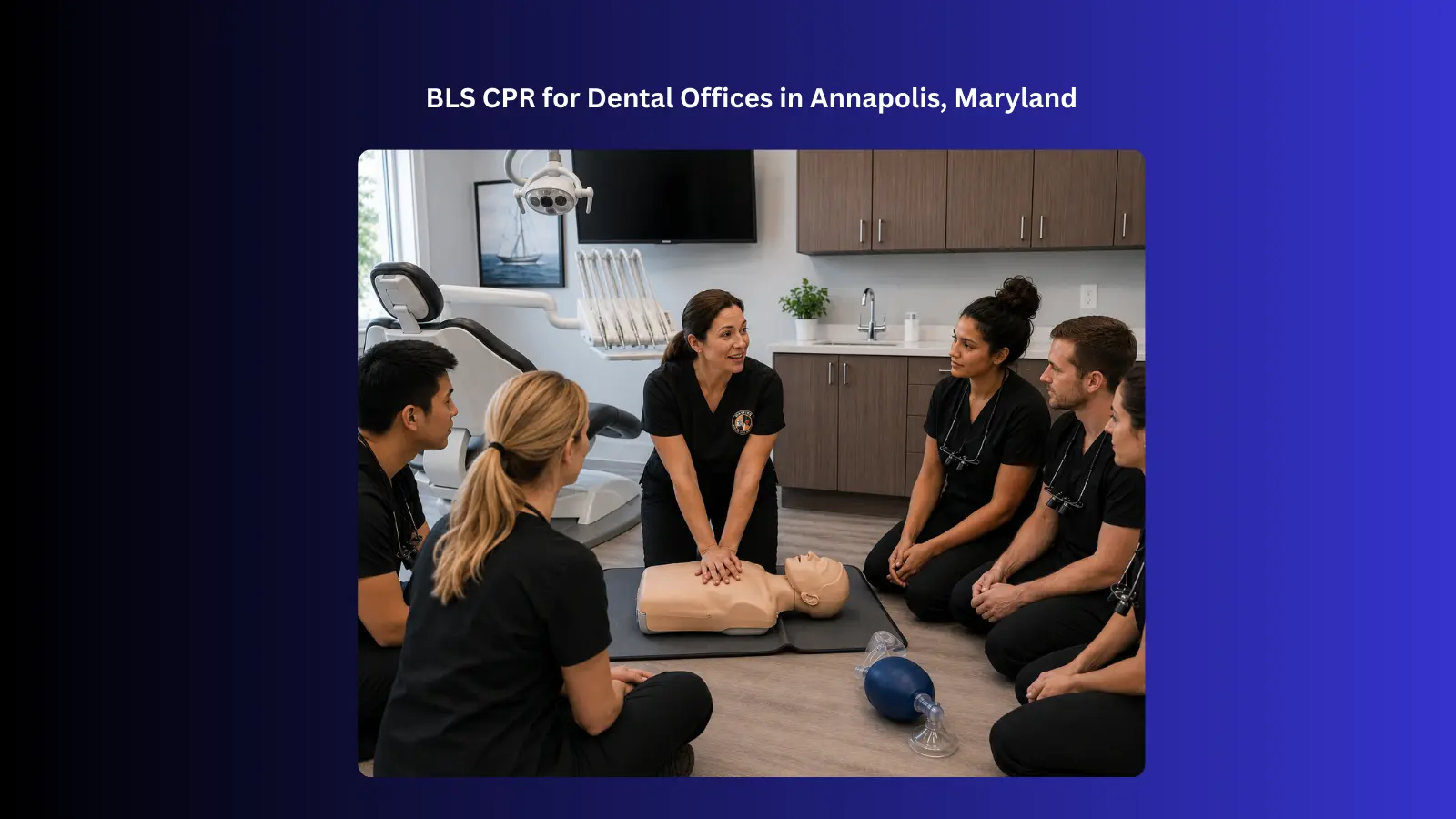
Dental professionals prioritize individuals‘ oral health, but unexpected medical emergencies can occur at any moment. A patient may experience a cardiac arrest, breathing difficulty, allergic reaction, or other urgent health concern during a routine procedure. In these moments, having current Basic Life Support (BLS) CPR certification helps dental teams respond quickly and confidently while waiting for advanced medical assistance.
For dental offices in Annapolis, Maryland, maintaining a BLS credential is more than a workplace requirement. The Code of Maryland Regulations (COMAR) mandates valid BLS certification for both licensed dentists and dental hygienists. This life-saving skill is an important part of maintaining patient safety and quality care.
Whether your team is renewing credentials or obtaining certification for the first time, BLS CPR training provides the practical knowledge and hands-on skills needed to effectively manage life-threatening situations. In this blog, we will explain why BLS CPR certification is important for dental professionals, what participants learn during the course, and the streamlined options for certifying an entire dental team.
Why BLS CPR Training Matters in Dental Settings?
Although dental procedures are generally safe, unexpected medical incidents can occur in any practice. Patients may have underlying health conditions, experience anxiety-related complications, or react to medications administered during treatment.
BLS CPR training helps dental professionals:
- Recognize signs of cardiac arrest and respiratory emergencies.
- Perform high-quality CPR for adults, children, and infants.
- Use an AED safely and effectively.
- Assist with choking emergencies.
- Support patients until emergency medical services arrive.
- Improve coordination during team-based emergency responses.
When every staff member understands their responsibilities during a crisis, patient care becomes more efficient and organized.
Common Medical Emergencies in Dental Offices
Dental professionals may encounter various emergencies that require immediate action, including:
- Cardiac Arrest: Cardiac arrest can occur during dental procedures, particularly in patients with underlying medical conditions or severe stress.
- Choking Incidents: Choking may occur during dental treatment when patients accidentally obstruct their airway with dental materials or appliances.
- Respiratory Distress: Breathing difficulties can result from asthma, allergic reactions, or existing medical conditions and require prompt attention.
- Allergic Reactions: Medications, latex, or dental materials may trigger allergic responses ranging from mild to severe.
- Medical Conditions and Health Complications: Patients with conditions such as diabetes, cardiovascular disease, or epilepsy may experience sudden complications such as fainting, seizures, chest pain, or blood sugar changes during dental visits.
Skills Covered in BLS CPR Training
A comprehensive BLS CPR course provides instruction on essential life-saving techniques that healthcare providers use in emergencies.
Participants learn how to:
1. Deliver High-Quality CPR
Proper chest compression depth, rate, and technique are critical components of successful resuscitation efforts. Training helps providers perform CPR in accordance with current evidence-based guidelines.
2. Use an AED
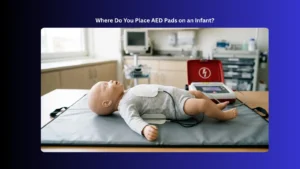
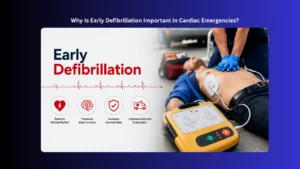
An Automated External Defibrillator can restore a normal heart rhythm during certain cardiac emergencies. Participants learn how to use an AED safely and effectively as part of the emergency response process.
3. Manage Airway Emergencies
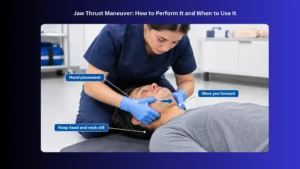
Maintaining an open airway is a key aspect of emergency care. Training includes techniques for assisting patients experiencing breathing difficulties.
4. Respond to Choking Emergencies
Dental professionals learn appropriate interventions for conscious and unconscious choking victims across different age groups.
5. Work Effectively as a Team
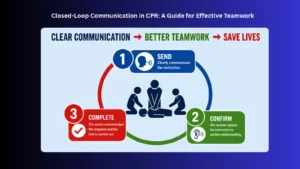
Emergencies often require multiple responders. BLS CPR training reinforces effective team dynamics, communication, role assignment, and coordinated action to improve patient outcomes.
Streamlined Certification with Group Training Options for Dental Offices
Team-based training helps to certify your entire group faster, ensuring consistency in knowledge and coordination during medical emergencies. This approach strengthens communication among staff members and promotes a unified response in clinical settings.
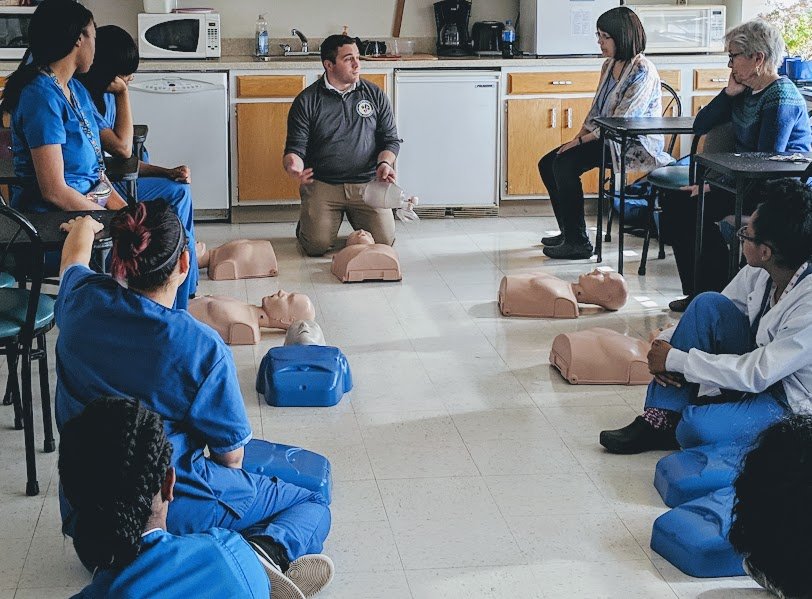
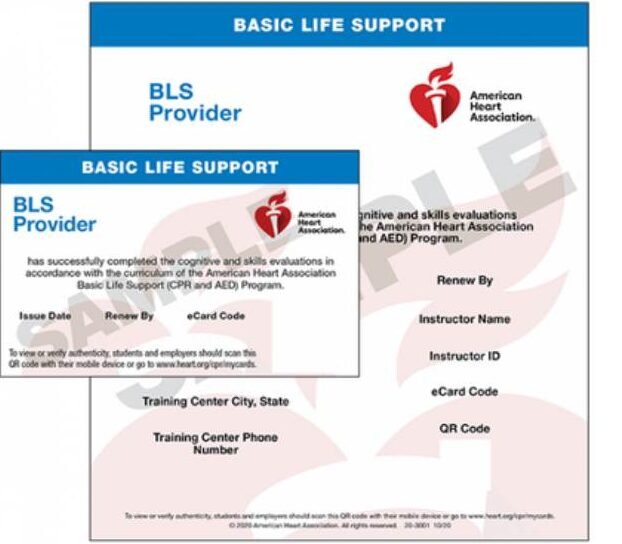
In our flexible group training format, team members complete the online learning component at their own pace without disrupting clinical responsibilities. Once the online coursework is finished, our certified instructor travels directly to your workplace, fully equipped with all necessary tools and materials, to conduct a hands-on skills session. This ensures standardized, practical training for the entire team in the comfort of their own clinical environment. Each member receives an AHA BLS eCard on the same day upon completion.
How Often Should Dental Professionals Renew BLS CPR Certification?
Your AHA BLS CPR certification remains valid for 2 years, making timely renewal essential for staying compliant and ready. Renewal training helps dental professionals stay current with the latest resuscitation guidelines and refresh essential skills. Active certification ensures that dental teams remain prepared to respond effectively whenever an emergency arises.
Register Your Dental Team for BLS CPR Certification in Annapolis, Maryland
Medical emergencies can happen in any dental practice, regardless of its size or specialty. BLS CPR certification equips dental professionals with the knowledge and practical skills needed to respond quickly when patient safety is at risk. For dental offices in Annapolis, Maryland, Bayside CPR offers an efficient way to maintain certification through group training options. Team members can complete the required training with minimal disruption to daily clinical responsibilities. Dental offices can also rent a CPR verification station for on-site skills assessment, allowing participants to achieve individual certification after finishing their training.