
If you’ve ever wondered whether you could step in during a cardiac emergency, you’re asking the right question. The quick answer: yes, Cardiopulmonary Resuscitation (CPR) is definitely something you can learn, and sooner than you might think. CPR is an emergency life-saving technique used when a person’s heart stops beating or they stop breathing. The main purpose of CPR is to maintain blood flow and deliver oxygen to the brain and other vital organs until professional medical help can take over.
CPR is needed in several critical situations, including cardiac arrest, drowning, choking, severe injuries, or any event where breathing or heartbeat has stopped. Acting quickly in these moments can significantly improve the chances of survival and reduce the risk of brain damage.
The technique has two basic components. The first is chest compressions, which involve pressing hard and fast in the center of the chest to manually pump blood through the body. The second is rescue breaths, where air is given to the person to supply oxygen. In many cases, especially for untrained individuals, hands-only CPR (chest compressions without rescue breaths) is recommended and can still be highly effective.
Who Should Learn CPR?
CPR is a skill that everyone can benefit from learning, regardless of age or profession. Emergencies can happen anytime and anywhere, and having more people trained in CPR increases the chances that someone nearby can respond quickly and effectively.
Some groups, however, may find it especially important to learn CPR:
- Parents and Caregivers: They are often the first responders in emergencies involving children, infants, or elderly family members.
- Teachers and Coaches: Responsible for the safety of students and athletes, they may need to act quickly during school or sports activities.
- Workplace Employees: Many organizations encourage CPR training to improve overall safety and preparedness on the job.
- Students: Learning CPR at a young age builds confidence and equips them with a valuable life skill they can use throughout their lives.
Ultimately, the more people who know CPR, the safer communities become.
Benefits of Learning CPR
Learning CPR offers a range of important benefits that go beyond just acquiring a new skill. It empowers individuals to act quickly and effectively in life-threatening situations.
- Ability to Save Lives: CPR can keep someone alive until medical professionals arrive, significantly increasing their chances of survival during emergencies like cardiac arrest.
- Increased Confidence in Emergencies: Knowing what to do in a crisis reduces panic and helps you respond calmly and decisively.
- Helps Communities Become Safer: When more people are trained in CPR, communities are better prepared to handle emergencies, creating a stronger and more responsive support system.
- Valuable Skill for Many Professions: CPR training is often required or highly valued in fields such as healthcare, education, fitness, childcare, and public safety.
Overall, learning CPR is a simple step that can make a powerful difference—not only for individuals but for society as a whole.
What Makes CPR Easy to Learn?
CPR is easy to learn because it focuses on a few clear actions that anyone can follow with basic practice. With simple guidance and short training, most people can gain the skills and confidence to help in an emergency.
1. Simple Steps
CPR is simple and easy to remember. The basic idea is often described as “push hard and fast” in the center of the chest. Because the process focuses on a few clear actions and follows a steady rhythm, beginners can quickly learn how to perform effective chest compressions without needing complicated techniques.
2. Short Training Time
Learning CPR doesn’t take much time. Many courses can be completed in just a few hours, which makes them convenient for people with busy schedules. Training is available both online and in person, so learners can choose the option that best fits their availability and preferred learning style.
3. Practical, Hands-On Learning
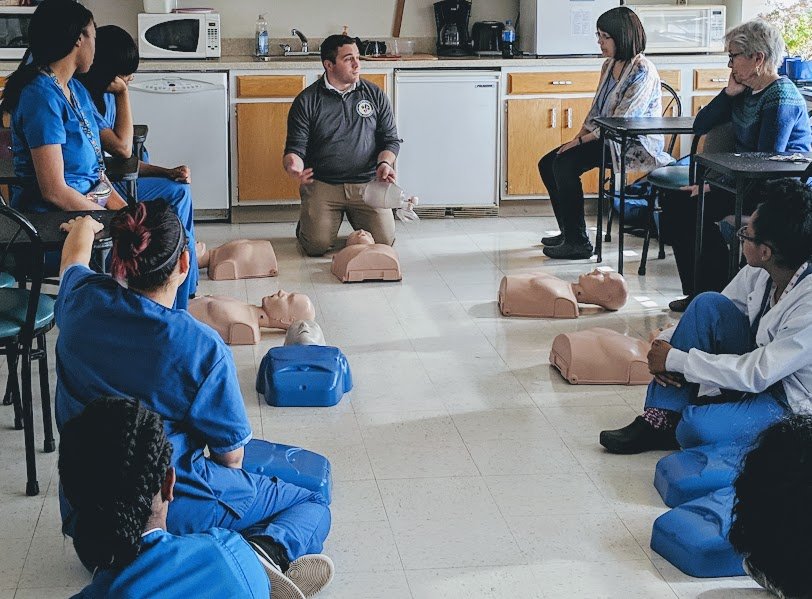
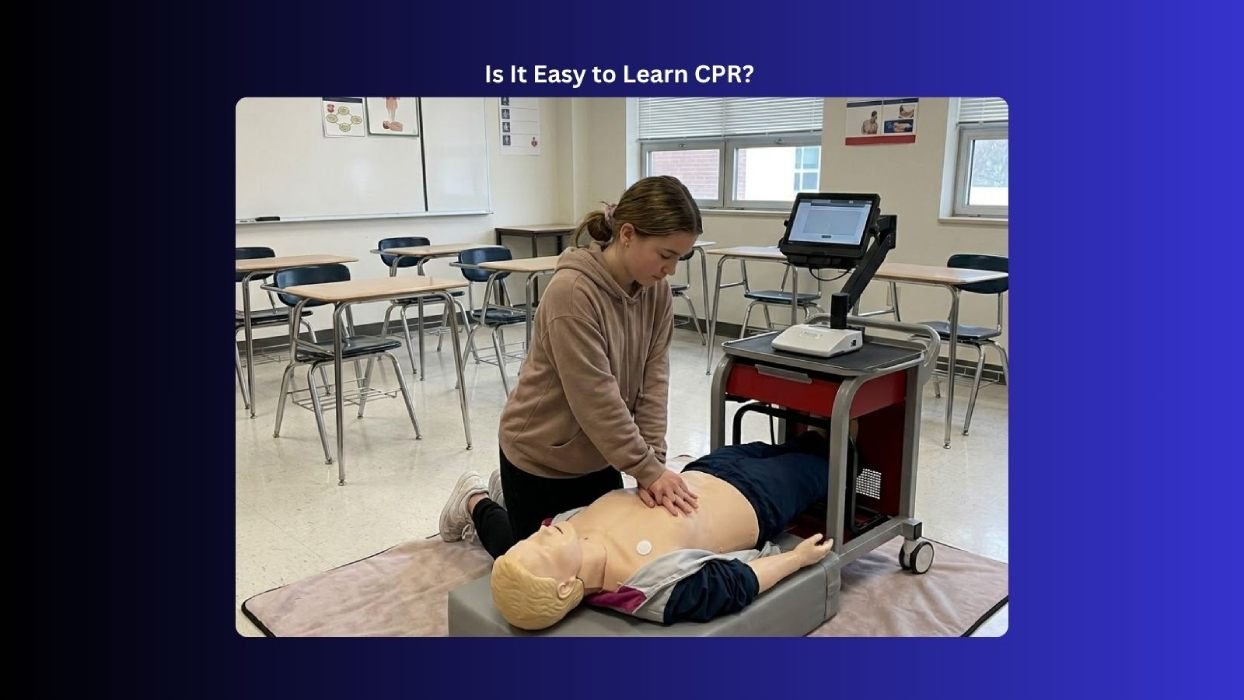
CPR training usually includes hands-on practice with mannequins. This allows learners to experience the correct pressure, depth, and rhythm needed for compressions. With guidance from instructors, participants can build confidence and better prepare to apply their skills in real-life situations.
4. Clear Guidelines
CPR follows clear guidelines developed by well-known health organizations. These step-by-step instructions make the process easier to understand, remember, and apply consistently across different situations and training programs.
What Can Be Challenging During CPR?
While CPR is relatively simple to learn, some people may still face a few challenges when applying it in real-life situations.
- Fear of Doing It Incorrectly: Many individuals worry about making a mistake or causing harm. This fear can sometimes prevent people from taking action, even though any attempt at CPR is better than none.
- Remembering Steps Under Pressure: In an emergency, stress and panic can make it difficult to recall the correct steps or maintain the proper rhythm and technique.
- Physical Effort Required for Compressions: Performing chest compressions requires strength and stamina, especially if CPR needs to be continued for several minutes before help arrives.
- Emotional Stress in Real Emergencies: Seeing someone in a life-threatening condition can be overwhelming. Emotional pressure may affect a person’s ability to stay calm and focused while performing CPR.
Despite these challenges, proper training and practice can help build confidence and prepare individuals to respond effectively when it matters most.
How Long Does It Take to Learn CPR?
Learning CPR is quick, and most people can understand the fundamentals through a brief class or workshop. With some focused guidance and practice, you can rapidly build the confidence needed to respond effectively in an emergency.
- Basic CPR: The fundamentals can often be learned in just a few hours, especially in short introductory sessions or workshops.
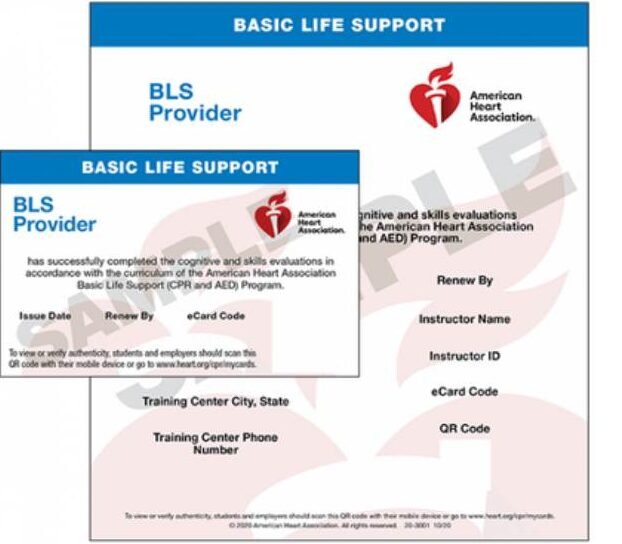
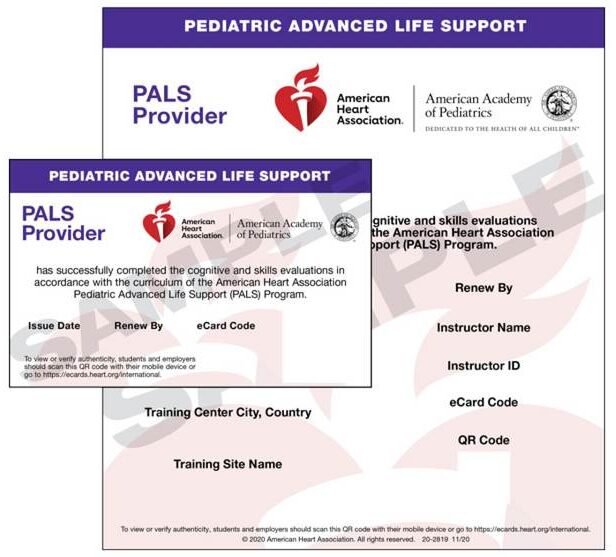
- Certification Courses: More comprehensive CPR classes include an online portion that generally takes approximately 1–2 hours for BLS, 2–3 hours for ACLS, and 3–4 hours for PALS, followed by about 30 minutes for hands-on skills.
- Refresher Courses: It is recommended to take refresher training regularly to keep skills sharp and stay updated with any guideline changes.
Overall, CPR is a relatively quick skill to learn, but regular practice and review help ensure you remain confident and prepared in a real emergency.
What You’ll Actually Learn In CPR
When you take a CPR course, you’ll gain both theoretical knowledge and practical skills to respond effectively in emergencies. The training is structured to be easy and hands-on so you can act with confidence.
- How to Recognize an Emergency: Learn how to identify when someone is unresponsive, not breathing normally, or experiencing cardiac arrest.
- How to Assess the Situation Safely: Understand how to check the scene for safety before approaching and assisting the person.
- Chest Compression Technique: Learn the correct hand placement, depth, and rhythm for performing effective chest compressions.
- Rescue Breathing (In Some Courses): Some training includes how to give rescue breaths and when they are appropriate to use.
- Hands-only CPR: Many courses emphasize hands-only CPR for untrained bystanders, focusing on continuous chest compressions without rescue breaths.
- Use of an AED: Learn how to operate an AED (Automated External Defibrillator), which delivers an electric shock to help restore a normal heart rhythm.
- Responding to Choking Emergencies: Basic instructions on how to help someone who is choking and unable to breathe.
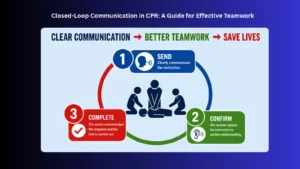
- Emergency Response Steps: Training often includes how to call for help, communicate with emergency services, and stay calm under pressure.
Overall, CPR training equips you with practical, life-saving skills that can make a critical difference in emergencies.
Tips to Learn CPR Quickly and Effectively
Learning CPR can give you the confidence to help save a life in an emergency. With the right approach, you can build this skill quickly and keep it ready when it matters most.
- Take a Certified Course: Enroll in a recognized CPR training program to receive proper instruction, hands-on practice, and guidance from trained professionals. This ensures you learn the correct techniques from the start.
- Practice Regularly: Repetition helps reinforce muscle memory. Practicing compressions and reviewing steps periodically will help you retain the skills longer and perform them more confidently.
- Watch Instructional Videos: Visual learning can make it easier to understand the correct technique, rhythm, and body positioning. Videos can also serve as helpful refreshers after training.
- Use Memory Aids (E.g., Rhythm Songs Like “Stayin’ Alive”): Keeping a steady beat in mind can help maintain the correct compression rate. Familiar rhythms make it easier to remember the pace during an emergency. Explore the ultimate CPR playlist to help you stay on beat.
- Stay Calm and Focused: In real situations, maintaining composure is key. Taking a moment to focus on the steps you’ve learned will help you act more effectively under pressure.
Do You Need to Keep Practicing CPR?
Yes, regular practice is important to maintain your CPR skills and confidence. Even though CPR is relatively easy to learn, it is not something most people use frequently, so skills can fade over time if they are not refreshed.
Practicing CPR helps reinforce proper technique, including the correct hand placement, compression depth, and rhythm. It also improves your ability to stay calm and act quickly during an emergency, when stress and panic can make it harder to remember what to do.
Many experts recommend taking refresher courses periodically, especially if your certification has expired or guidelines have been updated. Short practice sessions, reviewing instructional materials, or attending refresher training can help ensure you remain prepared to respond effectively when it matters most.
CPR Made Simple: Anyone Can Learn to Save a Life
In summary, learning CPR is not difficult when approached with the right mindset and a bit of practice. The steps are easy, the training is usually short, and most people can build the basic skills in a very short time. Although real emergencies can feel stressful and challenging, having even a basic understanding of CPR can make a meaningful difference and help you act with confidence instead of hesitation. With regular practice and a willingness to learn, anyone can become prepared to respond in a life-threatening situation and possibly help save a life. Emergencies can happen at any time, so preparation shouldn’t be delayed. Bayside CPR offers fast, flexible CPR courses prepared to fit in your schedule.