
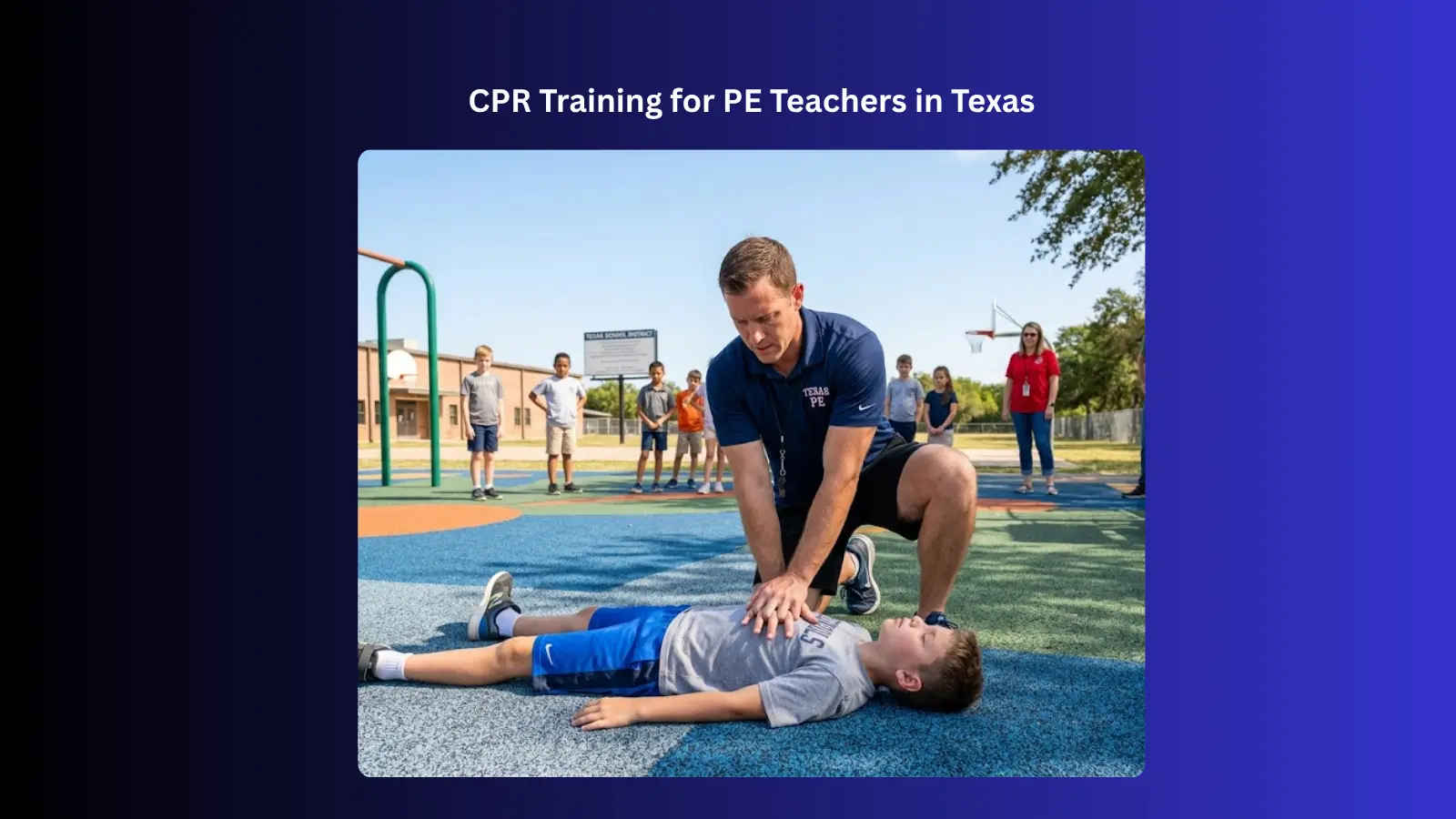
Physical education teachers spend every school day supervising activities that involve running, jumping, lifting, and competitive sports. Classes often take place in gyms, athletic fields, tracks, and outdoor spaces where students are constantly active. While physical activity promotes health and fitness, it also creates situations in which injuries or unexpected medical emergencies can occur without warning.
A student may suddenly collapse from an undiagnosed heart condition, experience a severe asthma attack during exercise, suffer a serious head injury after a collision, or have a life-threatening allergic reaction. Since PE teachers are usually the closest adults during these activities, they are often the first people expected to respond until emergency medical services arrive.
This guide explains whether PE teachers need CPR certification in Texas, what is covered during training, and how often certification must be renewed.
Why CPR Training Matters for Physical Education Teachers
Physical education classes involve continuous movement, organized sports, fitness testing, and outdoor activities where injuries and medical emergencies can occur unexpectedly. A teacher trained in CPR is equipped to recognize cardiac arrest, respond to choking, or assist a student experiencing a medical crisis until advanced medical help arrives.
Beyond emergency response, CPR training also builds confidence and preparedness. Teachers learn to stay calm under pressure, assess a situation quickly, perform high-quality CPR, operate an AED, and follow established emergency procedures. These skills help create a safer learning environment for students, staff, and visitors.
Is CPR Training Mandatory for PE Teachers in Texas?
Yes, CPR training is mandatory for physical education teachers employed by Texas school districts. Under Texas Education Code §22.902(c), physical education instructors are required to receive and maintain certification in Cardiopulmonary Resuscitation (CPR) and the use of an Automated External Defibrillator (AED). The law also specifies that certification must be obtained through the American Heart Association, the American Red Cross, or another nationally recognized organization that provides equivalent training and instruction.
Furthermore, physical education teachers regularly supervise students during sports, fitness activities, and other physically demanding exercises where quick emergency response skills are especially valuable. Maintaining current CPR and AED certification allows them to provide immediate care until emergency medical services arrive. This requirement also helps PE teachers remain compliant with Texas law throughout their employment.
Emergencies PE Teachers May Encounter
Physical education teachers may face a wide range of emergencies during school activities. Proper CPR and First Aid training prepares them to recognize life-threatening conditions and take appropriate action during an emergency.
Common emergencies include:
- Sudden cardiac arrest
- Choking incidents
- Asthma attacks
- Heat exhaustion
- Heat stroke
- Severe allergic reactions
- Head injuries and concussions
- Seizures
- Sports-related fractures and sprains
- Loss of consciousness
What Do You Learn in a CPR Certification Course?
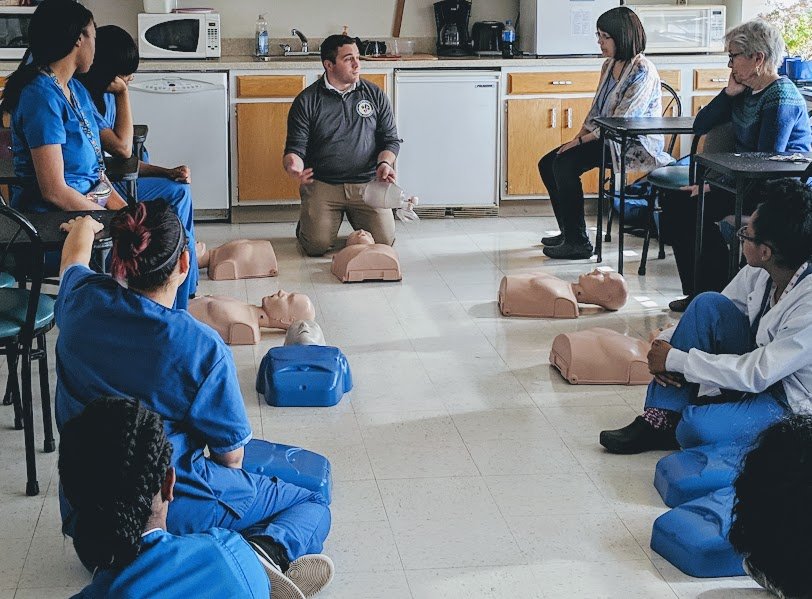
A CPR certification course prepares participants to respond effectively during life-threatening emergencies. Through a blended learning format, students complete the online portion before demonstrating their skills during a hands-on training session. This approach provides flexibility while ensuring participants gain the practical experience needed to perform CPR with confidence.
CPR courses cover:
Scene Assessment and Emergency Activation
Every CPR course begins by teaching participants how to assess an emergency scene before providing care. Teachers learn how to identify potential hazards, check whether the student is responsive, and determine if CPR is needed. Training also covers how and when to call 911 or direct another person to contact emergency medical services while care is being provided.
Chest Compressions
High-quality chest compressions are a core part of every CPR course. Participants learn the correct hand placement, compression depth, and compression rate needed to help maintain blood circulation during cardiac arrest. Training also emphasizes the importance of allowing the chest to fully recoil and minimizing interruptions between compressions to improve CPR effectiveness.
Rescue Breathing
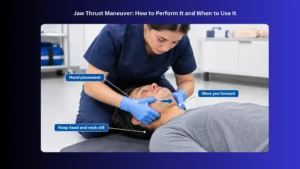
Rescue breathing is an important part of CPR training when ventilation is required. The course explains how to open the airway, create an effective seal, and deliver breaths that produce visible chest rise without excessive ventilation. Participants also learn how to use barrier devices, such as face shields or pocket masks, to reduce direct contact during rescue breathing.
Automated External Defibrillator Training
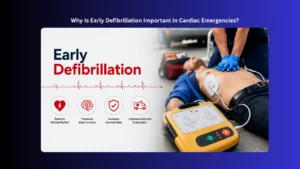
Teachers learn how to operate an Automated External Defibrillator by turning it on, correctly placing the electrode pads, following the voice prompts, and delivering a shock when advised. The course also explains how CPR and AED use work together to improve the chances of survival during sudden cardiac arrest.
CPR Techniques for Different Age Groups
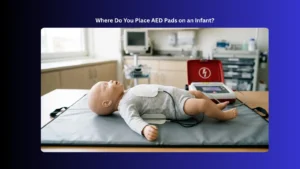
CPR procedures vary depending on whether the victim is an adult, child, or infant. Training teaches the modifications required for each age group, including differences in hand placement, compression depth, rescue breathing, and AED pad placement. These adjustments help ensure care is provided safely and effectively.
Choking Relief
Participants also learn how to recognize and treat choking emergencies. Training covers the appropriate techniques for conscious and unconscious adults, children, and infants, including back blows, abdominal thrusts when appropriate, and the steps to follow if the person becomes unresponsive.
How Often Should CPR Certification Be Renewed?
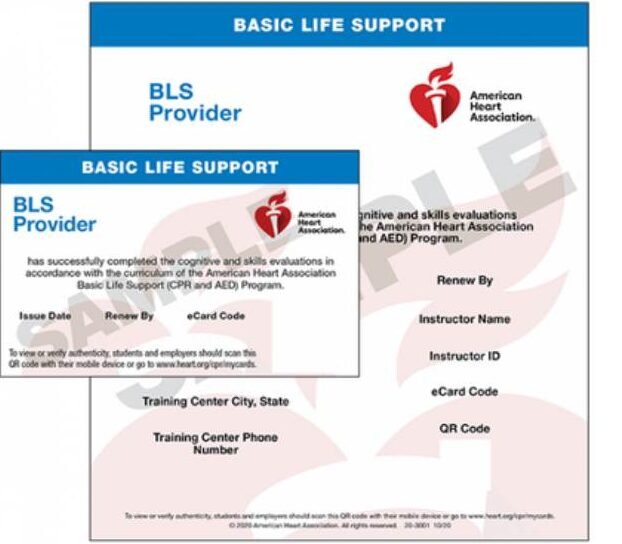
Your American Heart Association CPR certification remains valid for two years from the date it is issued. Renewing before the expiration date helps maintain an active credential and keeps you up to date with the latest CPR guidelines and techniques.
Many Texas school districts require physical education teachers to maintain current CPR credentials throughout their employment. An active CPR certification helps you stay in compliance with district policies and remain eligible for teaching or coaching responsibilities.
Get CPR Certified with Bayside CPR
Whether you need CPR certification for your job, to meet state or employer requirements, or to prepare for critical situations, choosing the right training provider is essential. A quality CPR course should provide current, guideline-based training, hands-on skills evaluation, and a certification that meets employer and professional requirements.
At Bayside CPR, we offer AHA BLS, ACLS, PALS, and Heartsaver CPR AED courses through a flexible blended learning format that fits your schedule. Our self-guided training helps build the confidence and competency needed to respond in real-world emergencies. Your official AHA eCard is issued the same day, making it easy to meet school district requirements and keep your certification current.