
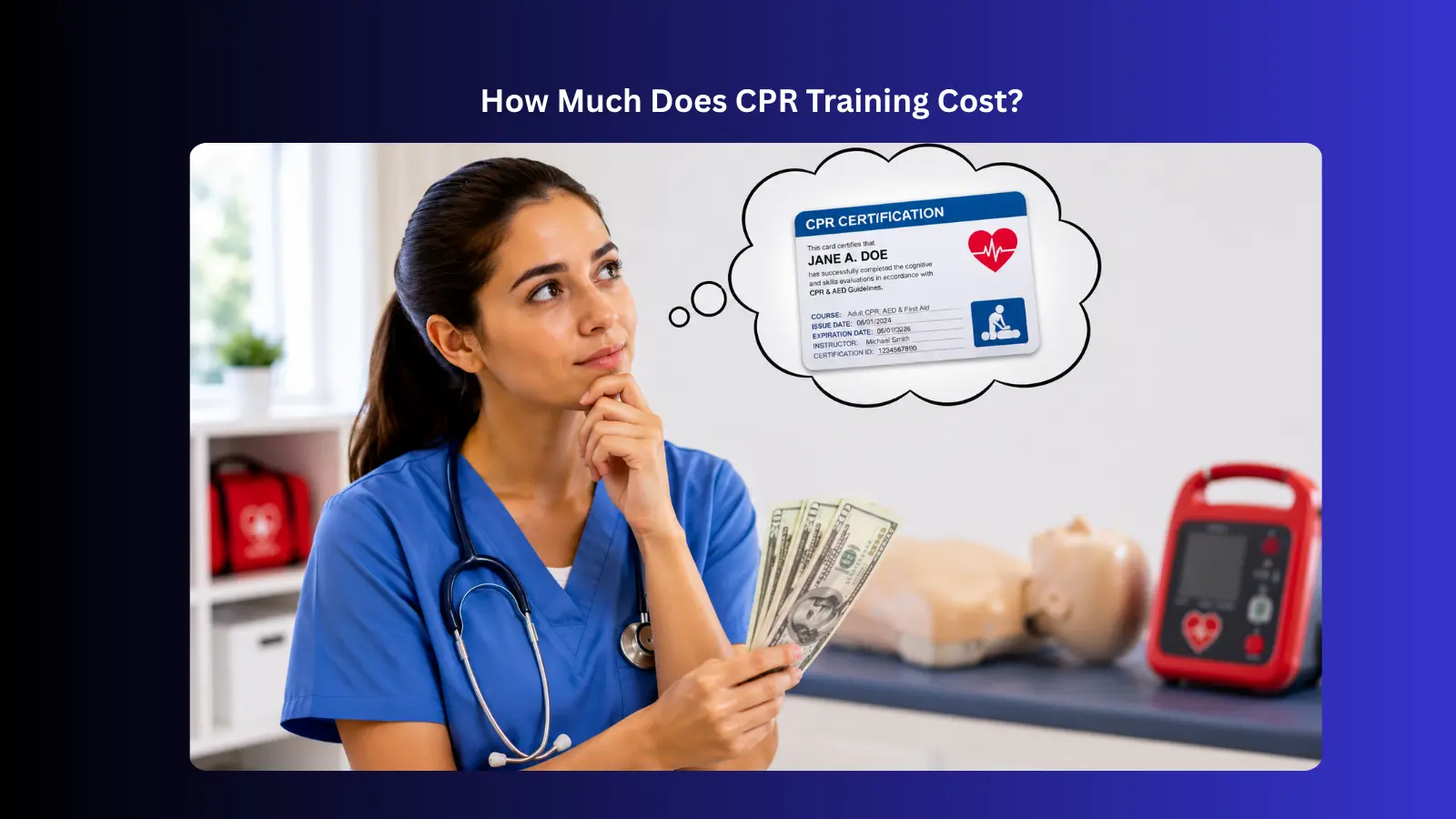
Learning CPR is one of the most valuable skills a person can have, yet many people hesitate to enroll simply because they are unsure about the cost. A quick online search often shows a wide range of prices, making it difficult to know what you should actually expect to pay. The reality is that CPR training costs vary based on the course, certification level, training provider, and learning format.
Healthcare professionals, teachers, childcare providers, coaches, workplace employees, and community members all have different training needs. A basic CPR course for the general public is typically more affordable than advanced certifications for healthcare professionals. Understanding these differences helps you choose the right class without paying for training you do not need.
This guide explains the cost of CPR training, the factors that influence pricing, what is included in the course fee, how to compare training providers, and ways to save money on CPR certification. By the end, you will have a clear idea of what to expect before registering for a CPR class.
What Affects the Cost of CPR Training?
Several factors determine how much you will pay for CPR training. Reviewing these details before registering can help you choose the right course at the right price.
Some of the most common pricing factors include:
- Course level: Basic community CPR courses generally cost less than BLS, ACLS, or PALS certifications for healthcare professionals.
- Training format: Traditional classroom courses, blended learning, and private onsite training have different pricing structures.
- Certification provider: Courses offered by organizations such as AHA or ARC have different pricing based on certification requirements, course materials, and training format.
- Course length: Longer courses covering multiple skills generally cost more than CPR-only classes.
- Training location: Costs vary from one city or state to another due to operating expenses.
- Initial Certification vs. Renewal: First-time participants often pay more than those renewing an existing certification.
CPR Training Cost
Entry-level CPR courses for the general public are usually the most affordable, while professional healthcare courses require more comprehensive instruction and therefore cost more.
Bayside CPR Course Pricing
The table below outlines the current course fees at Bayside CPR for both the complete blended learning option and the skills check-only option.
| Course Type | Blended Learning (Online + Skills Check) | Skills Check Only |
| Heartsaver CPR AED | $125 | $95 |
| Heartsaver First Aid CPR AED | $135 | $100 |
| BLS Certification | $120 | $90 |
| ACLS Certification | $295 | $150 |
| PALS Certification | $295 | $150 |
Blended learning includes the online coursework followed by a hands-on skills check at one of our CPR verification stations. Participants who have already completed the required online course can choose the skills check-only option to complete their certification.
What Is Covered in a CPR Certification Course?
Course content depends on the certification you choose. Heartsaver courses focus on emergency response for the general public and workplace settings, while BLS, ACLS, and PALS provide more advanced training for healthcare professionals responsible for managing cardiac, respiratory, and pediatric emergencies.
Heartsaver CPR AED
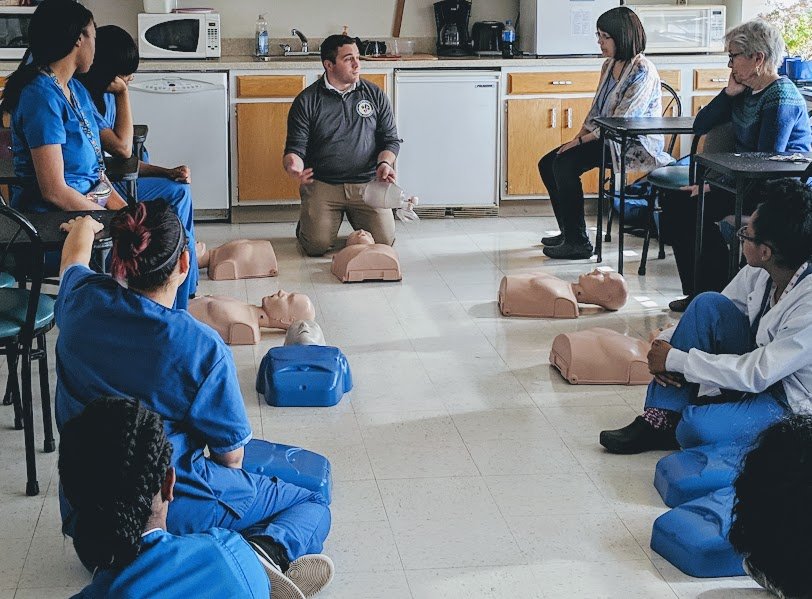
Heartsaver CPR AED teaches the essential skills needed to respond to sudden cardiac arrest. Participants practice CPR for adults, children, and infants, learn how to use an automated external defibrillator safely, and understand the steps to take until emergency medical services arrive. Teachers, coaches, fitness instructors, workplace employees, and other community members commonly enroll in this course to gain essential lifesaving skills.
Heartsaver First Aid CPR AED
Participants develop a broader emergency response skill set by combining CPR and AED training with first aid. The course teaches how to treat common injuries and sudden illnesses, including bleeding, burns and scalds, choking, fractures, allergic reactions, and other medical emergencies commonly encountered at home, work, or in public settings. Many employers recommend this certification for childcare providers, camp staff, workplace safety teams, and employees responsible for workplace safety and emergency response.
Basic Life Support (BLS)
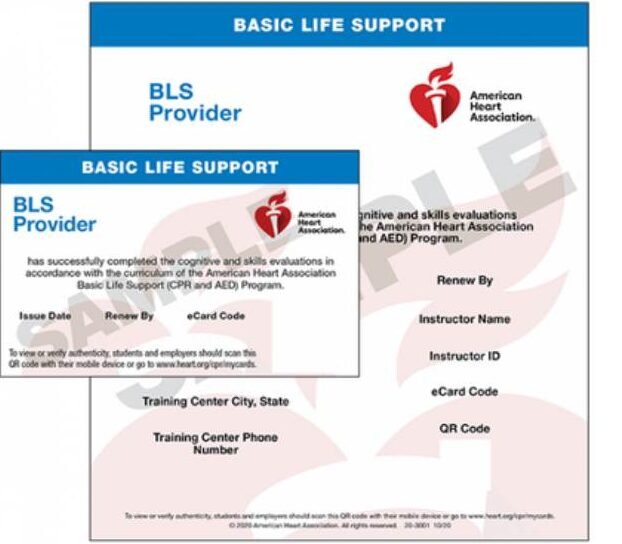
BLS prepares healthcare professionals to deliver lifesaving resuscitation in clinical settings. Training covers high-quality CPR, effective ventilation, AED operation, choking relief, and communication during team-based resuscitation. Healthcare professionals such as nurses, physicians, emergency medical technicians, dental professionals, and medical assistants often need this certification to meet employer requirements.
Advanced Cardiovascular Life Support (ACLS)
ACLS focuses on the management of adult patients experiencing cardiovascular emergencies. Beyond CPR, participants practice interpreting cardiac rhythms, managing advanced airways, applying treatment algorithms, and demonstrating effective teamwork during resuscitation efforts. This certification is typically required for healthcare providers who care for critically ill adult patients in emergency, critical care, and other advanced clinical settings.
Pediatric Advanced Life Support (PALS)
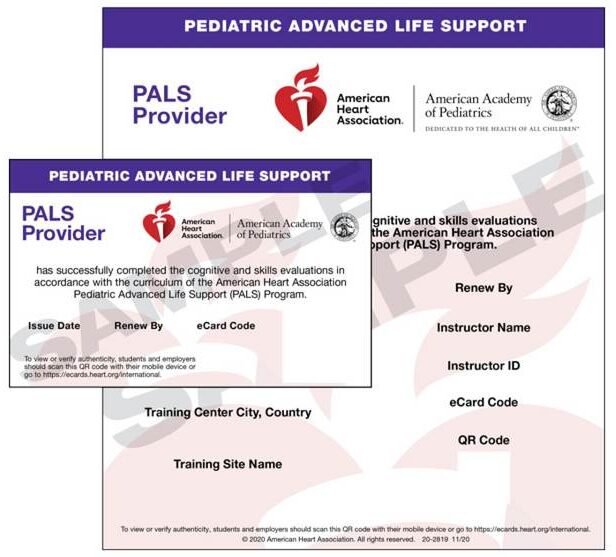
PALS develops the knowledge needed to care for infants and children during respiratory and cardiovascular emergencies. The curriculum emphasizes pediatric assessment, age-specific interventions, airway management, and early recognition of a child’s declining condition to support timely treatment. Pediatricians, pediatric nurses, emergency physicians, paramedics, and other healthcare professionals who treat infants and children commonly complete this course.
Is CPR Certification Included in the Course Fee?
Many CPR training providers include the certification fee in the total course price, while others may charge separately for course materials or certification cards. Reading the course description carefully helps you understand exactly what is covered before you register.
A typical CPR course fee may include:
- Online or classroom instruction
- Hands-on skills practice
- Instructor guidance
- Skills assessment
- Digital certification card
- Course completion documentation
Some providers may also offer printed certification cards or replacement cards for an additional fee.
How long is an AHA-approved CPR Certification Valid?
All AHA-approved CPR certifications are valid for two years from the date of course completion. This includes Heartsaver CPR AED, Heartsaver First Aid CPR AED, Basic Life Support (BLS), Advanced Cardiovascular Life Support (ACLS), and Pediatric Advanced Life Support (PALS). Renewing your certification before it expires helps you maintain an active credential and stay current with the latest American Heart Association guidelines.
Keeping your certification up to date is important for healthcare professionals, employees, and anyone whose role requires a valid CPR credential. An expired certification may no longer meet employer, licensing, or organizational requirements, and some individuals may need to complete additional training before becoming certified again. Renewing on time helps ensure uninterrupted certification and continued readiness to respond during an emergency.
Are There Ways to Save Money on CPR Training?
Finding affordable CPR training does not always mean choosing the lowest-priced class. Many providers offer discounts throughout the year, making professional certification more accessible.
You may be able to reduce your training costs by:
- Registering during promotional periods
- Joining group training sessions
- Asking about student, military, or senior discounts
- Checking whether your employer offers reimbursement
- Comparing several certified training providers in your area
- Looking for package pricing when enrolling in multiple courses
Taking a few minutes to compare available options can help you receive quality training at a reasonable price.
Can Employers Pay for CPR Training?
Many employers cover the cost of CPR certification for employees whose jobs require it. Healthcare facilities, schools, childcare centers, fitness organizations, manufacturing companies, and public safety agencies frequently reimburse or directly pay for employee training.
If CPR certification is required for your position, ask your employer whether they provide reimbursement, onsite training, or partnerships with local training providers before paying out of pocket.
What Should You Look for Beyond the Price?
Cost is only one part of choosing a CPR course. Selecting the right provider also means evaluating the overall learning experience and the value you receive after completing the training.
Before enrolling, consider:
- Whether the provider offers certification accepted by your employer or licensing organization
- The learning format, such as blended learning with online coursework and a hands-on skills check
- Flexible scheduling that fits your availability
- Convenient training locations for completing the required skills check
- What is included in the course fee, including online learning, hands-on skills check, and certification
- When and how you will receive your certification after completing the course
- Student reviews and the provider’s reputation
A provider that offers recognized certification, flexible scheduling, transparent pricing, and convenient training locations can make the certification process more efficient while ensuring your certification meets employer and licensing requirements.
Get Certified with Bayside CPR
Comparing CPR training providers can be difficult when course prices, certification options, and what is included vary from one provider to another. Choosing a provider that offers transparent pricing and recognized credentials helps you make an informed decision while avoiding unnecessary expenses.
Bayside CPR offers competitively priced AHA-approved certification courses with no hidden fees. Choose from blended learning or skills check-only options based on your training needs, complete your certification at one of our convenient training locations, and receive your digital eCard the same day.