
Ocean City, Maryland, welcomes more than 8 million visitors each year for vacations, family activities, local attractions, and recreational experiences. Hotels, community pools, water parks, and other aquatic facilities often see increased activity during the busy tourist season, making safety and emergency preparedness a top priority. Aquatic facility staff play a critical role in maintaining a safe environment by staying prepared to respond quickly during emergencies.
The responsibilities of aquatic facility staff extend beyond supervising swimmers. Medical emergencies such as cardiac arrest, drowning incidents, breathing difficulties, and other life-threatening situations can occur without warning. BLS CPR training provides the knowledge and hands-on skills needed to respond during critical situations.
In this blog, we’ll explore why BLS CPR training is important for aquatic facility staff in Ocean City, the skills covered during training, and the certification options available for group training.
Why BLS CPR Training Matters for Aquatic Facility Staff
Aquatic facilities operate in environments where emergencies can occur without warning. Whether serving guests at a hotel pool, community pool, recreation center, or other aquatic facility, staff members may need to respond before emergency medical services arrive. Maintaining current BLS CPR certification helps facilities strengthen emergency preparedness and support a safer environment for swimmers, guests, and employees.
Furthermore, under the Code of Maryland Regulations (COMAR), recreational pools, public spas, and certain limited public use pools must have at least one person on-site with current CPR and first aid certification whenever the facility is open. The regulations recognize the American Heart Association as an approved certifying organization. Training multiple aquatic staff members through an AHA BLS CPR course helps facilities exceed the minimum requirement and ensures more qualified responders are available throughout the day.
Essential Skills Covered During BLS CPR Training
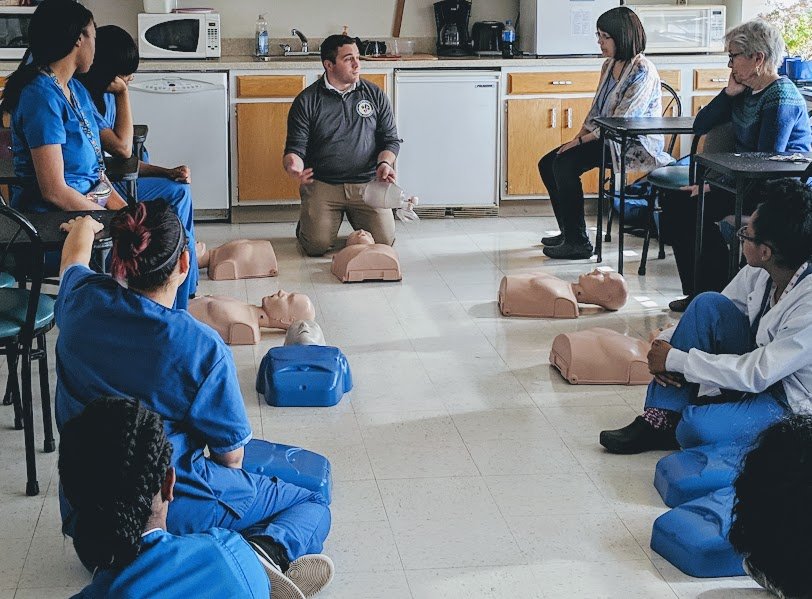
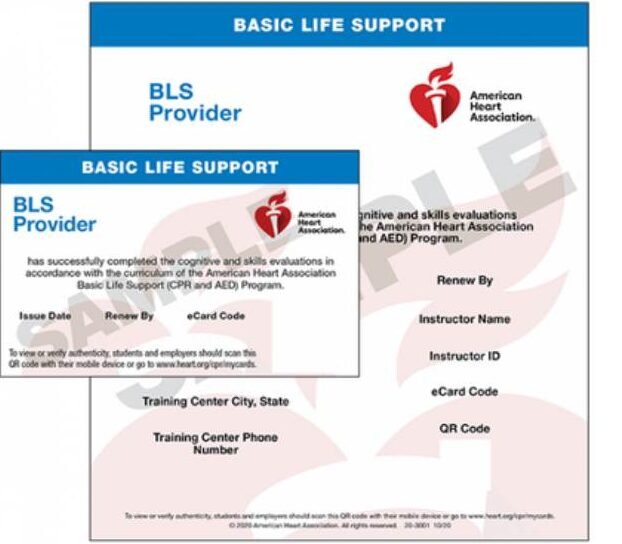
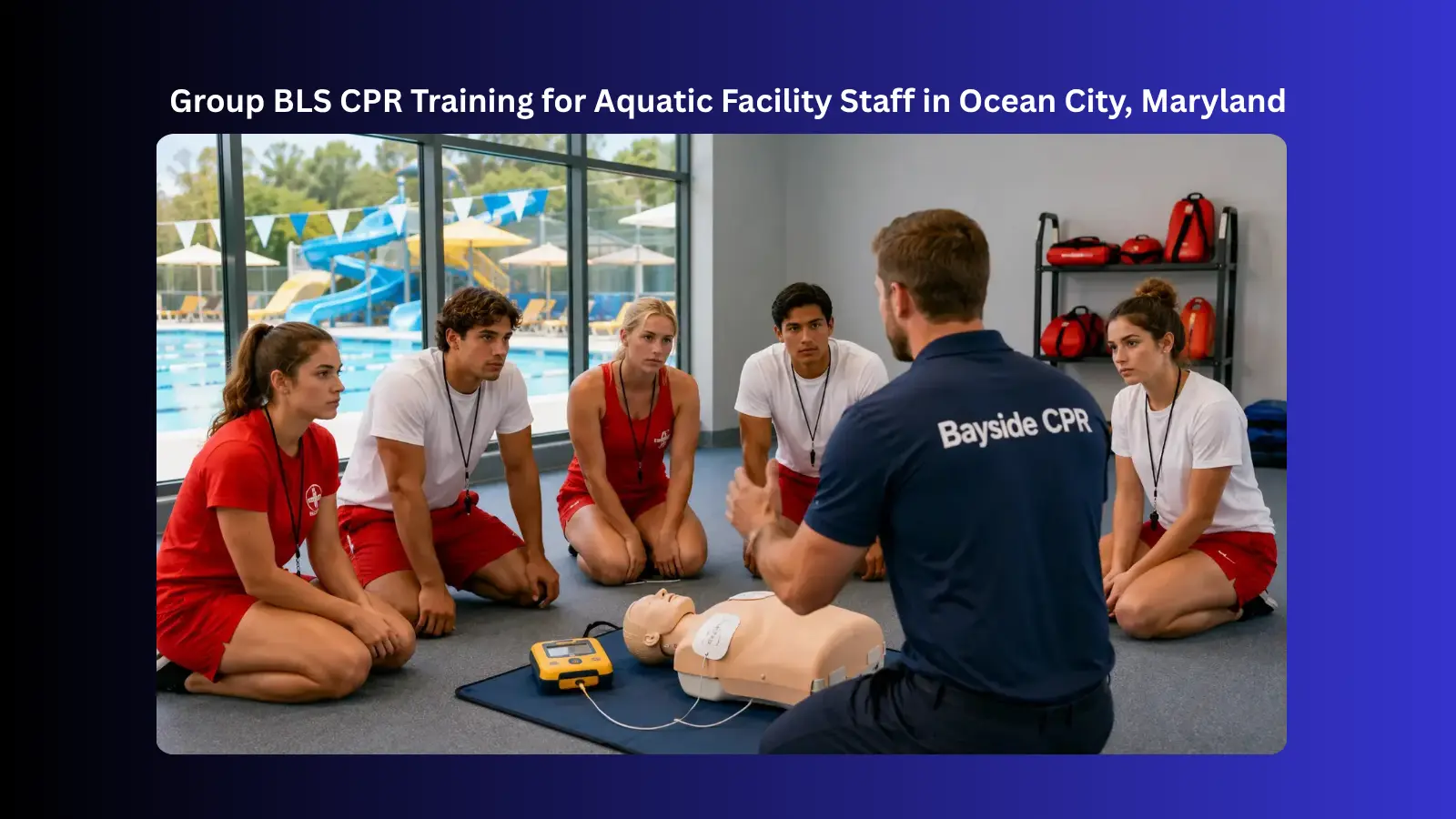
Comprehensive American Heart Association(AHA) BLS CPR courses focus on practical skills that aquatic facility staff need in real emergencies. Training includes self-paced online coursework followed by an in-person session at a verification station for skills assessment, helping participants understand both the theory and practical application of life-saving techniques.
Cardiac Arrest Recognition
Participants learn to identify early signs of cardiac arrest and respiratory distress. This includes checking breathing patterns, level of responsiveness, and signs of circulation such as pulse and skin condition. Early recognition supports a faster and more effective emergency response.
High Quality CPR
Training covers chest compressions and rescue breathing for adults, children, and infants. Participants practice maintaining correct depth, rate, and rhythm to ensure effective blood circulation. Proper technique significantly improves survival outcomes during cardiac emergencies.
AED Use
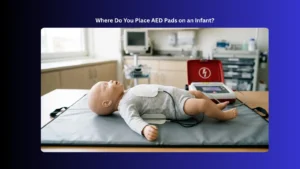
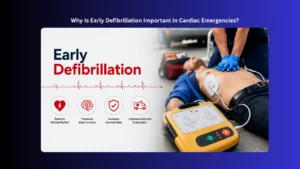
Learners are trained to use an AED during emergencies by following step-by-step instructions provided through voice and visual cues. Pads are placed on a manikin in the correct positions, and the device analyzes the heart rhythm. A shock is delivered only when instructed, simulating a real emergency response.
Rescue Breathing and Airway Care
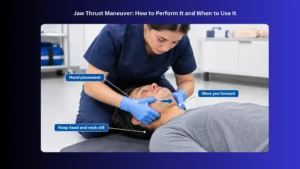
Instruction focuses on delivering effective rescue breaths when breathing is inadequate or absent. Participants also learn airway positioning techniques to keep the airway open and clear. These skills help maintain oxygen supply until advanced medical care is available.
Drowning Response
Training prepares participants to respond safely to water-related emergencies and drowning incidents. Emphasis is placed on safe rescue approaches, quick removal from the water, and immediate care afterward. Rapid response helps reduce complications caused by oxygen deprivation.
Team Response
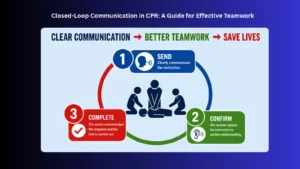
Participants learn clear communication and coordination during emergencies. Roles and responsibilities are assigned to improve efficiency and reduce delays in care. Effective teamwork ensures a faster and more organized response.
BLS Guidelines
Training includes current basic life support standards and updated emergency response procedures. Participants review evidence-based practices that guide CPR, AED use, and patient care. Staying current with guidelines supports safe and consistent performance.
Streamlined Certification with Flexible Training Options for Aquatic Facility Staff
At Bayside CPR, certification includes flexible pathways that allow aquatic facility staff to complete AHA BLS certification at their own pace. Our training format ensures that participants receive the same level of evaluation and skill validation before certification is issued.
The group training is delivered through two different options:
Instructor Visit to Workplace
An instructor visits your workplace to conduct group training and an in-person skills assessment for aquatic facility staff. Participants complete hands-on practice sessions in a familiar environment while receiving direct guidance and evaluation from a certified instructor. This option works well for teams that prefer coordinated training at their own facility and allows multiple participants to complete certification requirements together in one organized session.
Booking Verification Station
Groups can schedule a session at our Ocean City verification station to complete the in-person skills assessment after finishing online coursework. During this session, each group member demonstrates required CPR and emergency response skills using a voice-assisted manikin that provides real-time feedback. This option offers flexibility for individuals or smaller groups who prefer to complete their skills check in a dedicated training environment.
How Often Should Aquatic Facility Staff Renew BLS CPR Certification?
Aquatic facility staff should renew AHA BLS CPR certification every two years to maintain up-to-date emergency response skills and meet current training standards. Regular renewal helps reinforce CPR techniques, AED use, and rescue procedures so staff remain prepared for emergencies at pools and aquatic facilities. Staying current with certification supports consistent performance and ensures readiness during emergencies.
Schedule Group BLS CPR Training for Your Aquatic Facility Staff in Ocean City, Maryland
Aquatic facility staff are often among the first to respond when emergencies occur at pools, recreation centers, hotels, and other aquatic facilities. Maintaining current AHA BLS CPR certification helps ensure team members are prepared to recognize emergencies, provide immediate care, and support positive outcomes until advanced medical personnel arrive.
Bayside CPR offers flexible group training options for aquatic facility staff throughout Ocean City, Maryland. Organizations can arrange on-site training at their facility or schedule a session at our verification station after completing online coursework. These options make it easier for teams to complete certification requirements while minimizing disruptions to staffing schedules and daily operations.