
CPR certification is widely required across healthcare, education, fitness, childcare, and other safety-related roles. Employers often consider this credential a basic requirement when evaluating candidates for positions that require emergency response skills.
However, completing the training alone is not always sufficient in today’s hiring process. Many employers also confirm whether the certification is authentic and issued by a recognized provider before moving forward with a candidate. This step ensures the certification meets required standards and remains valid.
For job seekers, understanding the verification process helps prevent hiring delays and ensures CPR credentials are accepted without complications in real-world workplace settings. In this guide, we will explain why employers check CPR certification, how employers verify your credentials, and tips for choosing an authentic provider.
Why Employers Verify CPR Certification
Employers verify CPR certification primarily for safety and compliance. In emergencies, they need assurance that employees can respond correctly and confidently. This is especially important in hospitals, schools, gyms, nursing homes, and any environment where people need immediate assistance or medical help.
Furthermore, verification also helps employers ensure that the training follows recognized standards. Without checking authenticity, there is no guarantee that the course met proper guidelines or included the required practical skills. Moreover, CPR certification is treated as a safety requirement rather than a simple document.
Are Digital CPR Cards More Accepted Than Physical Cards?
Digital CPR cards and physical CPR cards are both widely used, though acceptance often depends on how easily they can be verified. However, employers often prefer digital eCards, as they allow a quick confirmation process. This helps reduce delays during hiring and onboarding, especially in time-sensitive roles.
Physical CPR cards are still accepted in many workplaces, though they often require more time for verification compared to digital formats. In some cases, additional checks may be needed if details are not immediately clear or accessible.
What Employers Check on the CPR Card
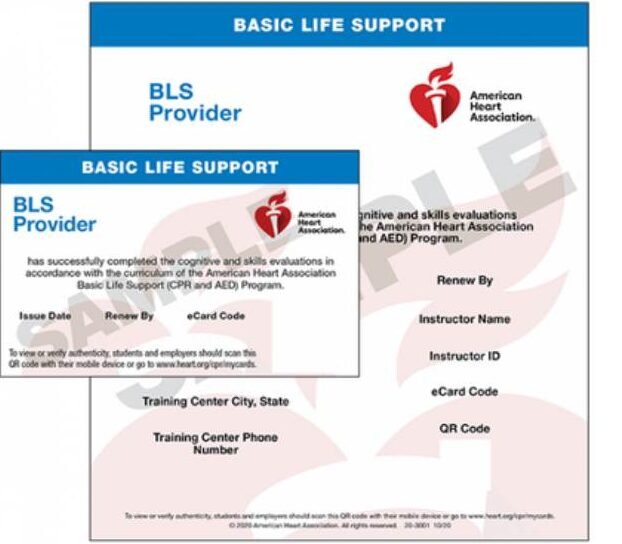
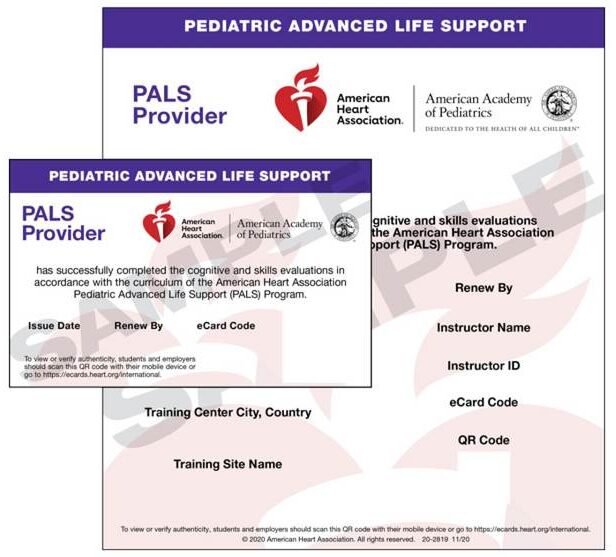
Before going into online systems, employers often review the CPR card itself. They check whether the document includes complete and consistent information. A valid CPR card generally includes the certified individual’s full name, certification level (CPR, BLS, First Aid, etc.), issue and expiration dates, provider’s name or logo, and certification number.
Digital eCards are especially useful as they enable instant verification through QR codes or direct links. If any details appear incomplete, inconsistent, or unclear, employers may question the certification’s authenticity.
How Online CPR Verification Works
Most employers verify CPR certification through official online systems maintained by training organizations. When a course is completed, the certification details are stored in a secure database and linked to a unique ID or eCard. Employers can enter this information into the system to confirm candidate certification details.
Credentials issued by recognized organizations such as the American Heart Association are easy to verify, as their databases are widely used and frequently updated. If no record appears in the verification system, employers may request additional proof or reject the certification.
Common Reasons CPR Cards Get Rejected
CPR cards are often rejected when they fail to meet the required standards set by employers. Most organizations follow strict validation steps to ensure the certification is current, legitimate, and issued by a recognized provider. Understanding the common reasons for rejection helps avoid issues during hiring or onboarding.
Expired certification
CPR certifications are only valid for two years. Once the expiration date passes, the card is no longer considered valid for most job requirements. Employers reject lapsed cards to ensure individuals are trained with the most current CPR guidelines and techniques.
Unrecognized training provider
Some CPR cards are issued by providers that are not widely accepted or accredited. Employers may not have a reliable method to verify the quality or standards of training offered by unfamiliar organizations. In such cases, your certification may be rejected or require additional verification.
Missing or incomplete details
A valid CPR card must clearly display all essential certification details required for verification. If any required information is missing or unclear, employers may question your card’s authenticity. Incomplete documentation often leads to delays or immediate rejection during verification.
Illegible uploads
Blurry photos, unclear scans, or unreadable PDF files submitted on credentialing platforms can prevent proper review. Employers may not be able to confirm the required details when documents are not clearly visible. In such cases, the certification may be flagged or denied during verification.
Missing in-person training
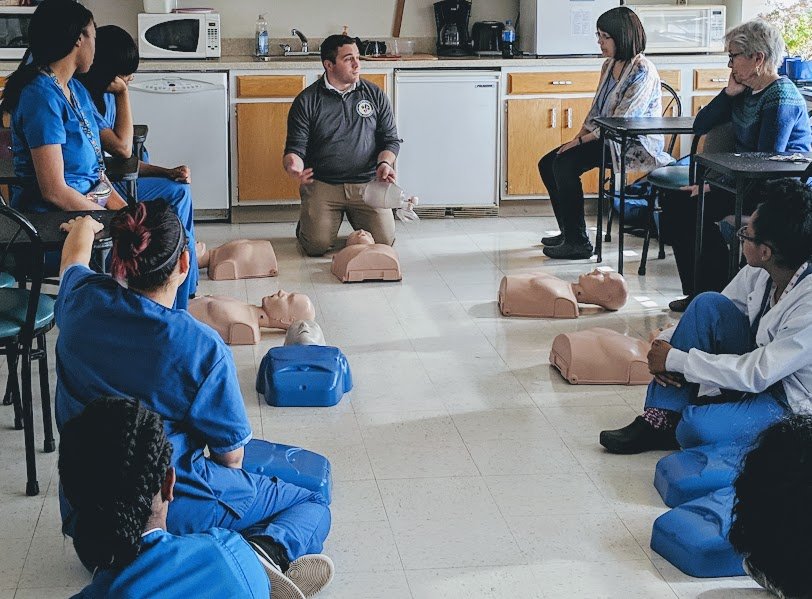
Many employers do not accept CPR certifications completed entirely online without a hands-on skills assessment. A practical training component is often required to ensure the individual can perform CPR correctly in real situations. Without this in-person evaluation, the certification is considered incomplete or invalid.
Unable to verify online records
Many employers rely on online systems to confirm certification details. If a card cannot be matched with an official record, concerns about validity may arise. Lack of verification access often leads to the certification being rejected or requires additional proof to confirm its legitimacy.
Altered or unclear documentation
CPR cards must remain in their original, unedited condition to be considered valid. Any signs of damage, modification, or unclear printing can create doubts about authenticity. Employers may reject such cards to avoid accepting potentially invalid or tampered certifications.
What Happens If You Use a Fraudulent CPR Card?
Using an invalid CPR certification can have serious professional consequences. Many employers, especially in healthcare, childcare, education, and fitness industries, routinely verify life-saving qualifications. If your credentials are found to be fraudulent or unverified, it can lead to disciplinary action, loss of employment, and damage to your professional reputation. For individuals whose jobs require CPR training, presenting inaccurate documentation may also affect professional licenses and future career opportunities.
Beyond employment concerns, unverified training records create significant safety risks. Someone who has not completed a proper hands-on skills session may be unprepared to respond effectively during a cardiac emergency, potentially delaying critical care when immediate action is crucial. In some situations, the use of fake documentation may also expose individuals or organizations to legal liability if an emergency response falls below expected standards.
How to Choose a CPR Certification Provider
Choosing the right CPR certification provider helps ensure your training is accepted without issues during verification. A reliable provider such as Bayside CPR follows recognized standards and issues certifications that are easily validated. Careful selection also reduces the chances of delays or rejection later in the process.
Identify Your Training Level
Determine whether you need CPR, BLS, First Aid, or ACLS certification based on your job role. Different careers require different levels of training, so choosing the correct one is important. Selecting the right level ensures your certification matches employer expectations.
Check Provider Accreditation
Check whether your training provider holds accreditation from a reputable organization. Recognized providers follow standardized CPR guidelines that employers commonly accept. Choosing a recognized source makes your certification more trustworthy during verification.
Confirm Verification System
Ensure the provider offers a clear verification method, such as online records or digital certification access. Employers rely on these systems to verify your credentials quickly during hiring. Lack of proper verification support can lead to delays or rejection.
Check Training Format Requirements
Review whether the course includes both theoretical learning and hands-on skill assessment. Many employers prefer certifications that include practical evaluation instead of theory-only training. Blended or in-person formats are generally more widely accepted.
Get a CPR Card That Meets Employer Requirements
A CPR certification is only valuable if employers can trust and verify it. Choosing a training provider that follows recognized standards helps ensure your certification is accepted by healthcare facilities, employers, schools, and other organizations that require CPR credentials. A valid and verifiable certification can also simplify the hiring process and provide confidence that your training meets current industry guidelines.
At Bayside CPR, we offer AHA-approved BLS, ACLS, and PALS courses that employers and healthcare organizations across the United States recognize and accept. With our flexible blended learning format, you can complete the online coursework at your own pace and then attend a brief hands-on skills session. This allows you to earn your certification without disrupting your schedule while receiving an official digital eCard that employers can easily verify.