
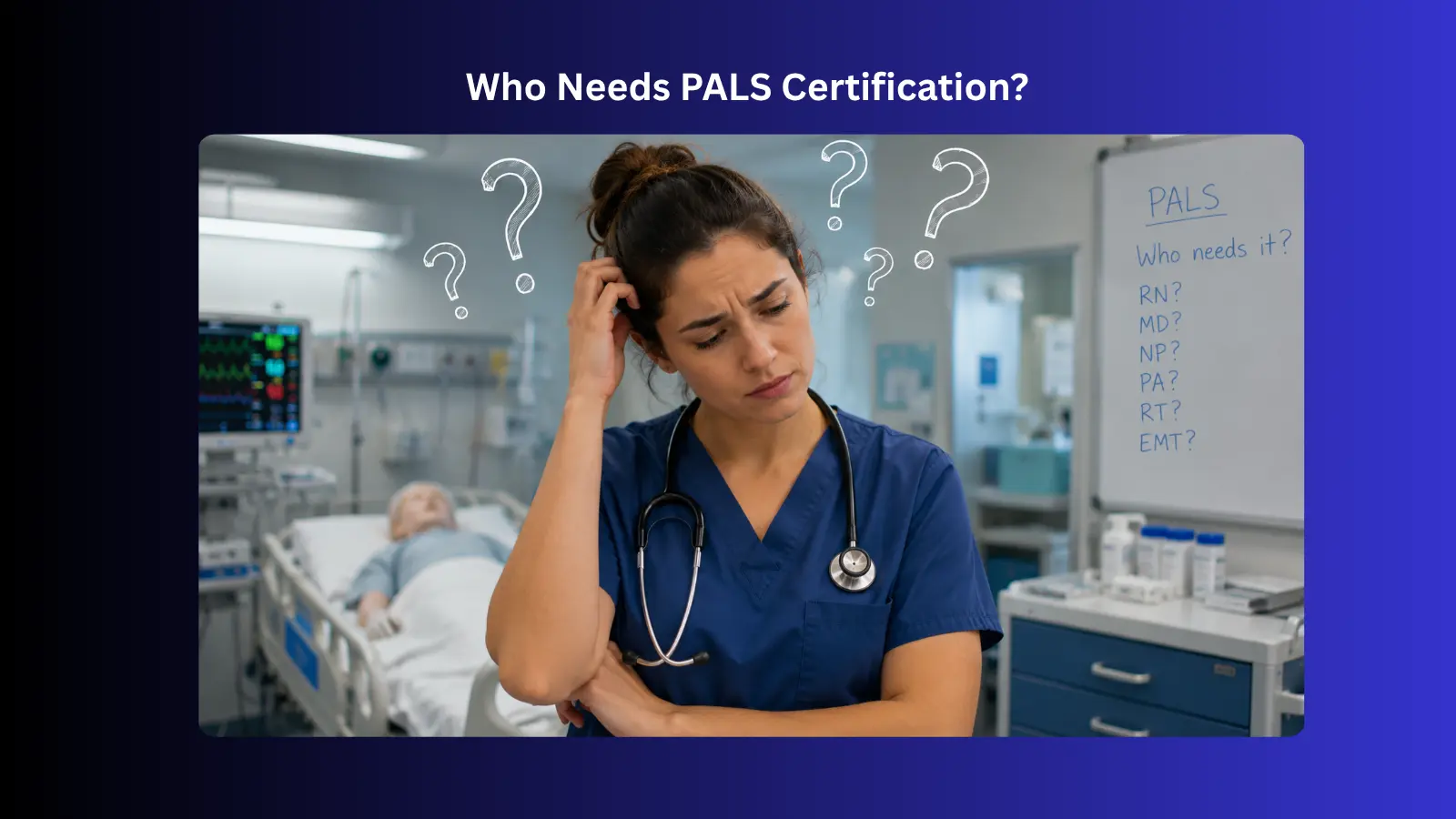
Pediatric emergencies require specialized knowledge, as children can present different challenges during illness, injury, and critical conditions compared with adults. Pediatric Advanced Life Support, commonly known as PALS, equips healthcare professionals with the skills to assess patient conditions, provide appropriate interventions, and manage serious situations involving young patients.
While PALS credentials are not required for every healthcare role, many employers and healthcare organizations recommend or require it for positions involving pediatric care. This guide explains the importance of PALS certification, the healthcare roles that need this credential, the skills covered during training, and the different ways professionals can complete the course.
Why PALS Certification Is Important
Healthcare professionals who work with pediatric patients need confidence in applying emergency care techniques during high-pressure situations. PALS certification helps them build the ability to assess pediatric patients, recognize critical conditions, and provide appropriate interventions when immediate care is required.
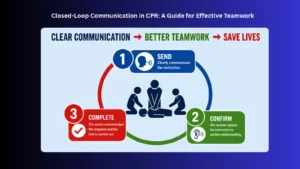
The course also focuses on effective communication, teamwork, and structured emergency response. These skills help providers deliver coordinated care in hospitals, emergency departments, and other healthcare settings where pediatric patients may require immediate attention.
Healthcare Careers That Require PALS
PALS is commonly required for healthcare roles that involve caring for infants, children, and adolescent patients. These professionals are responsible for assessing young patients, responding to emergencies, and providing timely care in situations that require advanced pediatric skills. Requirements can vary based on the employer, department, and specific job responsibilities.
Common careers that may require PALS include:
Physicians and Advanced Practice Providers
Physicians and advanced practice providers often make critical decisions during the evaluation and treatment of patients experiencing complex medical conditions. Those working in emergency medicine, pediatrics, critical care, anesthesia, and surgical settings use PALS skills to support rapid assessment, treatment planning, and emergency interventions.
Common roles include:
- Pediatricians
- Emergency medicine physicians
- Neonatologists
- Pediatric intensivists
- Anesthesiologists
- Pediatric surgeons
- Nurse practitioners
- Physician assistants
- Certified registered nurse anesthetists
Nursing Professionals
Nurses are often among the first healthcare team members to identify changes in a patient’s condition and begin emergency response measures. PALS training supports nurses in recognizing warning signs, assisting with resuscitation efforts, and communicating effectively with other members of the care team during urgent situations.
Common roles include:
- Pediatric nurses
- Pediatric intensive care unit nurses
- Neonatal intensive care unit nurses
- Emergency department nurses
- Perianesthesia nurses
- Transport nurses
- School nurses
Emergency Medical Services and Pre-Hospital Providers
EMS professionals frequently provide initial assessment and stabilization before a patient reaches a hospital. PALS knowledge helps these providers apply appropriate emergency care techniques, manage complex situations during transport, and coordinate care with receiving medical teams.
Common roles include:
- Paramedics
- Advanced EMTs
- Critical care transport teams
- Flight paramedics
- Flight nurses
Allied Health Professionals
Allied health professionals contribute specialized skills that support diagnosis, treatment, and emergency management. Those working closely with critical care teams may use PALS knowledge to assist with airway management, respiratory support, medication preparation, and other emergency care responsibilities.
Common roles include:
- Respiratory therapists
- Clinical pharmacists
- Pediatric imaging specialists
- Critical care specialists
Dental and Sedation Providers
Dental and sedation providers who perform procedures requiring anesthesia or deep sedation must be prepared to manage potential complications. PALS training helps these professionals recognize emergencies, respond appropriately, and maintain patient safety throughout procedures.
Common roles include:
- Pediatric dentists
- Oral and maxillofacial surgeons
- Dental sedation providers
Clinical Educators and Healthcare Faculty
Healthcare educators play an important role in maintaining emergency response skills across clinical teams. Professionals involved in training and competency assessments use PALS knowledge to teach evidence-based practices and support consistent emergency preparedness.
Common roles include:
- PALS instructors
- Clinical nurse educators
- Healthcare simulation specialists
Skills Covered in PALS Training
PALS training focuses on the skills healthcare professionals need to recognize, assess, and manage serious medical conditions in infants and children. The course emphasizes structured assessment, effective interventions, and coordinated emergency response.
Key skills covered include:
- Pediatric assessment: Learning how to evaluate a child’s condition, identify warning signs, and determine appropriate interventions.
- Basic life support review: Reinforcing high-quality CPR skills and foundational resuscitation techniques used during emergencies.
- Resuscitation Triangle: Understanding how clinical knowledge, technical skills, and effective teamwork work together to improve emergency response and patient care.
- Airway and respiratory management: Developing skills to identify breathing problems, support oxygenation, and manage airway concerns.
- Cardiac emergency response: Understanding how to respond to cardiac arrest and other critical cardiovascular conditions.
- Shock recognition and treatment: Understanding the different types of shock, treatment priorities, and appropriate stabilization strategies.
- ECG rhythm recognition: Learning to identify abnormal heart rhythms and understand appropriate treatment approaches.
- Medication and treatment principles: Understanding medication use, treatment decisions, and weight-based considerations during emergency care.
- Post-resuscitation care: Learning how to manage patients after ROSC through ongoing monitoring and stabilization.
How to Get a PALS Certification
Medical professionals can obtain PALS certification through different course formats that fit their schedules, learning preferences, and training needs. Both traditional in-person training and blended learning result in the same credential once participants complete all required course components.
Traditional In-Person PALS Course
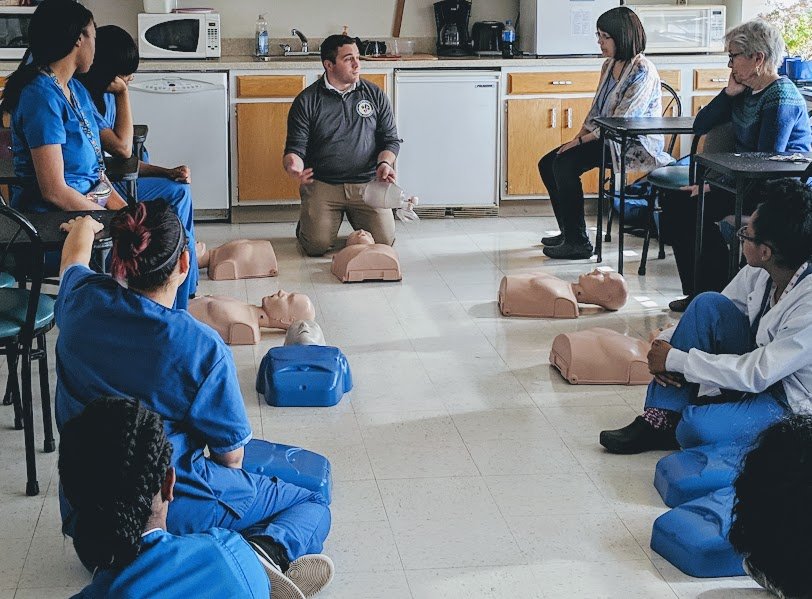
The traditional format requires participants to attend a scheduled class with an instructor. The course includes classroom instruction, hands-on skills practice, and an evaluation to confirm the participant’s ability to apply pediatric emergency care techniques.
Blended Learning PALS Course
The blended learning format combines online coursework with a hands-on skills session. Participants complete the online portion at their own pace before attending the in-person session for skill demonstration and evaluation. This training option allows participants to complete the course requirements without disrupting their professional responsibilities.
How Long Does PALS Certification Last?
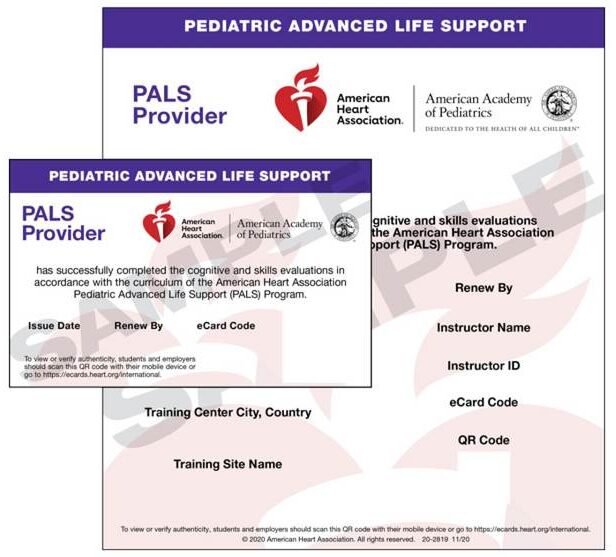
PALS certification issued through the American Heart Association (AHA) or American Red Cross (ARC) is generally valid for two years from the date of completion. Healthcare organizations, employers, and licensing bodies may have their own requirements for maintaining current certification, so professionals should confirm renewal expectations for their specific role.
Renewing PALS credentials before expiration helps healthcare providers maintain their emergency response skills and stay prepared to manage critical situations involving pediatric patients. Regular renewal also provides an opportunity to review current resuscitation practices and reinforce essential clinical skills.
How to Choose a Training Provider
Choosing the right PALS course helps healthcare professionals complete training that meets their career needs and workplace expectations. Before enrolling, consider the course format, training provider, and requirements set by your employer or healthcare organization.
When selecting a PALS course, consider:
- Training from a nationally recognized organization
- Course content that covers current pediatric emergency care practices
- Flexible learning options that fit your schedule
- A skills session to practice and demonstrate required techniques
- A credential accepted by your employer or healthcare facility
- Clear course requirements and completion process
- Transparent pricing with clear course fees and no unexpected charges
Advance Your Pediatric Emergency Response Skills with PALS Certification
Healthcare professionals who care for young patients need specialized knowledge to recognize changes in condition and respond effectively during critical situations. PALS certification helps providers strengthen their ability to assess patients, support emergency interventions, and work with healthcare teams during complex pediatric cases.
At Bayside CPR, healthcare professionals can complete AHA PALS certification through flexible course options with clear pricing and no hidden fees. Participants can review course details, choose a format that fits their schedule, and complete the required skills evaluation to earn their credential. Convenient training locations and straightforward enrollment help healthcare providers complete certification while managing their professional commitments.