
Knowing how to quickly locate an Automated External Defibrillator (AED) can be critical in a cardiac emergency. AEDs are portable devices that check heart rhythms and deliver an electric shock if needed to restore normal heartbeat. While they are increasingly available in public and private spaces, finding one under stress can be challenging. Here’s a detailed guide to help you identify AED locations effectively.
Public Areas
AEDs are often placed in areas with frequent foot traffic to maximize accessibility. Look for them in:
- Airports: Near boarding gates, lounges, and security checkpoints. Some AEDs are placed along corridors that connect major terminals.
- Shopping centers: Near main entrances, food courts, and central walkways. Check near elevators or escalators as well.
- Fitness centers and gyms: In lobbies, near swimming pools, and next to workout areas. Often located close to first-aid rooms.
- Educational institutions: Hallways, auditoriums, gymnasiums, and student service centers.
- Government buildings: Lobbies, offices with public access, and conference rooms.
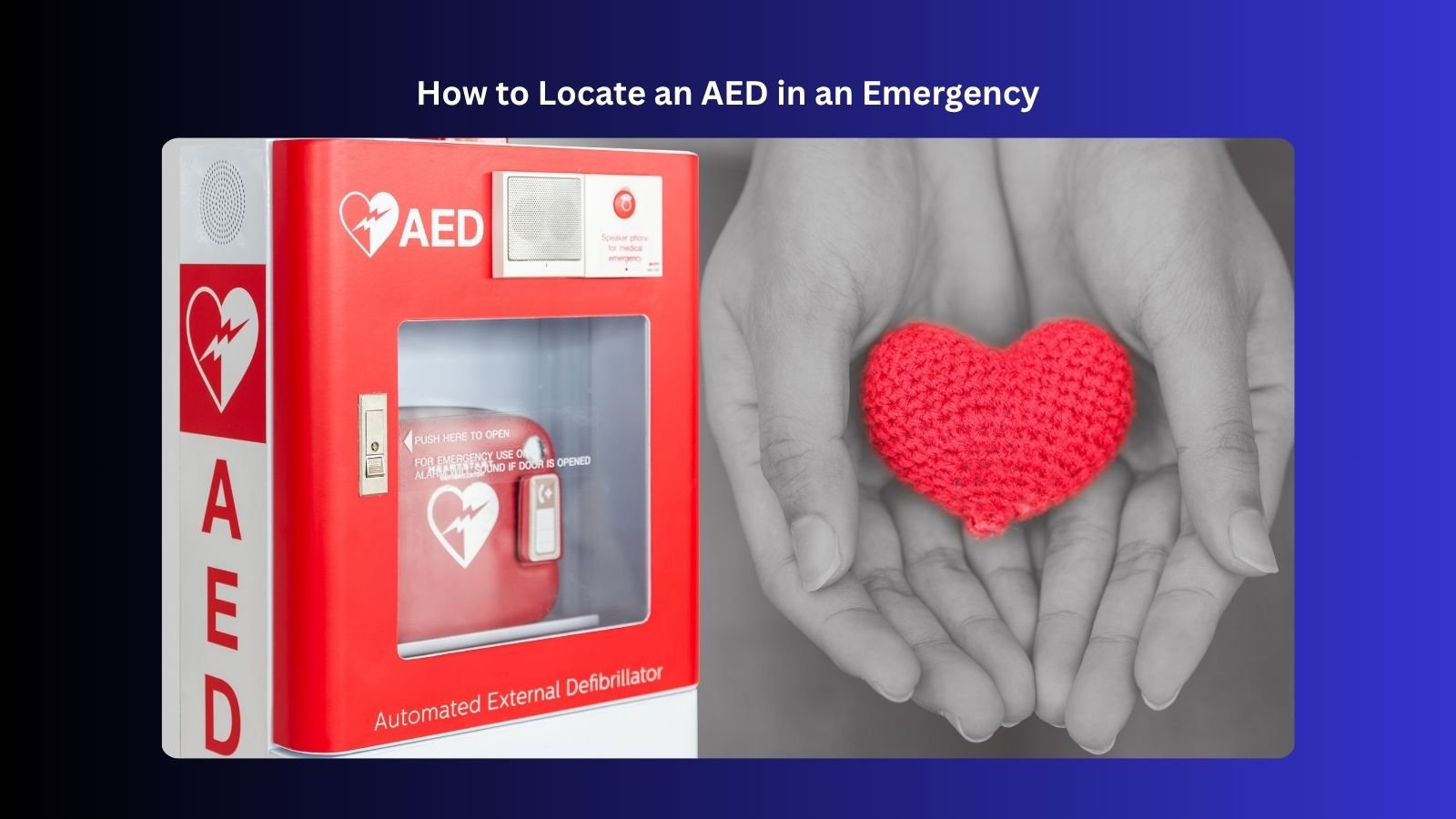
AEDs are usually in wall-mounted cases marked with a clear “AED” sign, sometimes accompanied by a heart with a lightning bolt symbol. In some places, they may be in enclosed boxes that are unlocked or accessible with a simple push.
Emergency Services
Emergency service facilities often carry AEDs. While primarily for trained professionals, knowing their location can help in urgent situations. Check:
- Fire stations
- Police departments
- Ambulances
Familiarity with the nearest station can be useful if you need to direct emergency personnel or retrieve an AED quickly.
Mobile Apps and Online Resources
Several applications and websites provide real-time information about nearby AEDs. These tools collect location data from users and organizations, helping you locate a device faster. Popular options include:
PulsePoint: Offers an AED map and alerts for nearby emergencies.
StayingAlive: Provides AED locations and directions.
Having one of these apps installed allows you to find devices without relying solely on memory or signs.
Workplaces and Commercial Buildings
Many businesses maintain AEDs for employee and visitor safety. If your office or business has one:
- Know the exact location of the AED in your building.
- Check accessibility- some devices may be inside locked areas.
- Ask for the standard procedure for emergencies.
Places that often have AEDs include health studios, dental offices, outpatient care centers, and newer or renovated buildings.
Transportation
AEDs are becoming common in public transportation hubs and vehicles. Look for them in:
- Train and bus stations
- Subway or commuter rail stations
- Airplanes and public buses (where available)
Familiarize yourself with the locations if you travel frequently, as devices may be positioned in waiting areas or onboard.
Importance of AED Awareness
Being familiar with AED locations increases the chance of responding effectively to cardiac emergencies. Understanding where devices are installed and how to access them ensures faster response times and better outcomes.