
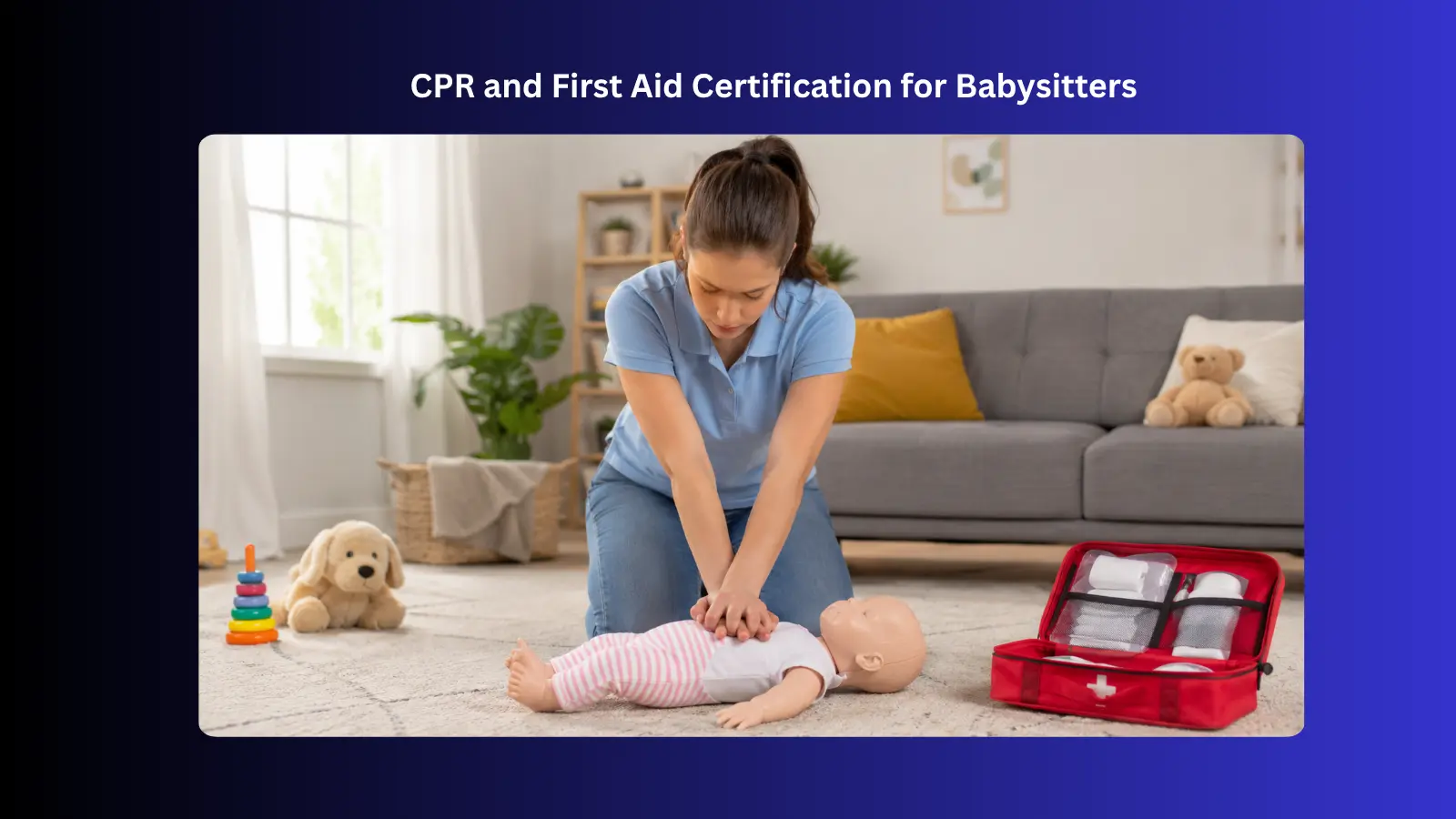
CPR and First Aid certification has become an increasingly valuable qualification for babysitters. Families want caregivers who understand how to respond to common childhood emergencies and have the skills to recognise warning signs and take appropriate action.
These life-saving skills are valuable for anyone who provides childcare, regardless of their level of experience. Whether you are a teenager looking for your first caregiving role, a college student earning extra income, or an experienced childcare provider, CPR and First Aid certification can strengthen your qualifications and demonstrate your commitment to providing responsible care.
This guide covers everything babysitters need to know about CPR and First Aid certification, including why it matters, what skills you will learn, how to get certified, and which childcare roles can benefit from this training.
Do Caregivers Need CPR and First Aid Certification?
Childcare providers are not legally required to hold CPR and First Aid certification in every situation across the United States. However, many families, childcare agencies, and nanny services still prefer or require caregivers who have completed recognised emergency response training, especially when caring for infants and young children. Additionally, these life-saving skills can strengthen your qualifications and increase parents’ confidence in your ability to handle unexpected situations.
Why CPR and First Aid Training Is Important for Babysitters
Caregivers are responsible for a child’s well-being whenever parents or guardians are away. Children can experience choking, falls, burns, allergic reactions, and sudden breathing problems without warning. CPR and First Aid training is crucial as it equips individuals with the knowledge and practical skills needed to recognise these critical situations, assess the child’s condition, and deliver appropriate care until additional medical help is available.
Emergency response training also helps you remain calm and make informed decisions during unexpected situations. Regular CPR and First Aid training builds confidence and improves your ability to respond effectively when a child is injured or becomes suddenly ill.
Common Emergencies Caregivers May Face
Babysitters care for children in homes, parks, playgrounds, and community settings where accidents can happen unexpectedly. Understanding the most common situations helps you respond quickly and make informed decisions.
Common situations include:
- Choking involving infants or children
- Cardiac arrest requiring CPR
- Breathing difficulties
- Falls and head injuries
- Cuts, scrapes, and bleeding
- Burns from hot food, drinks, or household appliances
- Allergic reactions
- Seizures
- Poisoning or accidental ingestion
- Heat-related illnesses
- Drowning or water-related incidents
- Nosebleeds and minor injuries
What Babysitters Learn During CPR and First Aid Training
CPR and First Aid training prepares you to respond confidently to critical situations involving infants and children. Training equips individuals with the knowledge and hands-on competency needed to recognise medical conditions, make informed decisions, and provide appropriate care during childhood incidents.
Although course content varies by training provider, most programmes cover the following essential topics.
Infant and Child CPR
Childcare providers learn age-appropriate CPR techniques for infants and children, including how to recognise cardiac arrest, perform chest compressions, provide rescue breaths, and continue CPR until the situation is properly managed.
Choking Relief Techniques
Children, particularly infants and toddlers, are at a higher risk of choking. Training teaches caregivers how to recognise a blocked airway and perform age-appropriate choking relief techniques for both responsive and unresponsive infants and children.
AED Awareness and Use
Participants learn when an Automated External Defibrillator (AED) is needed during a cardiac emergency, including situations where a child is unresponsive and not breathing normally. Training also explains how to use an AED safely and combine it with CPR to provide effective cardiac care.
Recognising Medical Conditions
Individuals learn how to identify common medical conditions that require prompt attention. Topics typically include breathing problems, allergic reactions, seizures, asthma attacks, diabetic concerns, and recognising the signs of shock.
First Aid for Common Childhood Injuries
This section focuses on injuries that frequently occur during everyday childcare. Training covers First Aid techniques for common childhood injuries, including wound care, bleeding control, burns, scalds, nosebleeds, fractures, sprains, head injuries, and dental injuries.
Poisoning and Environmental Hazards
Caregivers learn how to respond to accidental poisoning, insect bites and stings, heat-related illnesses, cold-related conditions, and other environmental hazards that may affect children indoors or outdoors.
Initial Response Actions
Training teaches the Three C’s of Emergency Response: Check, Call, and Care. Babysitters learn how to check the scene for safety, assess the child’s condition, call medical assistance teams when needed, and provide appropriate care until help arrives. They also learn how to communicate important details to responders and notify parents or guardians after a critical incident.
Injury Prevention and Infant Safety
Many courses also include guidance on reducing common household hazards, supervising children safely, and recognising situations that could lead to injuries. These preventive practices help childcare providers create a safer environment while reducing the likelihood of unexpected incidents.
Childcare Roles That Benefit From CPR and First Aid Certification
Many caregivers supervise children in different environments where injuries or medical incidents can occur. CPR and First Aid certification strengthens their ability to respond quickly while providing reassurance to parents and employers.
Home-Based Childcare
Professionals providing care in homes often work independently and may be the only adult responsible for a child during the day.
Roles include:
- Babysitters
- Nannies
- Mother’s helpers
- Au pairs
- Temporary childcare providers
Educational and Early Learning Settings
Staff working with young children help create safe learning environments while remaining prepared for life-threatening situations that may occur during daily activities.
Roles include:
- Preschool teachers
- Daycare workers
- Childcare assistants
- Nursery staff
- Early childhood educators
- Before and after school programme staff
Recreation and Youth Programmes
Children participating in recreational activities face risks ranging from minor injuries to medical incidents. Staff supervising these programmes benefit from first response training.
Roles include:
- Summer camp counsellors
- Youth programme leaders
- Children’s activity instructors
- Community centre staff
- After school club supervisors
- Children’s sports coaches
Specialised Child Support Services
Childcare professionals who support children with medical, developmental, or behavioural needs benefit from the knowledge and practical skills needed to recognise and respond to medical emergencies.
Roles include:
- Respite care providers
- Special needs caregivers
- Behavioural support workers
- Personal care assistants for children
- Family support workers
How Often Should Childcare Professionals Renew Their Certification?
CPR and First Aid certification from recognised organisations, including the American Heart Association (AHA) and the American Red Cross (ARC), is generally valid for two years. Completing a recertification course before your credential expires helps reinforce essential skills, maintain competency, and stay current with the latest resuscitation guidelines
You can review the expiration date on your certification card and plan your renewal course. Taking action before your credential expires helps maintain your eligibility for caregiving roles.
How to Earn CPR and First Aid Certification for Babysitters
CPR and First Aid certification can help childcare professionals develop the emergency response skills needed to care for infants and children. Several training options are available, allowing caregivers to choose a course that meets their learning needs and certification goals.
The process generally includes:
- Choose a recognised certification course: Select a CPR and First Aid course from a recognised organisation, such as the American Heart Association (AHA) or the American Red Cross (ARC).
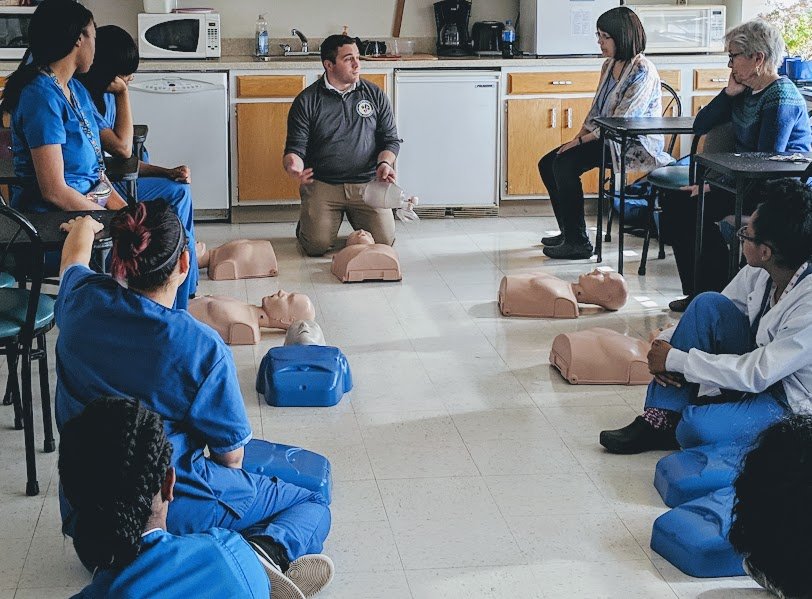
- Select a suitable training format: Choose from available options such as in-person classes or blended learning courses that include online coursework and a hands-on skills session.
- Complete the required coursework: Learn important topics such as infant and child CPR, choking response, AED awareness, and First Aid for common childhood emergencies.
- Demonstrate practical skills: Complete any required skills evaluation to show competency in performing CPR and First Aid techniques.
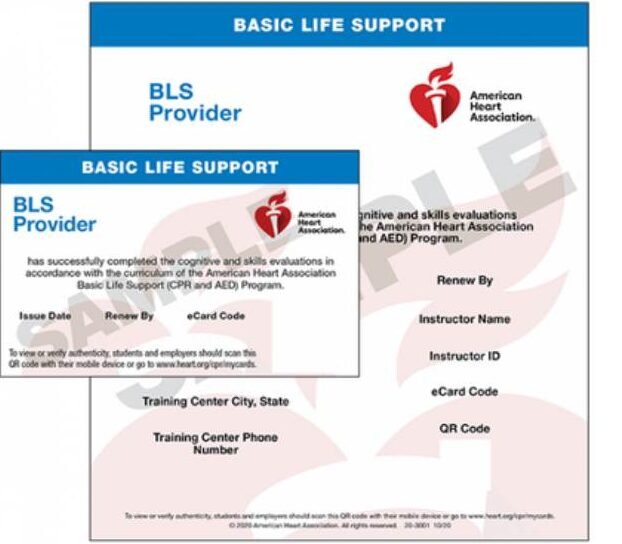
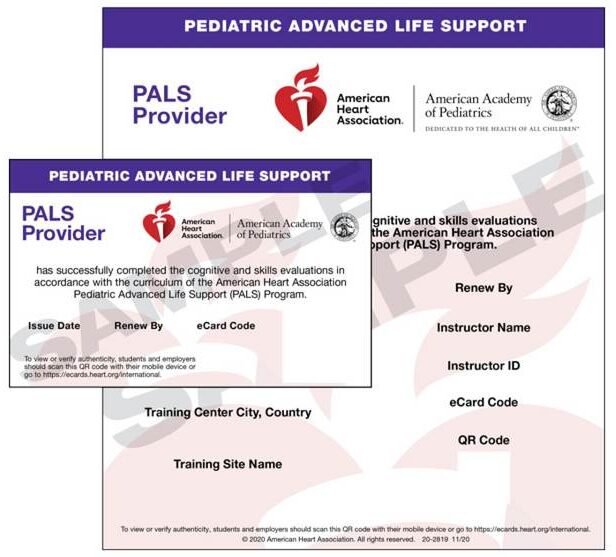
- Receive your certification: After completing the course requirements, you receive your certification card as proof of completion.
Get CPR and First Aid Certified with Bayside CPR
CPR and First Aid certification provides child supervisors with the knowledge and practical skills needed to respond to childhood emergencies with confidence. Whether you are starting a care-providing career or looking to strengthen your childcare qualifications, proper training helps you prepare for situations such as choking, injuries, breathing difficulties, and other unexpected events.
At Bayside CPR, you can complete your AHA CPR and First Aid certification through a flexible blended learning format with online coursework followed by an in-person practical session. Our multiple convenient locations allow you to complete the required hands-on portion at a location that works best for you. After successful completion, you will receive your AHA eCard on the same day, providing immediate proof of your certification.