
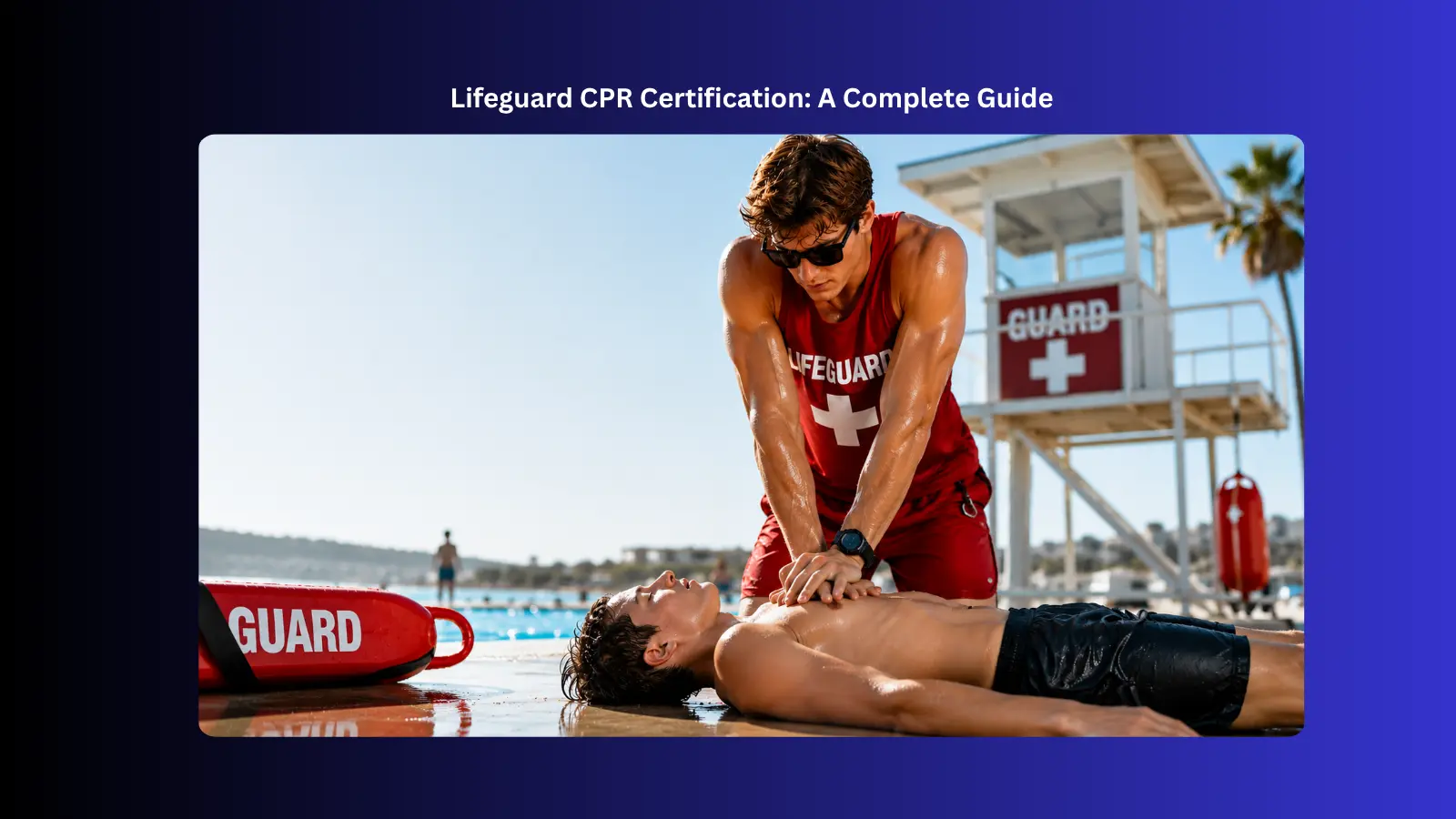
Every lifeguard is responsible for protecting lives in and around the water. Medical emergencies can happen without warning at pools, beaches, lakes, and other aquatic facilities, making a rapid and effective response essential. CPR certification provides the training needed to recognize life-threatening situations, deliver high-quality CPR, and use an AED when appropriate.
This guide explains why CPR qualification is important for lifeguards, which courses may be required, how long the credential remains valid, and the role these life-saving skills play in improving safety around the water.
Why CPR Training Matters for Lifeguards
Lifeguards are often the first people to respond when someone experiences a water-related emergency. A rapid response can improve a person’s chances of survival, especially when breathing has stopped or the heart is no longer pumping effectively.
CPR certification equips lifeguards with the knowledge and practical experience needed to respond during critical situations. Regular training also reinforces proper techniques, builds confidence, and helps pool attendants stay current with the latest resuscitation guidelines.
Do Lifeguards Need CPR Certification?
Credential requirements can vary by state, employer, and the type of aquatic facility. However, most employers require lifeguards to hold valid CPR credentials before they begin working. Public pools, private aquatic facilities, water parks, beaches, schools, fitness centers, and community recreation departments commonly include CPR training as a condition of employment.
In the United States, the responsibilities of a pool attendant extend beyond water rescues. Occupational Safety and Health Administration (OSHA) recognizes lifeguards as emergency responders whose duties may involve exposure to blood or other potentially infectious materials while assisting injured individuals. This recognition reinforces the importance of maintaining current CPR qualification and following appropriate workplace safety practices.
Which CPR Credential Is Best for Lifeguards?
The right CPR course depends on your employer, state requirements, and the type of aquatic facility where you work. Always verify which credential is accepted before enrolling in a course, as requirements can vary between organizations.
Common options include:
Basic Life Support (BLS)
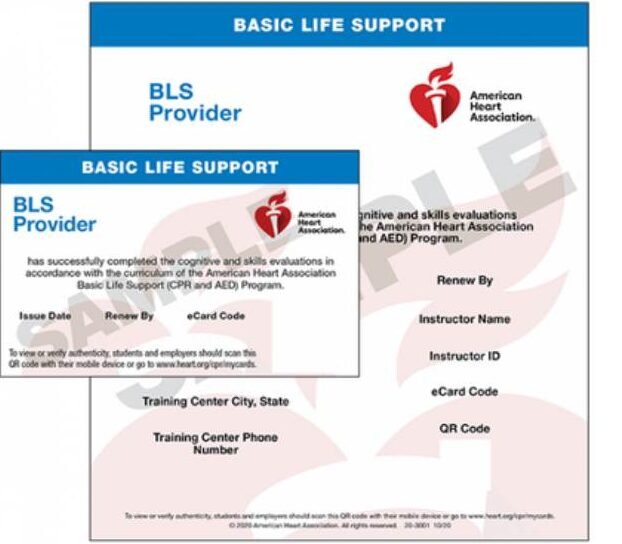
BLS certification is widely recognized for professional rescuers and healthcare personnel. The course covers high-quality CPR, AED use, rescue breathing, and team-based resuscitation for adults, children, and infants. Many employers prefer or require BLS for lifesavers working in professional aquatic environments where coordinated emergency response is part of the job.
Heartsaver First Aid CPR AED
This course combines CPR, AED, and basic first aid training in a single certification. Participants learn how to assess injuries, control bleeding, treat scalds and burns, manage fractures, and handle common health concerns. Employers require rescuers to complete Heartsaver First Aid CPR AED to meet workplace training requirements at pools, beaches, water parks, and other aquatic facilities.
Heartsaver CPR AED
Heartsaver CPR AED is intended for individuals who need CPR and AED training but are not healthcare professionals. The course focuses on recognizing cardiac arrest, performing CPR, using an AED, and responding to choking emergencies. Some employers accept this certification for lifeguard positions in community recreation programs, camps, and smaller aquatic facilities.
These certifications cost between $90 and $135, depending on the selected course and the training provider.
What Do Lifeguards Learn During CPR Training?
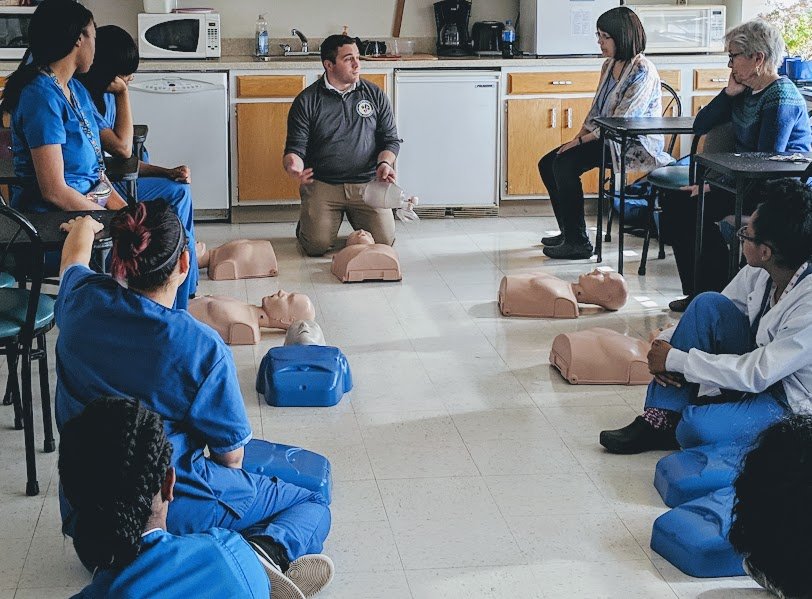
CPR training prepares lifeguards to recognize life-threatening emergencies and respond with the appropriate lifesaving techniques. Participants practice the skills needed to provide effective care during aquatic emergencies.
- Adult, Child, and Infant CPR: Learn how to perform high-quality CPR for adults, children, and infants using age-appropriate techniques, including proper chest compressions and rescue breaths.
- Rescue Breathing: Develop the skills to provide rescue breaths for individuals who are not breathing but still have a pulse.
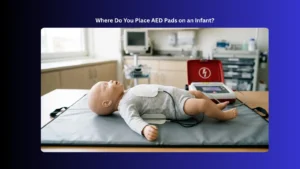
- AED Use: Learn how to safely operate an automated external defibrillator and follow voice prompts during a cardiac emergency.
- Choking Relief: Practice techniques to help adults, children, and infants experiencing a severe airway obstruction.
- Emergency Scene Assessment: Learn how to assess the scene, identify potential hazards, and determine the appropriate course of action before providing care.
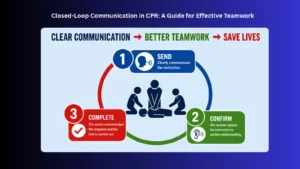
- Team-Based Response: Build communication and coordination skills to work effectively with other rescuers during emergencies.
Common Careers That Require Lifeguard CPR Training
CPR training benefits more than traditional pool lifeguards. Many aquatic professionals are expected to maintain current lifesaving credentials throughout their careers.
Examples include:
- Public pool lifeguards
- Beach lifeguards
- Water park lifeguards
- Swim instructors
- Aquatic supervisors
- Recreation center staff
- Camp waterfront staff
- Resort and hotel pool personnel
How Long Does a CPR Card Last?
Most CPR certifications remain valid for two years, although the exact renewal period depends on the certifying organization and employer requirements. Maintaining an active credential is important for continuing employment and staying current with the latest CPR recommendations.
Renewing credentials also provides an opportunity to refresh practical skills, practice emergency scenarios, and learn about any updates to CPR guidelines introduced since the previous course.
Tips for Maintaining CPR Skills
Learning CPR once is only the beginning. Regular CPR training helps lifeguards stay confident and prepared for emergencies that require immediate action.
Good habits include:
- Renew your certification before it expires
- Practice CPR skills regularly
- Stay informed about updated CPR guidelines
- Participate in workplace emergency drills
- Review AED procedures periodically
- Work with team members during practice scenarios
Consistent practice helps build confidence and improve emergency response performance.
How to Choose a CPR Course for Lifeguards
Selecting the right CPR course is important for ensuring the qualification matches your employer’s requirements and the responsibilities of your lifeguard position. Before enrolling, review the course content, skills assessment process, and credential details to choose a program that fits your workplace needs.
When comparing CPR courses, look for:
- Nationally recognized: Select a course that provides a credential recognized by employers and meets common workplace requirements throughout the United States.
- Flexible training options: Look for programs that offer convenient learning formats, such as blended learning or self-paced options, to fit your schedule.
- Skills evaluation or assessment: A course with a skills check allows you to demonstrate your ability to perform required techniques.
- Convenient training locations: Choose a provider with accessible locations that make completing the required skills session easier.
- Delivery process: Understand when and how you will receive your CPR card after completing the course.
- Student reviews and provider reputation: Consider feedback from previous students and the provider’s reputation when selecting a training program.
CPR Certification for Lifeguards at Bayside CPR
CPR training plays an important role in lifeguard training by helping professionals develop the skills needed to respond during serious medical situations. From drowning incidents to cardiac emergencies, proper training allows lifeguards to act effectively and provide immediate care when someone needs assistance. Maintaining current credentials and regularly practicing these skills helps lifeguards stay prepared for their responsibilities.
At Bayside CPR, we provide American Heart Association (AHA) CPR courses with flexible training options to support different schedules and learning needs. Our courses include clear pricing with no hidden charges, convenient location options, and same-day eCard delivery after successful completion of the required training. Lifeguards can choose from available CPR training programs that meet professional requirements while gaining the confidence and skills needed for aquatic emergency response.